MSI Gaming GT75VR 7RE-238XES Titan RAM upgrade specifications

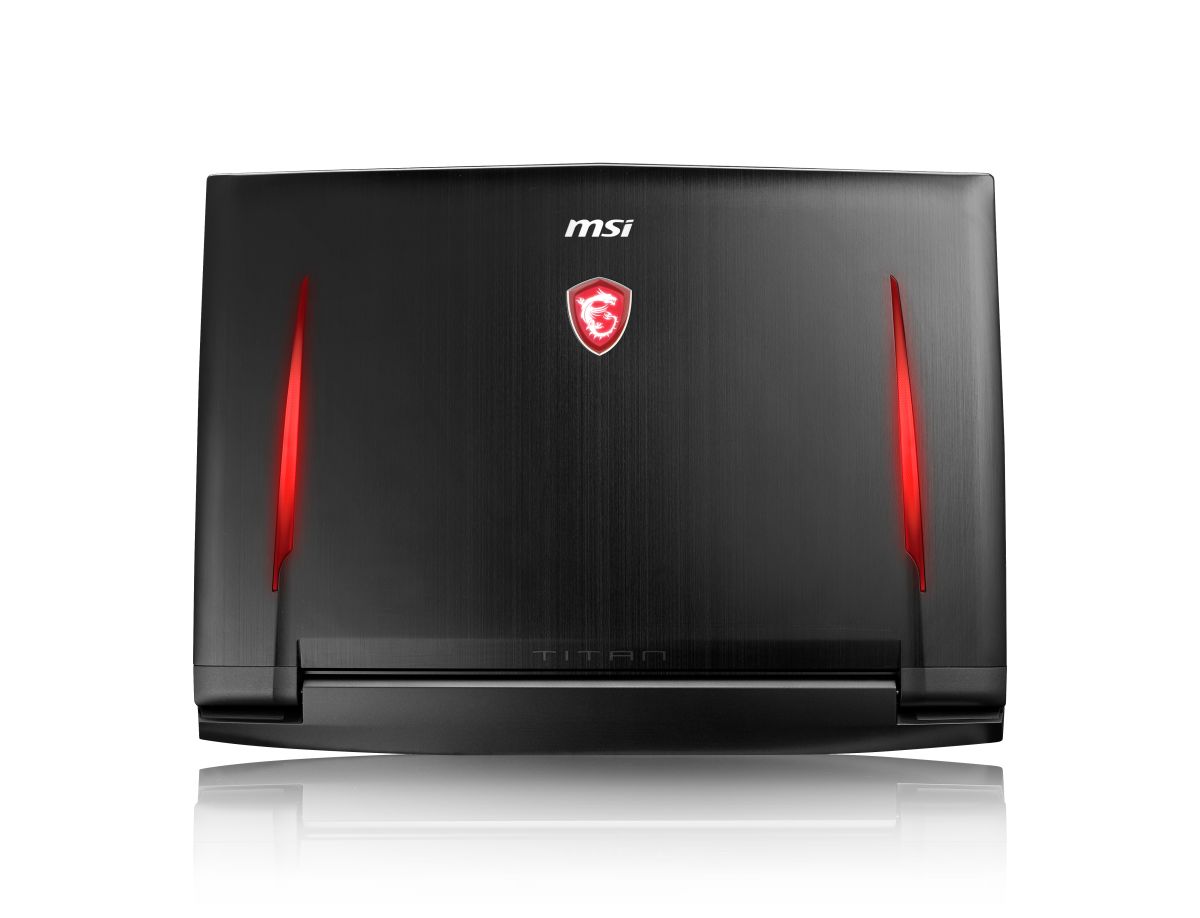
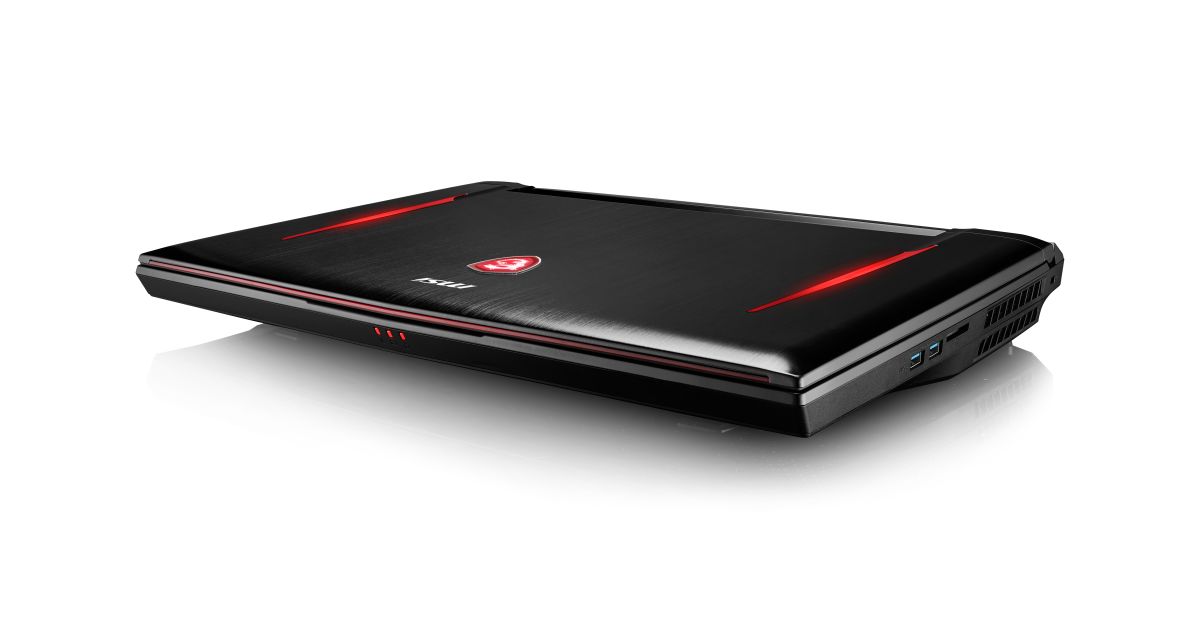


The MSI GT75VR 7RE-238XES Titan gaming laptop features four SO-DIMM memory slots supporting DDR4-SDRAM modules at 2400 MHz frequency. The upgrade specifications indicate a maximum RAM capacity of 64 GB total. Compatible memory upgrades utilize SO-DIMM form factor modules. The GT75VR 7RE-238XES from MSI's GT Gaming series supports memory expansion through its four available slots, allowing users to increase system memory up to the maximum specifications of 64 GB DDR4-SDRAM.
Memory Upgrade Specifications
| Specification | Value |
|---|---|
| Memory slots | 4x SO-DIMM |
| Form factor | SO-DIMM |
| Memory type | DDR4-SDRAM |
| Frequency | 2400 MHz |
| Maximum RAM | 64 GB |
| Voltage | 1.2V |
| Number of pins | 260-pin |
| Interface | PC4 |
| PC Speed Rating | PC4-2400 (PC4-19200) |
| Bandwidth | 19.2 GB/s |
| Laptop Release date | 13 January 2018 |
Additional Notes
- The MSI GT75VR 7RE-238XES Titan chipset architecture supports dual-channel memory configuration, enabling theoretical bandwidth of 38.4 GB/s when paired modules are installed in matching slots.
- The 2400 MHz frequency ceiling indicates compatibility with 7th generation Intel Core processors, which impose hard limits on officially supported memory speeds regardless of module capabilities.
- SO-DIMM modules rated beyond 2400 MHz will downclock automatically to match the system's maximum supported frequency, eliminating performance gains from higher-speed modules.
- The 64 GB maximum capacity requires 4 matched 16 GB modules to achieve full utilization, as asymmetric configurations may trigger single-channel operation and halve available bandwidth.
- Installation requires accessing the bottom chassis panel, where static discharge precautions become critical due to exposed PCB traces near the memory bay.
- Mixing module ranks (single-rank versus dual-rank) across the 4 slots can introduce latency penalties during interleaved memory operations, even when capacities match.
- The DDR4 standard's lower voltage requirement of 1.2V compared to DDR3's 1.5V reduces thermal output in the confined SO-DIMM compartment, but also eliminates compatibility with legacy module types.
- Non-ECC unbuffered modules represent the only supported architecture, as registered or error-correcting variants will fail POST initialization on consumer mobile chipsets.
- Warranty preservation depends on avoiding physical damage to retention clips during module installation, as bent or broken clips constitute user-induced damage in most service agreements.
- CAS latency variations between CL15, CL16, and CL17 modules at 2400 MHz produce negligible real-world impact, as gaming workloads remain bandwidth-bound rather than latency-sensitive.