MSI Gaming GT75VR 7RE-099CZ Titan RAM upgrade specifications

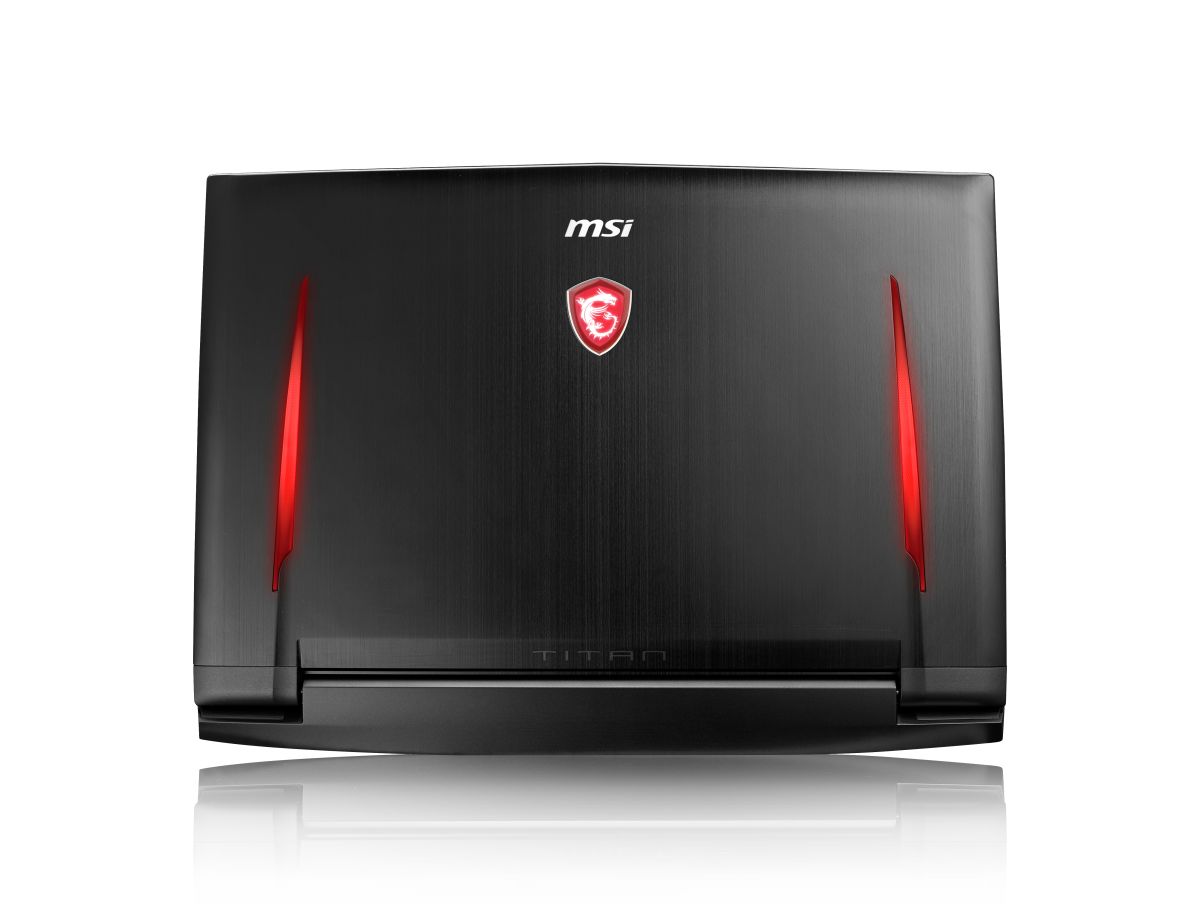
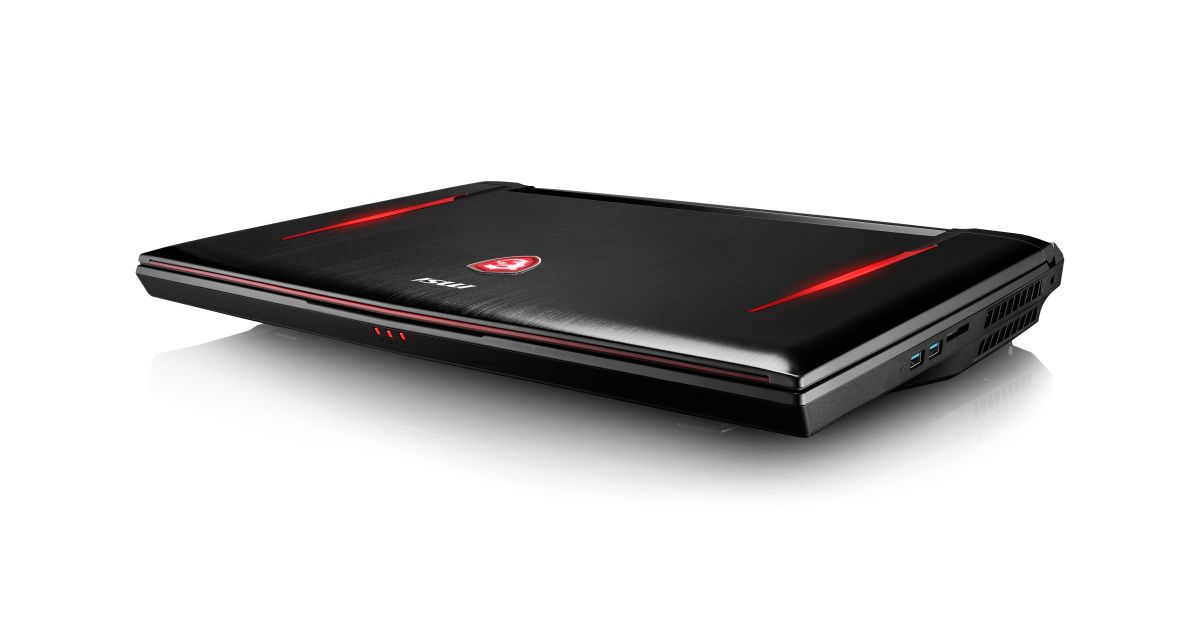


The MSI GT75VR 7RE-099CZ Titan gaming laptop features four SO-DIMM slots for DDR4-SDRAM memory expansion. The upgrade specifications support a maximum capacity of 64 GB total RAM, with compatible modules operating at 2400 MHz frequency. The SO-DIMM form factor allows for modular memory upgrades in the GT series, enabling users to expand the system's memory capacity according to performance requirements. This configuration provides flexibility for memory upgrades within the specified compatible parameters.
Memory Upgrade Specifications
| Specification | Value |
|---|---|
| Memory slots | 4x SO-DIMM |
| Form factor | SO-DIMM |
| Memory type | DDR4-SDRAM |
| Frequency | 2400 MHz |
| Maximum RAM | 64 GB |
| Voltage | 1.2V |
| Number of pins | 260-pin |
| Interface | PC4 |
| PC Speed Rating | PC4-2400 (PC4-19200) |
| Bandwidth | 19.2 GB/s |
| Laptop Release date | 03 May 2018 |
Additional Notes
- The presence of 4 SO-DIMM slots implies a dual-channel architecture where memory modules must be installed in matched pairs to optimize data throughput and prevent bandwidth bottlenecks.
- The MSI GT75VR 7RE-099CZ Titan requires high-density memory modules to reach the 64 GB threshold, meaning each individual slot must support 16 GB components.
- Because the system utilizes the 2400 MHz frequency standard, installing faster modules will result in the hardware automatically downclocking the RAM to match the chipset ceiling.
- Physical access to all 4 memory banks often involves removing the keyboard or secondary internal shields, as these high-performance chassis frequently stack slots on both sides of the motherboard.
- Mixing modules with different latencies or timings will force the entire memory pool to operate at the speed of the slowest installed stick, potentially increasing system latency.
- The 64 GB limit indicates a firmware or processor addressing constraint that prevents the utilization of 32 GB single-stick modules.
- Thermal management remains a factor during full memory occupancy, as 4 active modules generate concentrated heat within the tight confines of the SODIMM area.