MSI Gaming GT75-9SF-251AU RAM upgrade specifications
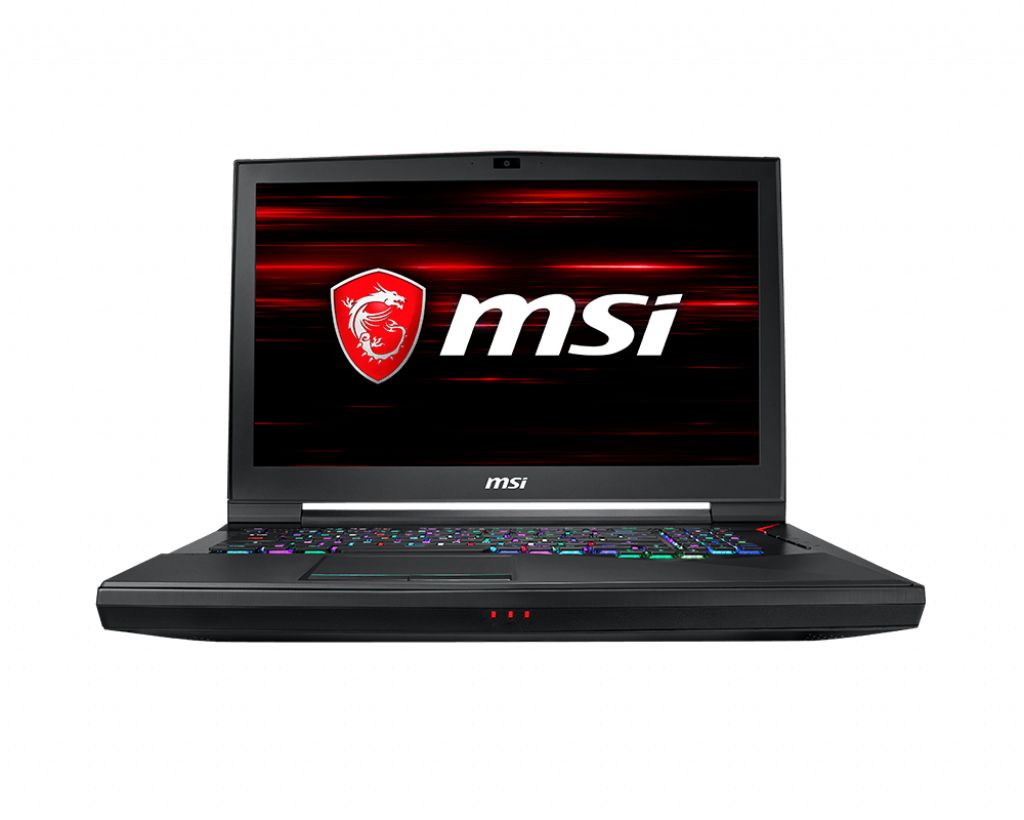
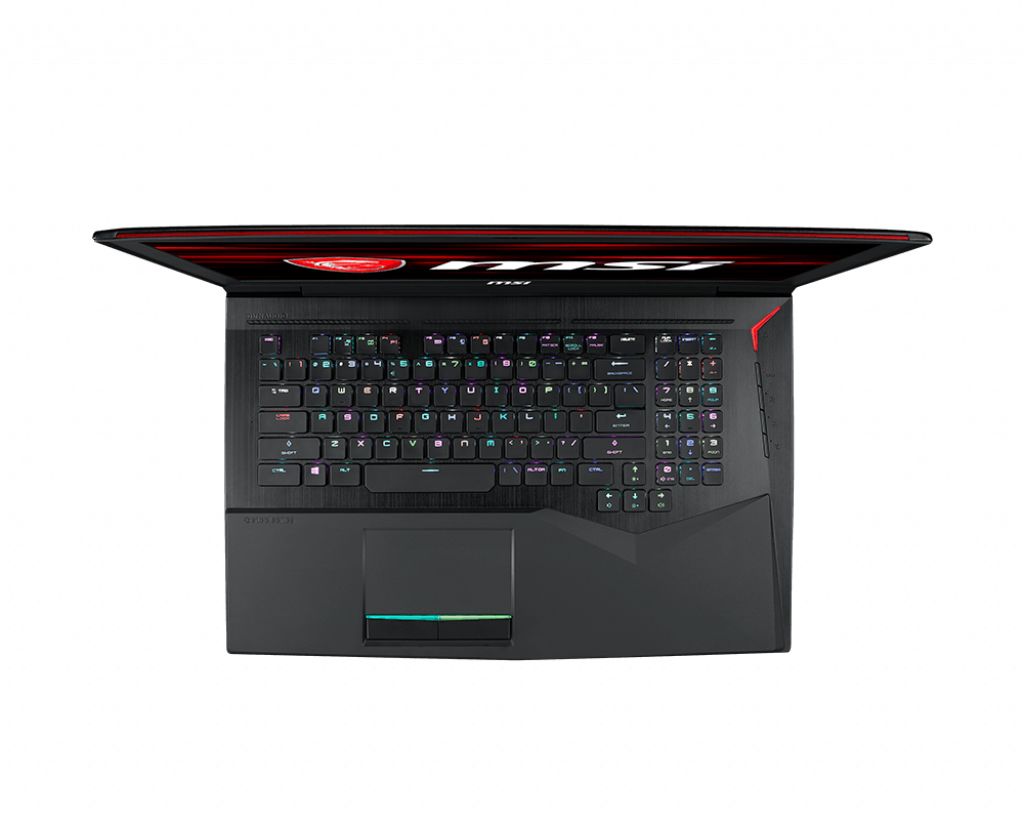
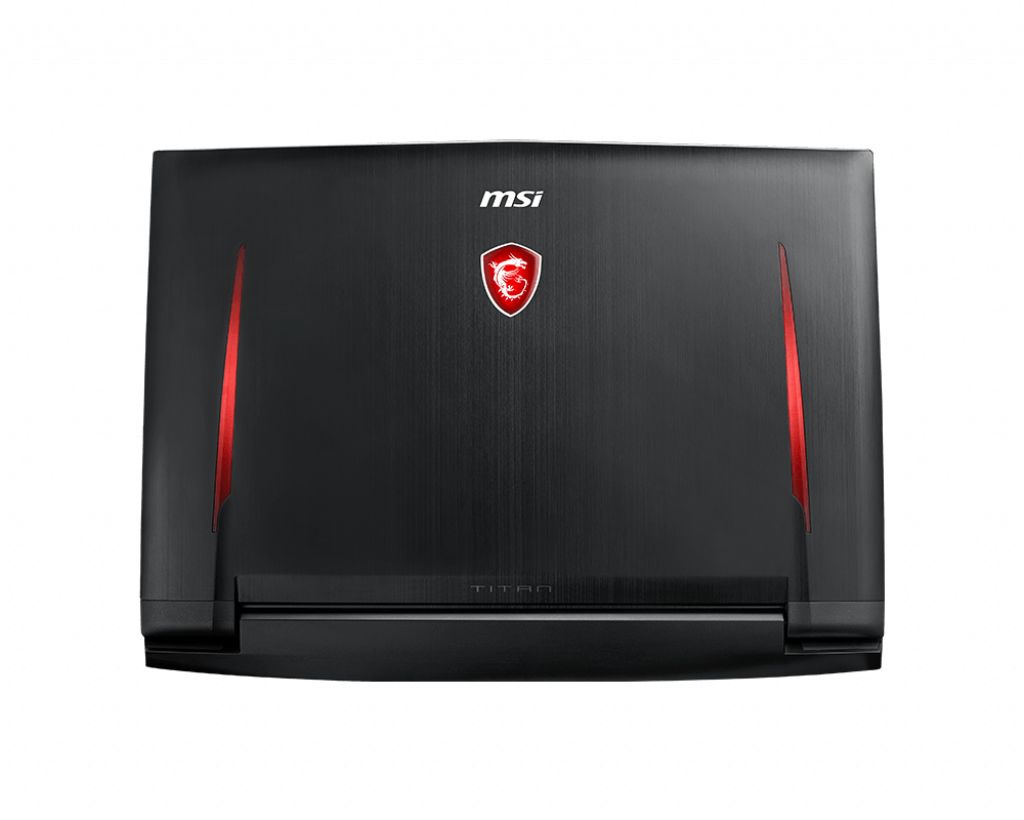
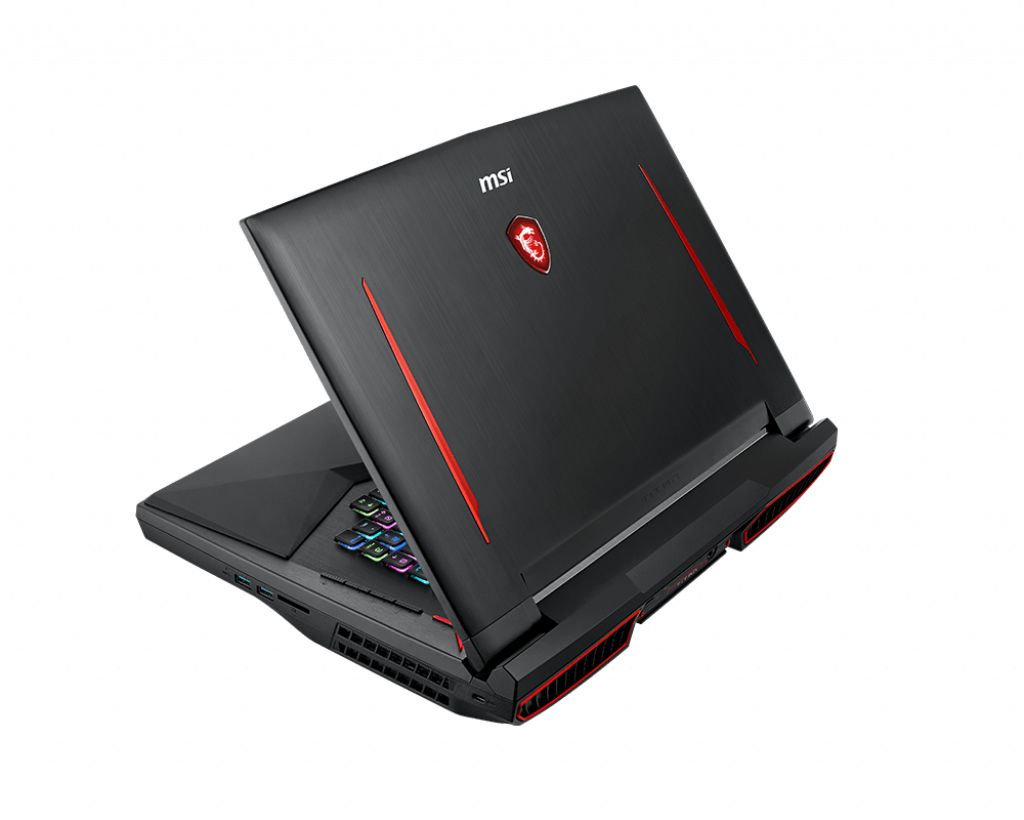
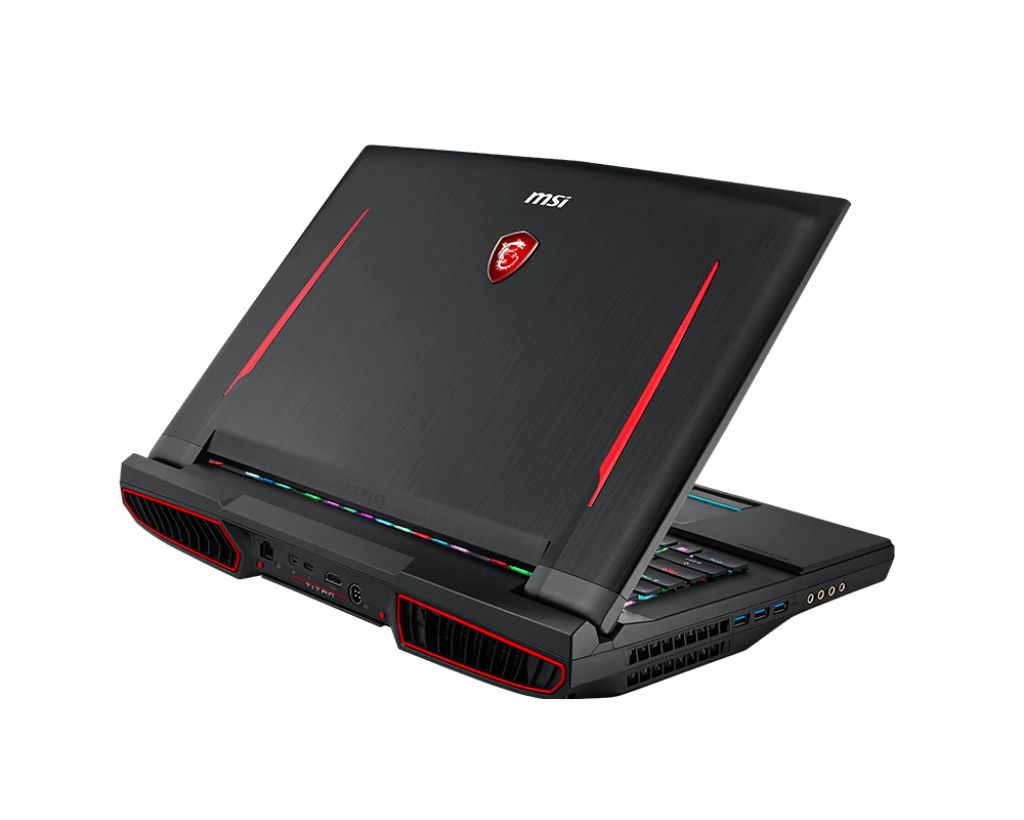
MSI GT75-9SF-251AU gaming laptop memory upgrade specifications indicate DDR4-SDRAM compatibility with 4x SO-DIMM slots supporting maximum RAM capacity of 128 GB. The memory modules operate at 2666 MHz frequency. Compatible upgrade options utilize SO-DIMM form factor specifications. The GT series mobile workstation accommodates dual-channel memory configurations for enhanced performance across the Gaming family platform.
Memory Upgrade Specifications
| Specification | Value |
|---|---|
| Memory slots | 4x SO-DIMM |
| Form factor | SO-DIMM |
| Memory type | DDR4-SDRAM |
| Frequency | 2666 MHz |
| Maximum RAM | 128 GB |
| Voltage | 1.2V |
| Number of pins | 260-pin |
| Interface | PC4 |
| PC Speed Rating | PC4-2666 (PC4-21328) |
| Bandwidth | 21.3 GB/s |
| Laptop Release date | 07 May 2019 |
Additional Notes
- The 128 GB ceiling requires 32 GB modules in all 4 slots, which limits future incremental upgrades once that threshold is approached.
- DDR4-2666 operates below the peak speeds available in DDR4 technology, creating a potential mismatch if higher-frequency modules are installed, as they will downclock to match the system limit.
- SO-DIMM form factor indicates laptop-standard memory modules, which typically cost more per gigabyte than desktop equivalents and offer fewer vendor options at maximum capacities.
- Four-slot configuration allows balanced dual-channel or quad-channel population, though improper pairing across channels may reduce effective bandwidth.
- The MSI GT75-9SF-251AU accepts non-ECC unbuffered modules exclusively, as ECC or registered memory remains incompatible with consumer-grade chipsets in this class.
- Mixing modules with different latencies or voltages may force the system to adopt the slowest common timing profile, degrading performance below rated specifications.
- Accessing memory slots in this chassis typically requires bottom panel removal and possibly thermal shield disassembly, complicating field upgrades compared to single-access designs.
- Operating at 2666 MHz with full population may increase thermal output within the confined laptop chassis, potentially triggering throttling if ambient cooling is insufficient.
- Warranty preservation depends on using JEDEC-standard modules rather than XMP-profiled kits, as overclocking features may not function or could void coverage.
- Single-rank versus dual-rank module architecture affects interleaving efficiency, with quad-channel systems showing measurable performance variance between configurations at identical capacities.