MSI Modern 15 A11M-098CA RAM upgrade specifications
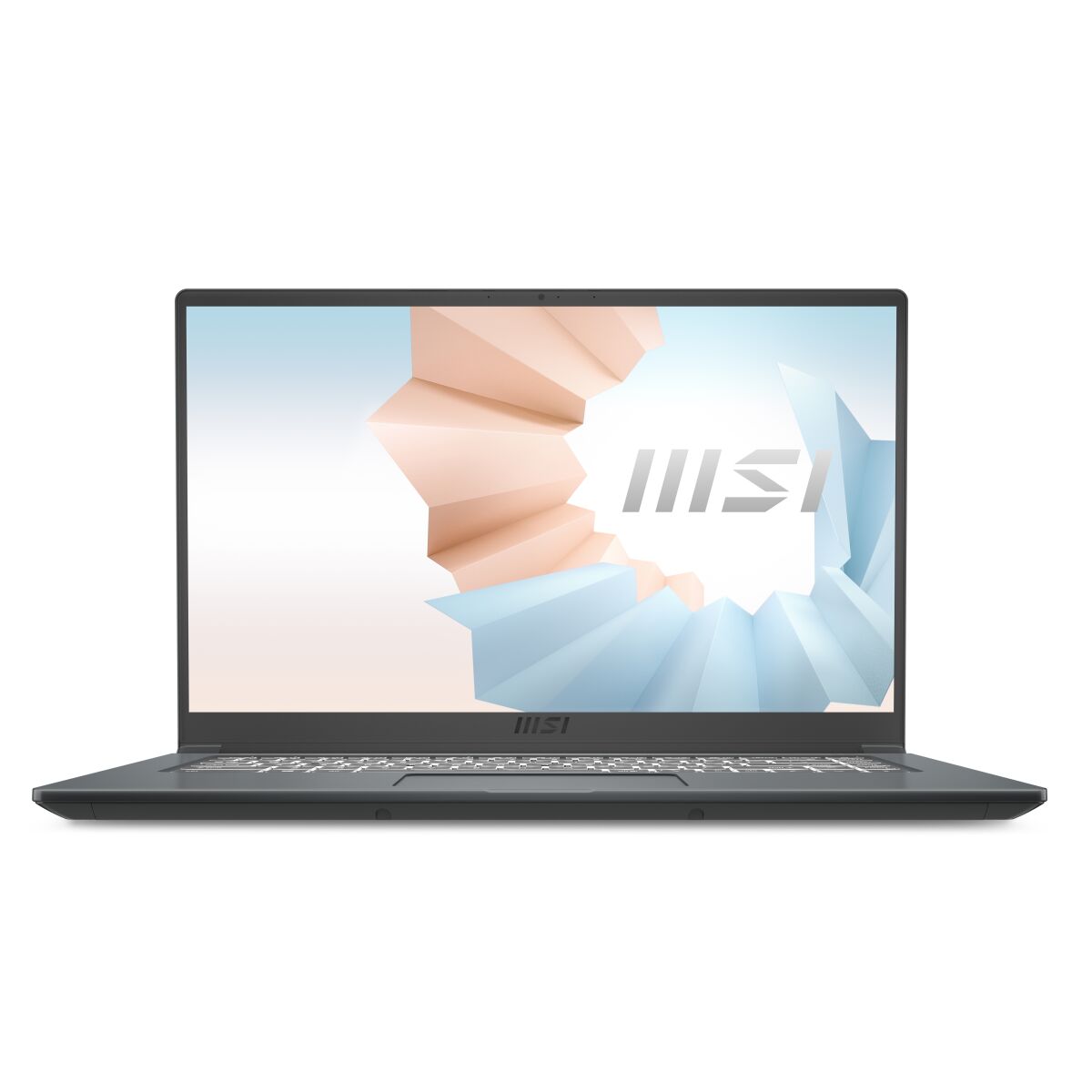
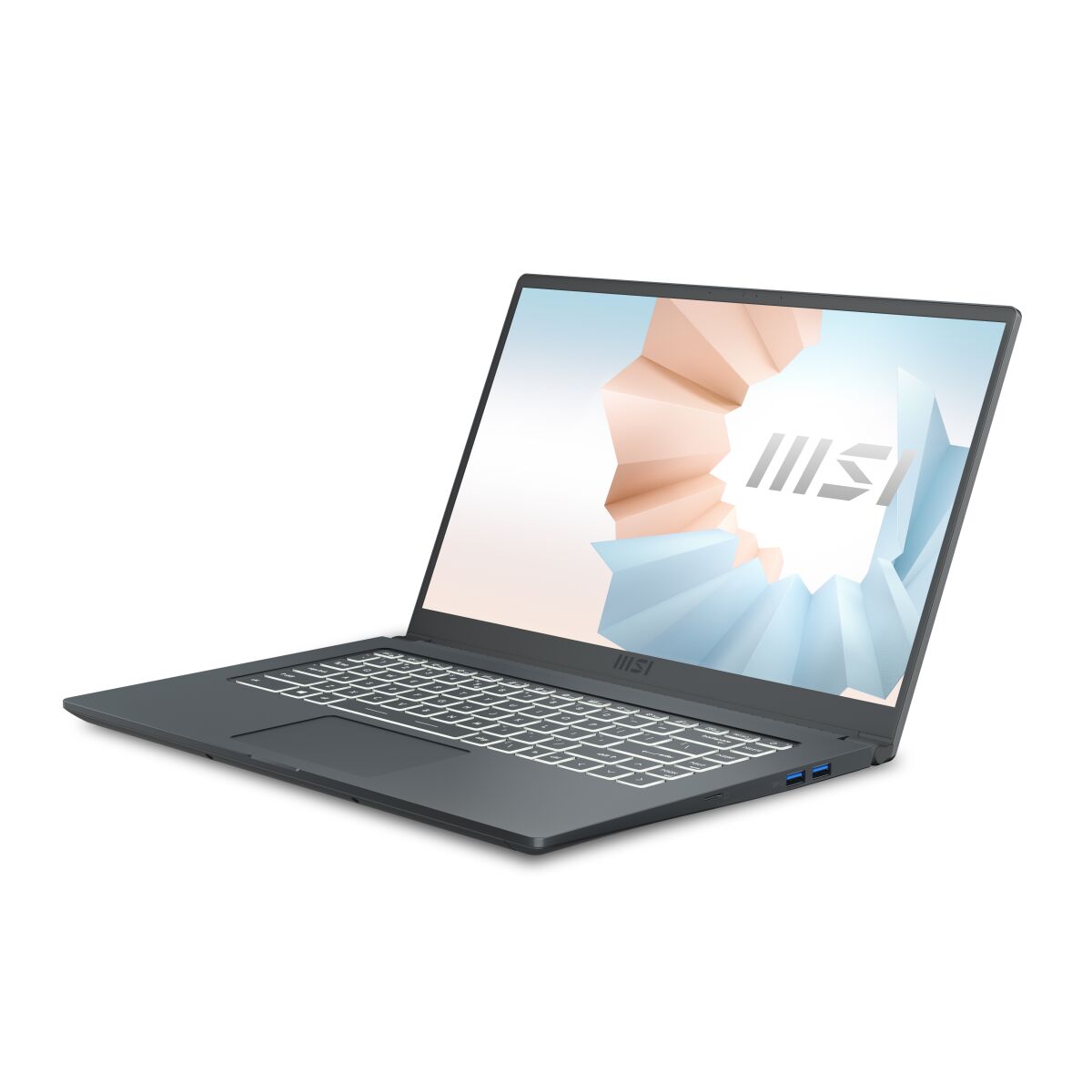
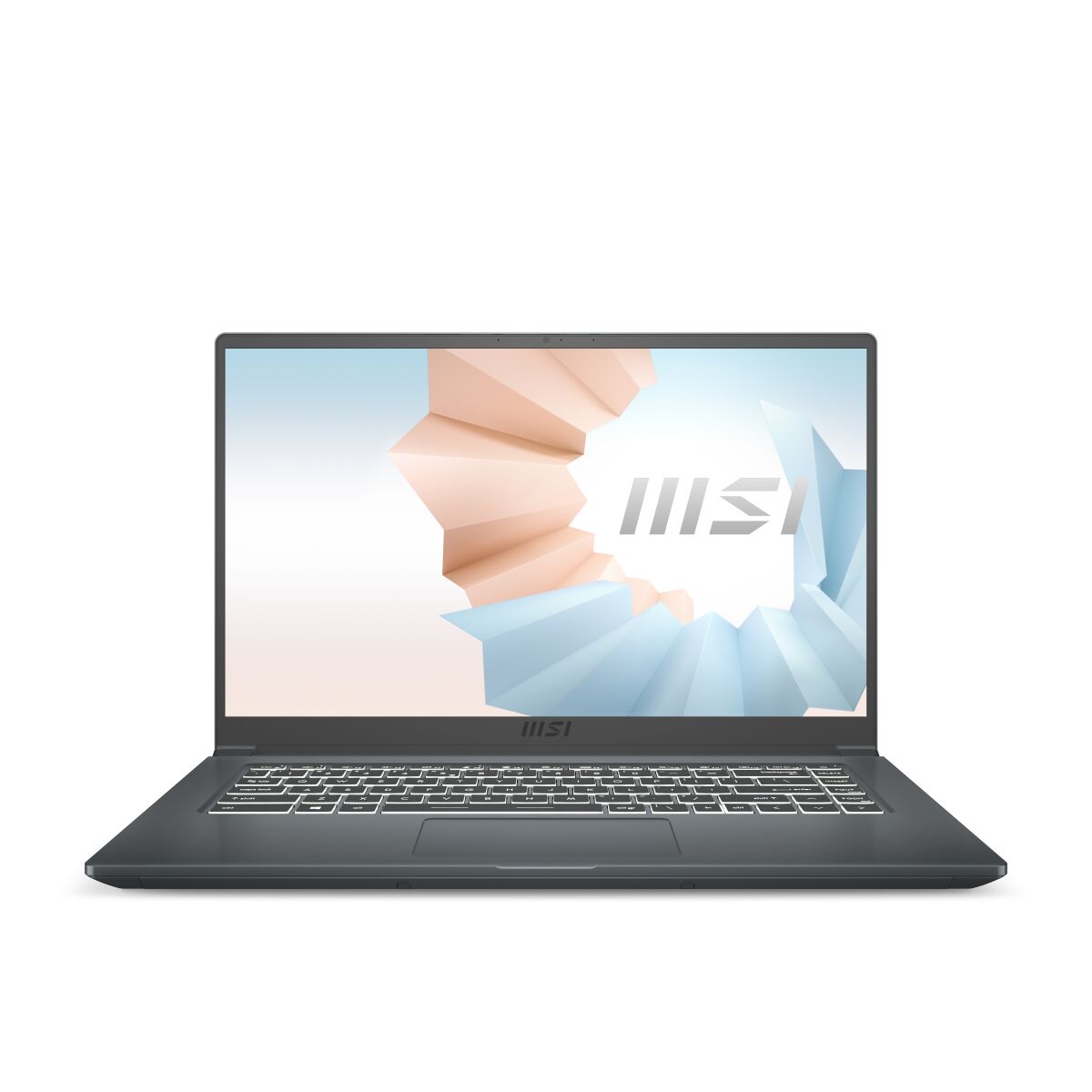
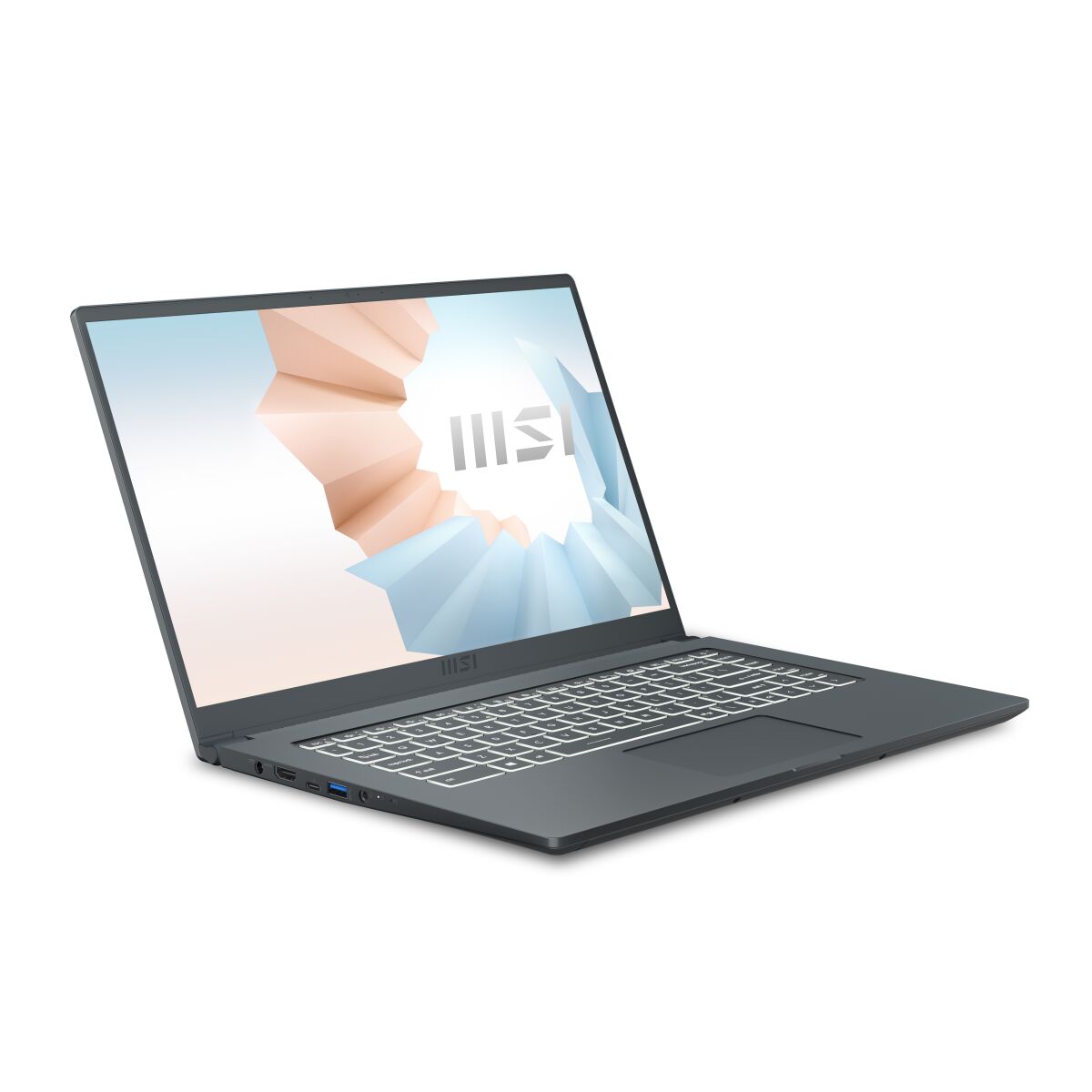
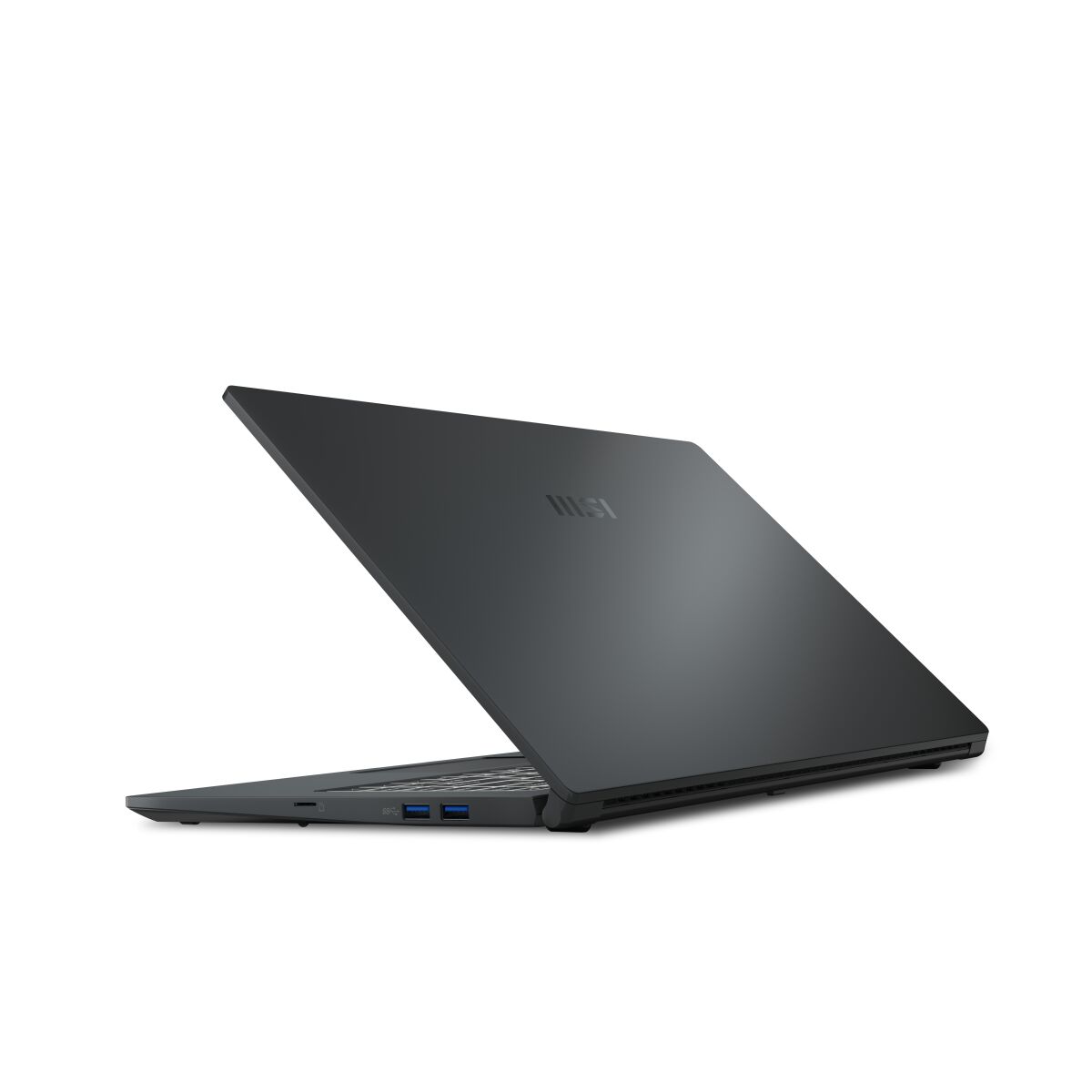
MSI Modern 15 A11M-098CA laptop RAM upgrade specifications detail DDR4-SDRAM memory compatibility with 2x SO-DIMM slots supporting maximum capacity of 64 GB. The upgrade specifications indicate SO-DIMM form factor modules operating at 3200 MHz frequency. Compatible memory upgrades for this MSI model enable expansion beyond factory-installed RAM to reach maximum supported capacity of 64 GB total memory, providing specifications for users planning RAM upgrade operations on the Modern 15 A11M-098CA.
Memory Upgrade Specifications
| Specification | Value |
|---|---|
| Memory slots | 2x SO-DIMM |
| Form factor | SO-DIMM |
| Memory type | DDR4-SDRAM |
| Frequency | 3200 MHz |
| Maximum RAM | 64 GB |
| Voltage | 1.2V |
| Number of pins | 260-pin |
| Interface | PC4 |
| PC Speed Rating | PC4-3200 (PC4-25600) |
| Bandwidth | 25.6 GB/s |
| Laptop Release date | 13 December 2020 |
Additional Notes
- The MSI Modern 15 A11M-098CA supports dual-channel memory architecture through its 2 SO-DIMM slots, enabling up to twice the theoretical bandwidth compared to single-channel configurations when populated with matched pairs.
- DDR4-3200 operates at 1.2V compared to older DDR3's 1.5V, reducing thermal output and power consumption during extended computing sessions.
- The 64 GB maximum capacity requires two 32 GB modules, which may have higher latency timings than lower-density alternatives despite identical frequency ratings.
- SO-DIMM modules measure 67.6 mm in length versus desktop DIMM's 133.35 mm, making standard desktop memory physically incompatible regardless of specification matching.
- 3200 MHz represents the supported JEDEC standard speed, though the system may default to 2933 MHz or 2666 MHz unless XMP profiles are enabled in BIOS settings.
- Accessing memory slots typically requires bottom panel removal, potentially voiding manufacturer warranty if security seals are broken during user installation.
- Mixed module capacities across the two slots will function but force the system into flex mode, creating asymmetric channel operation that may reduce peak throughput.
- DDR4-3200 delivers 25.6 GB/s theoretical bandwidth per channel, totaling 51.2 GB/s in dual-channel mode when both slots contain matched specifications.
- Non-matching CAS latency values between modules can cause the memory controller to default both modules to the higher latency timing, degrading response times.
- Upgrading beyond 16 GB total capacity may provide minimal performance gains for typical productivity tasks due to application memory management limitations rather than hardware constraints.