MSI Modern 15 A11M-201CA RAM upgrade specifications
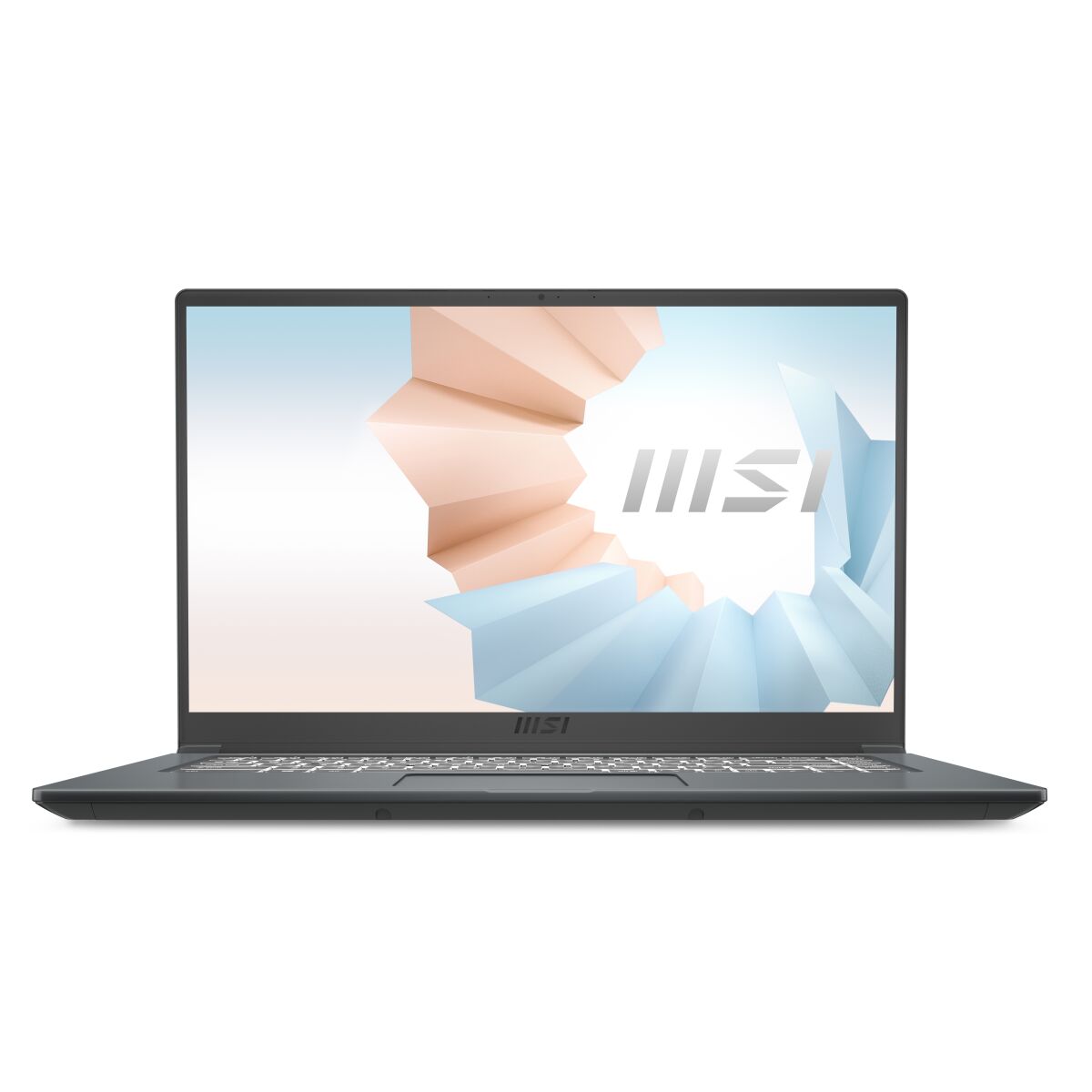
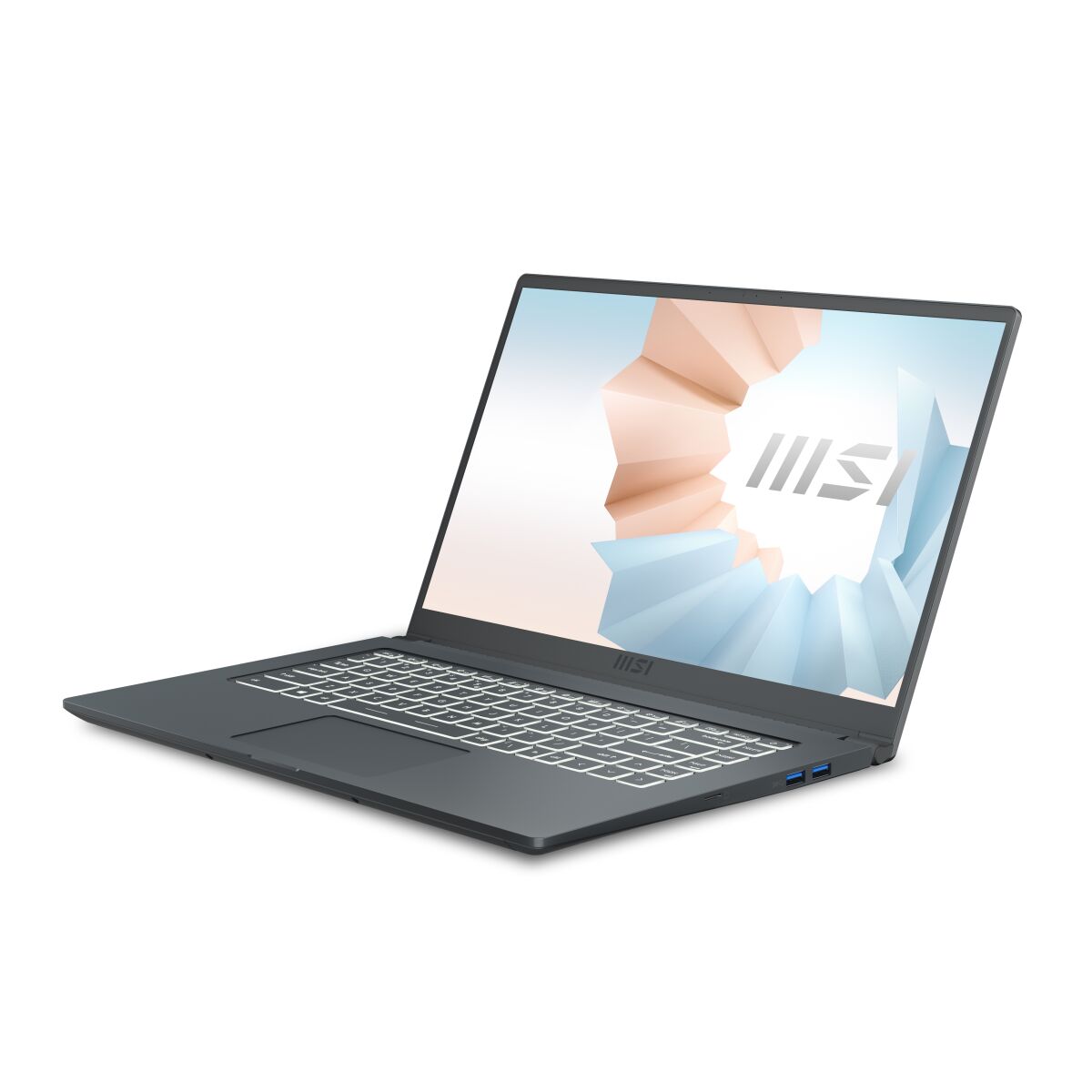
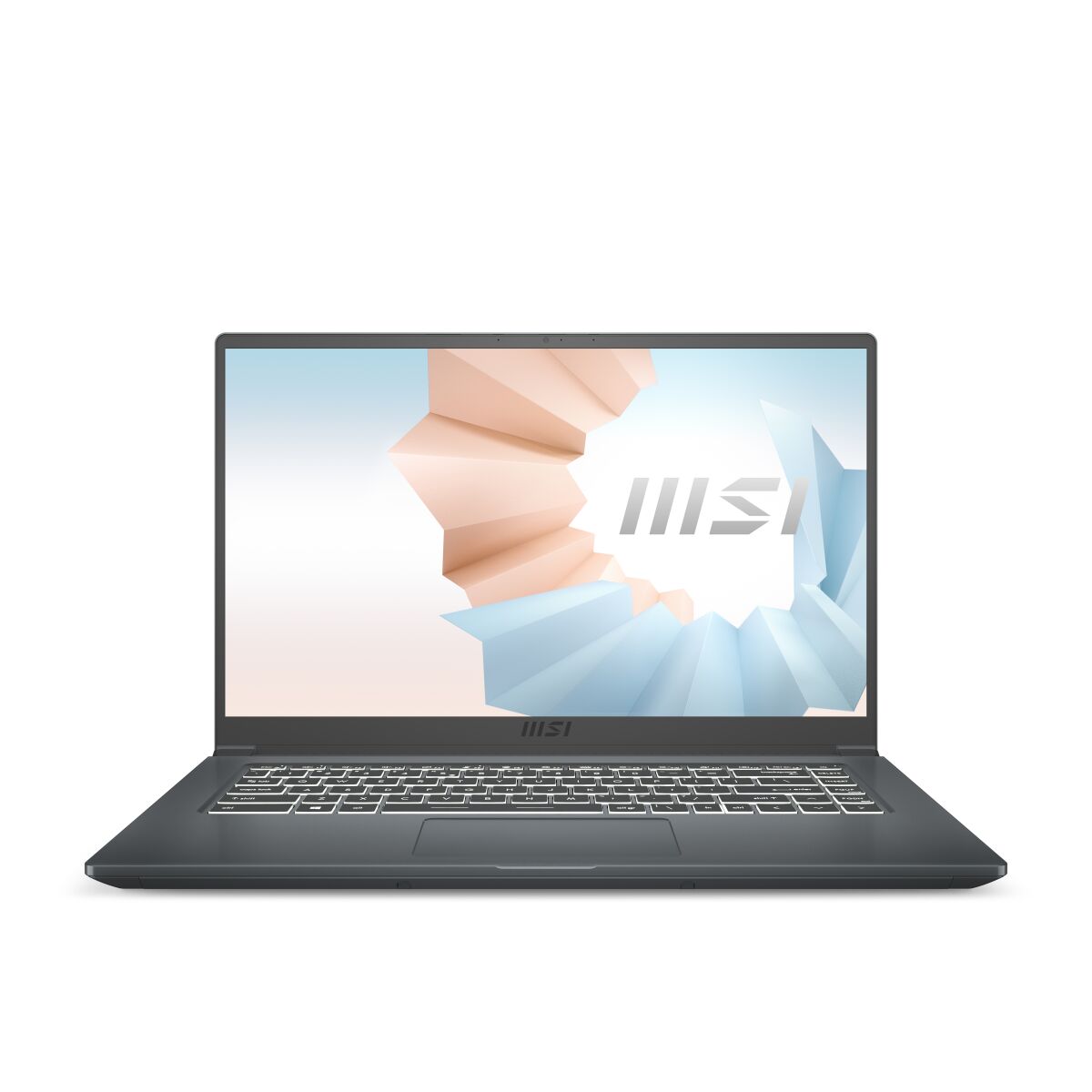
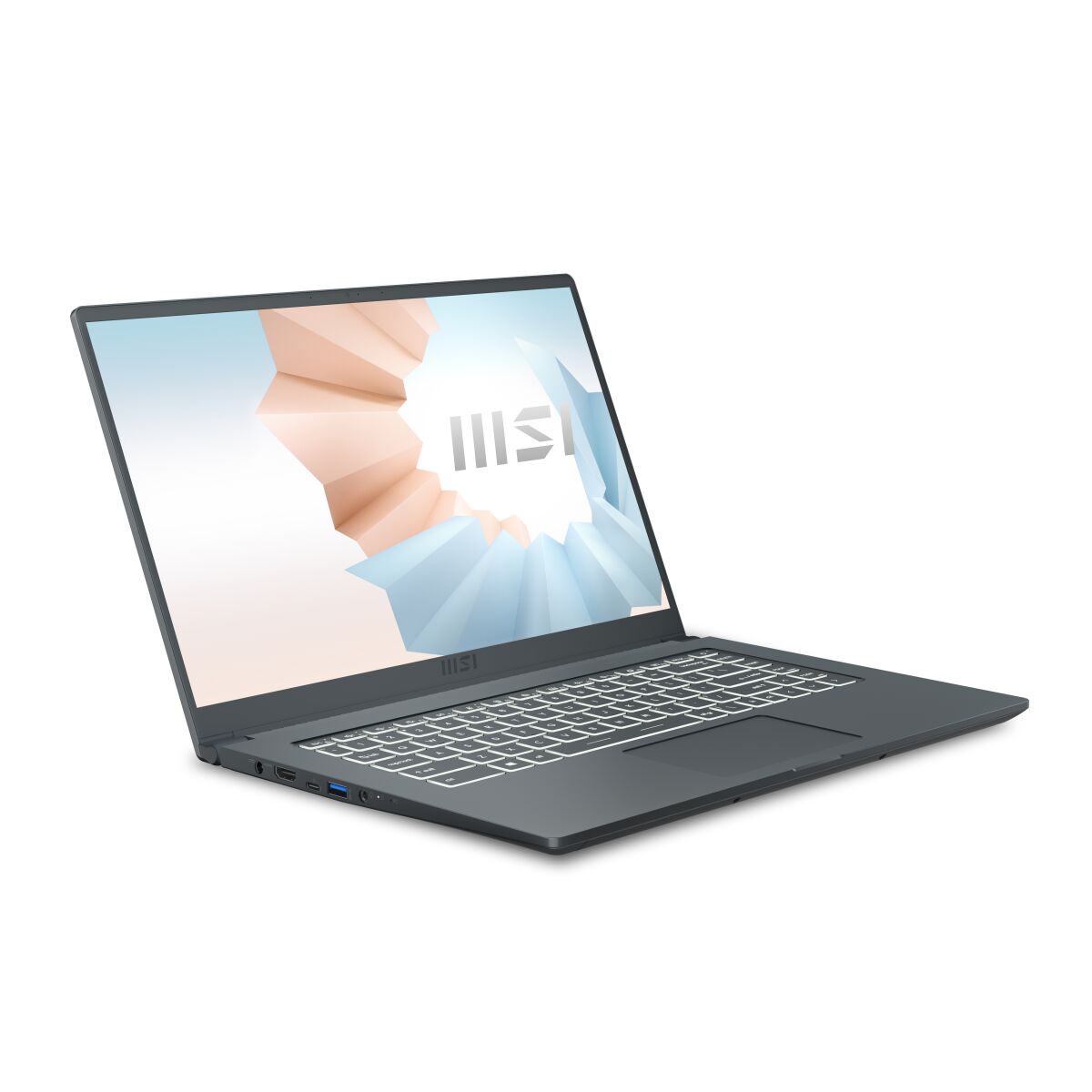
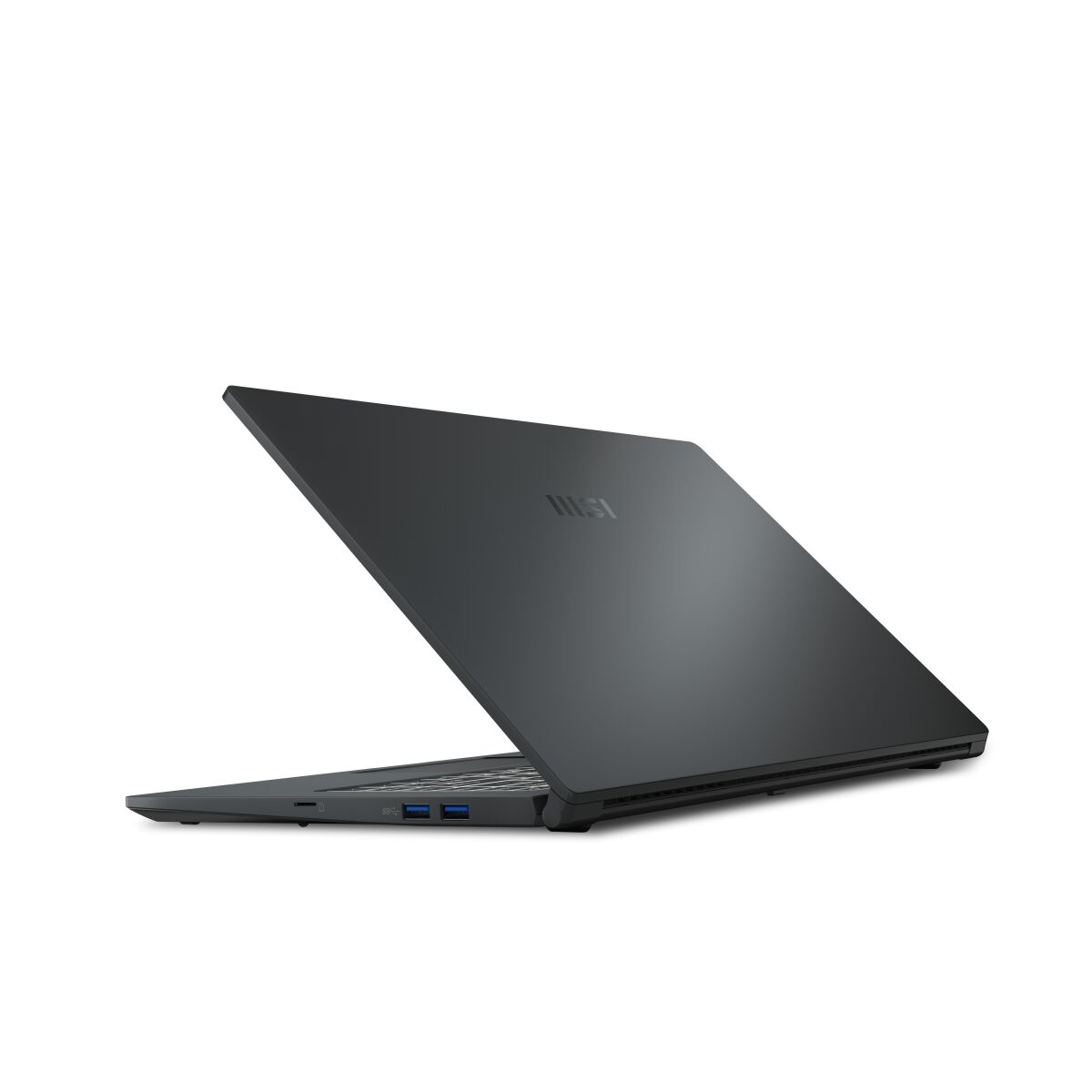
MSI 15 A11M-201CA laptop memory upgrade specifications include DDR4-SDRAM compatible modules installed in 2x SO-DIMM slots. Maximum RAM capacity reaches 64 GB total with SO-DIMM form factor modules operating at 3200 MHz frequency. MSI Modern 15 series supports memory upgrades through accessible dual slots, enabling users to expand system memory for enhanced multitasking performance and application responsiveness.
Memory Upgrade Specifications
| Specification | Value |
|---|---|
| Memory slots | 2x SO-DIMM |
| Form factor | SO-DIMM |
| Memory type | DDR4-SDRAM |
| Frequency | 3200 MHz |
| Maximum RAM | 64 GB |
| Voltage | 1.2V |
| Number of pins | 260-pin |
| Interface | PC4 |
| PC Speed Rating | PC4-3200 (PC4-25600) |
| Bandwidth | 25.6 GB/s |
| Laptop Release date | 13 December 2020 |
Additional Notes
- The MSI Modern 15 A11M-201CA supports DDR4-3200 memory, which means third-party SO-DIMM modules must match this frequency specification to avoid operating at reduced speeds or triggering BIOS compatibility issues.
- With 2 SO-DIMM slots and a 64 GB maximum capacity, the system can accommodate dual 32 GB modules, though single-slot configurations will forfeit dual-channel bandwidth benefits and reduce memory throughput by approximately 50 percent.
- SO-DIMM modules occupy limited physical space beneath the keyboard deck; installation requires careful handling to avoid contact with adjacent components, and the low profile constraint eliminates options for heat-spreader equipped memory variants.
- Upgrading beyond the factory configuration requires matching the existing module's speed rating; mixing DDR4-3200 with slower DDR4 variants will throttle the entire memory subsystem to the slowest module's frequency.
- Memory upgrades on this model typically fall within manufacturer-backed territory when using standard SO-DIMM modules from recognized vendors; proprietary memory configurations are not a factor in this system architecture.
- The 2-slot configuration creates a scaling ceiling; users cannot expand capacity incrementally beyond 64 GB total, making initial upgrade decisions toward the upper capacity limit a more cost-effective long-term strategy than conservative first upgrades.