MSI Stealth 14Studio RAM upgrade specifications
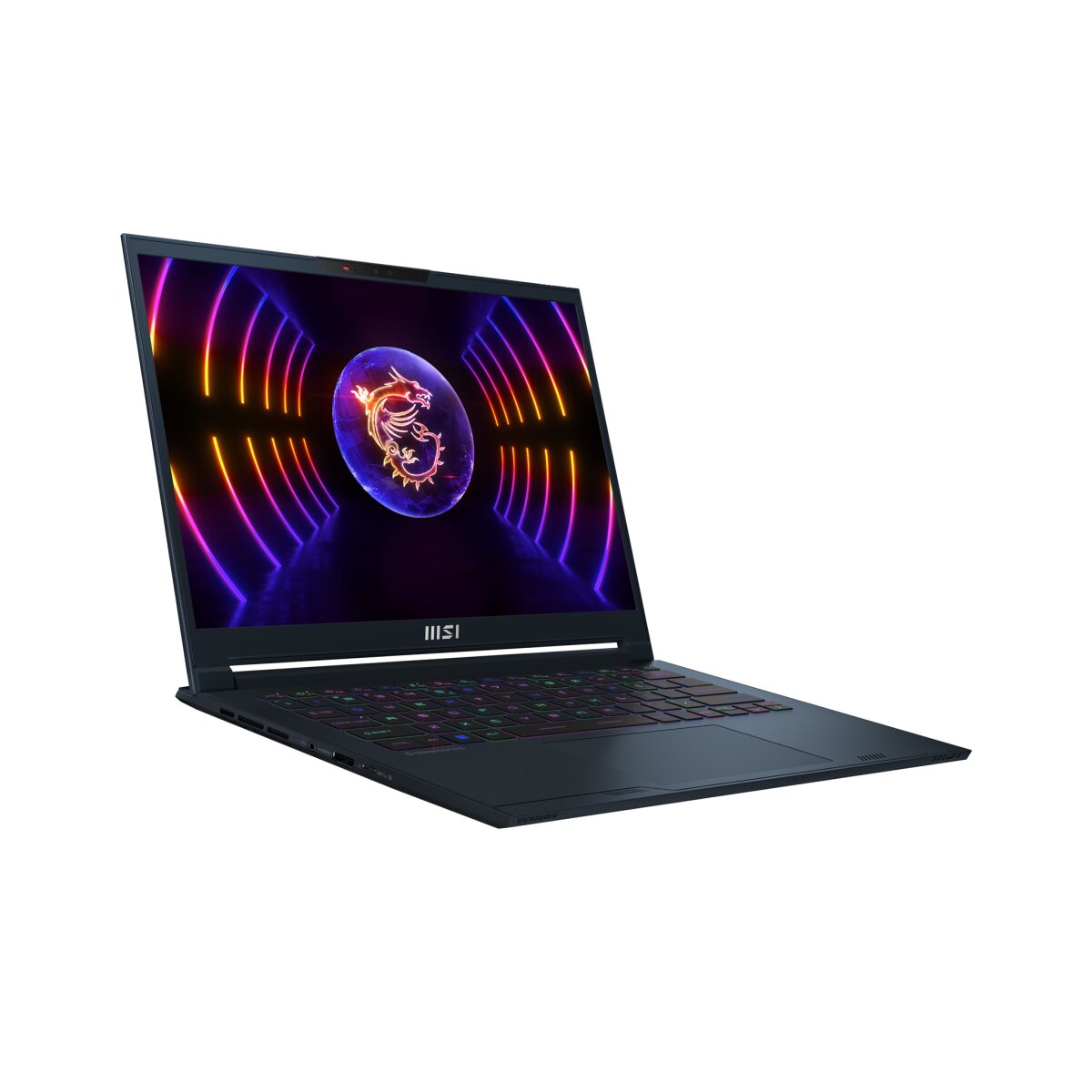



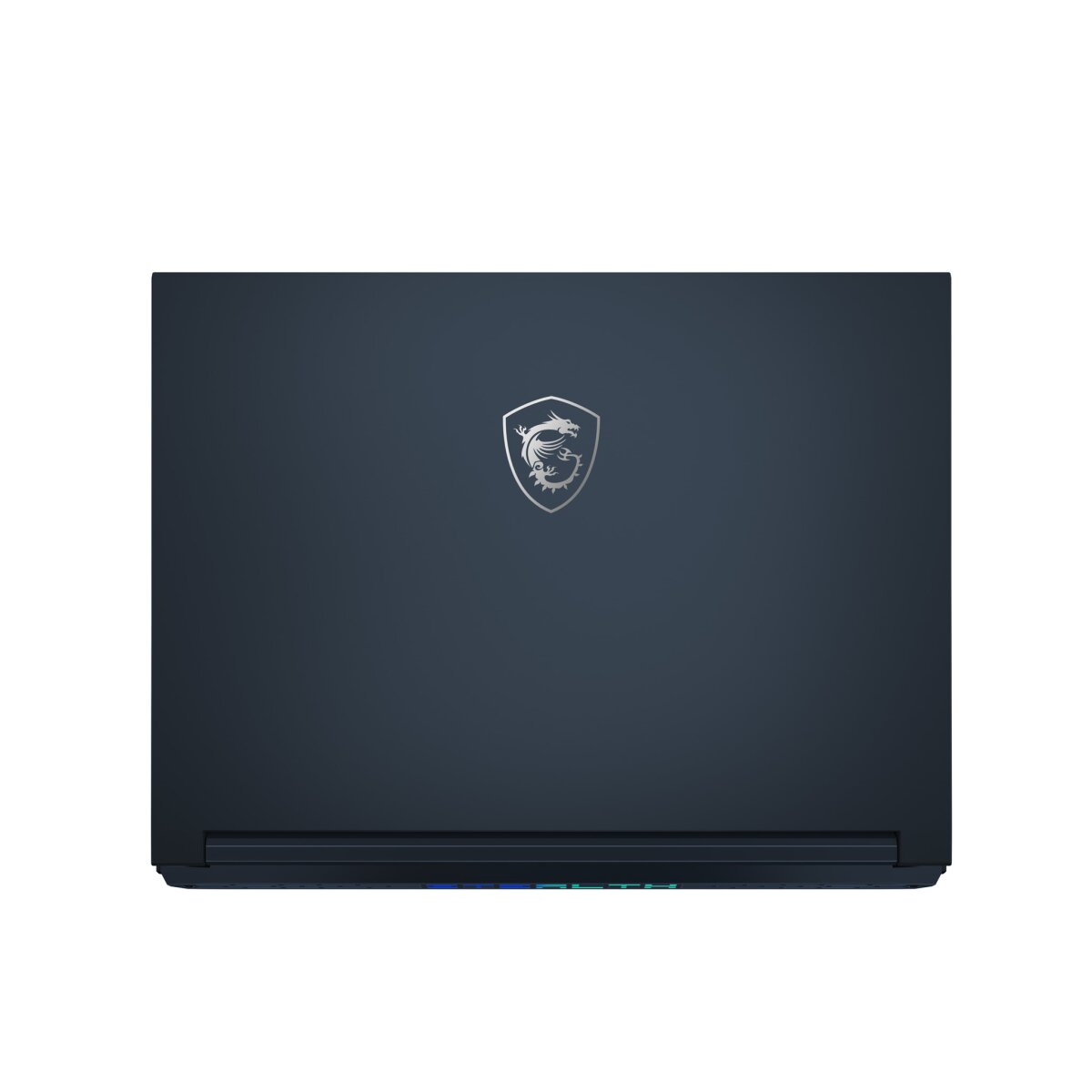
MSI Stealth 14 Studio laptop memory upgrade specifications detail DDR5-SDRAM compatibility with two SO-DIMM slots supporting maximum capacity of 64 GB. RAM upgrade path accommodates DDR5-SDRAM modules operating at 5200 MHz frequency. Compatible memory modules utilize SO-DIMM form factor. Maximum RAM capacity specifications indicate support for high-bandwidth memory configurations. Memory slots enable dual-channel upgrade options for enhanced system performance. Specifications confirm DDR5-SDRAM technology compatibility for MSI 14 Studio series.
Memory Upgrade Specifications
| Specification | Value |
|---|---|
| Memory slots | 2x SO-DIMM |
| Form factor | SO-DIMM |
| Memory type | DDR5-SDRAM |
| Frequency | 5200 MHz |
| Maximum RAM | 64 GB |
| Voltage | 1.1V |
| Number of pins | 262-pin |
| Interface | PC5 |
| PC Speed Rating | PC5-5200 (PC5-41600) |
| Bandwidth | 41.6 GB/s |
| Laptop Release date | 10 May 2024 |
Additional Notes
- Dual channel architecture provides significant bandwidth advantages for memory intensive creative tasks when both slots contain identical modules.
- The MSI Stealth 14Studio utilizes a removable module design rather than soldered components which allows for total memory replacement if hardware failure occurs outside of the standard coverage period.
- Installation of aftermarket modules exceeding 5200 MHz will result in automatic downclocking to the system bus limit regardless of the rated speed on the memory sticker.
- Reaching the 64 GB threshold requires the removal of all factory installed hardware because no additional unoccupied expansion bays exist.
- High density DDR5 modules generate localized heat within the compact chassis during sustained renders which may trigger thermal throttling under specific voltage profiles.
- Latency performance depends on matching the CAS latency values of both sticks to avoid system instability or boot failures during POST cycles.
- The transition to the maximum capacity utilizes 32 GB individual units which necessitates a BIOS verification to ensure the firmware supports the specific integrated circuit density of the new chips.