MSI Stealth A13VE-006FR RAM upgrade specifications
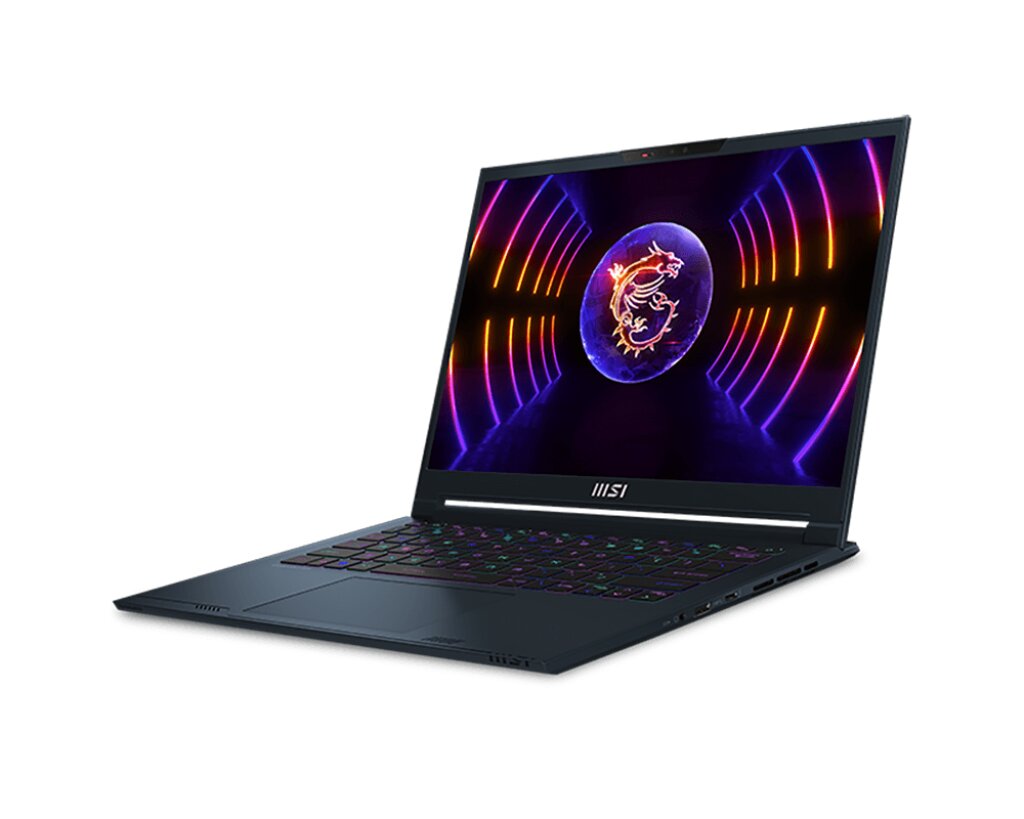
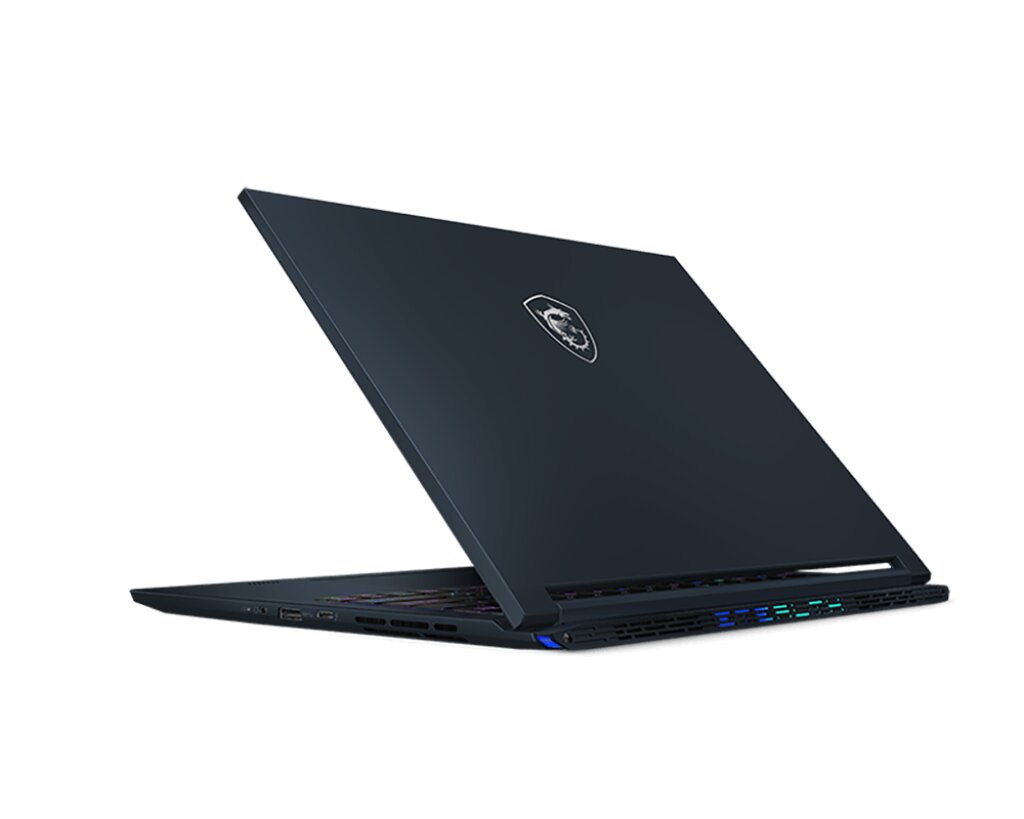
The MSI Stealth 14 Studio series model A13VE-006FR features DDR5-SDRAM memory upgrade capabilities with 2x SO-DIMM slots. Maximum supported RAM capacity reaches 64 GB total. Compatible memory modules operate at 5200 MHz frequency using the SO-DIMM form factor. Specifications indicate upgrade configurations supporting dual-channel memory architecture for enhanced system performance.
Memory Upgrade Specifications
| Specification | Value |
|---|---|
| Memory slots | 2x SO-DIMM |
| Form factor | SO-DIMM |
| Memory type | DDR5-SDRAM |
| Frequency | 5200 MHz |
| Maximum RAM | 64 GB |
| Voltage | 1.1V |
| Number of pins | 262-pin |
| Interface | PC5 |
| PC Speed Rating | PC5-5200 (PC5-41600) |
| Bandwidth | 41.6 GB/s |
| Laptop Release date | 10 February 2023 |
Additional Notes
- The 5200 MHz frequency specification represents the baseline JEDEC standard for DDR5, ensuring broad compatibility with modules from different manufacturers without requiring XMP profile activation.
- DDR5 operates with dual-channel architecture per module, effectively providing quad-channel bandwidth when both SO-DIMM slots are populated, benefiting memory-intensive applications and integrated graphics performance.
- The 64 GB maximum capacity constraint is typically enforced by the memory controller rather than physical slot limitations, requiring verification of specific density support before purchasing 32 GB modules.
- DDR5 SO-DIMM modules require 1.1V operating voltage, which differs from DDR4's 1.2V standard, making cross-generation compatibility physically and electrically impossible despite identical SO-DIMM form factors.
- The MSI Stealth A13VE-006FR implements on-die ECC within DDR5 specification, providing error correction at the DRAM level independent of operating system or controller support.
- Installing mismatched module capacities across the 2 slots will maintain functionality but may disable performance features like Flex Mode, potentially limiting bandwidth optimization.
- Accessing SO-DIMM slots in this chassis configuration requires bottom panel removal, which may void warranty seals depending on regional consumer protection regulations.
- Mixing modules with different latency timings will force both modules to operate at the slower timing profile, potentially negating the performance benefits of premium-binned memory kits.
- The absence of RGB lighting support in SO-DIMM specifications eliminates aesthetic customization options available in desktop DIMM configurations.
- Thermal considerations become critical when maximizing capacity, as 2x32 GB configurations generate more heat than lower-density modules, potentially requiring sustained fan activity under load.