MSI Workstation WS75 10TL-463 RAM upgrade specifications
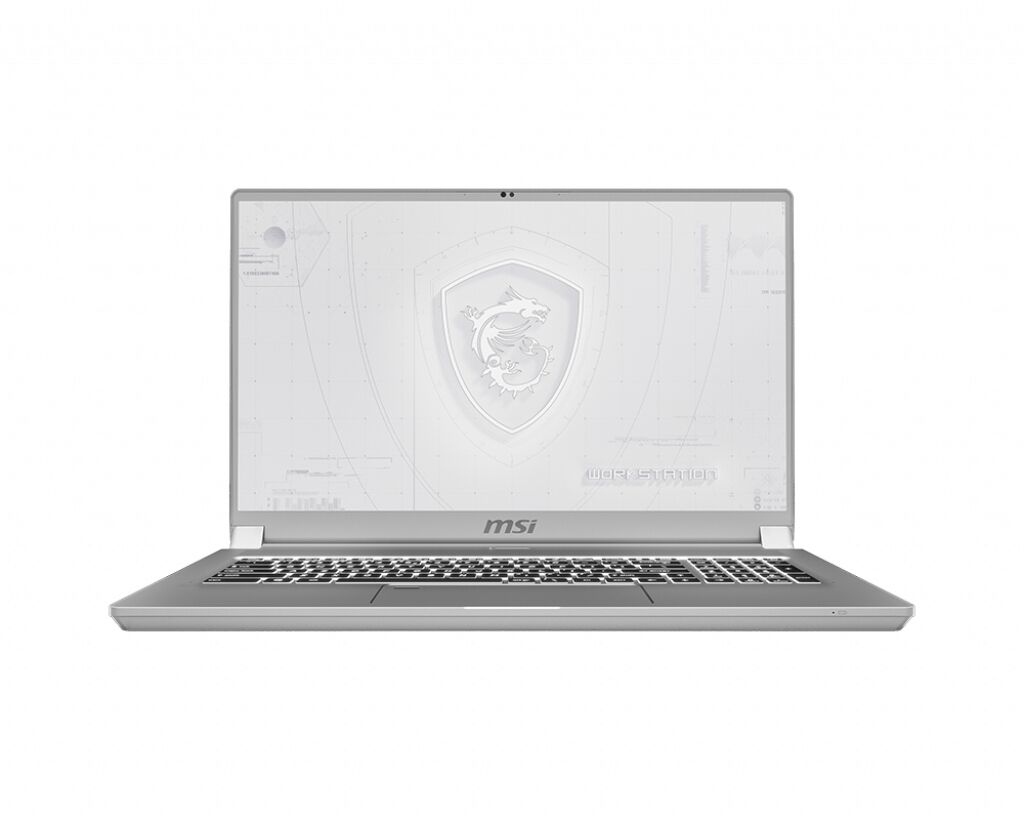
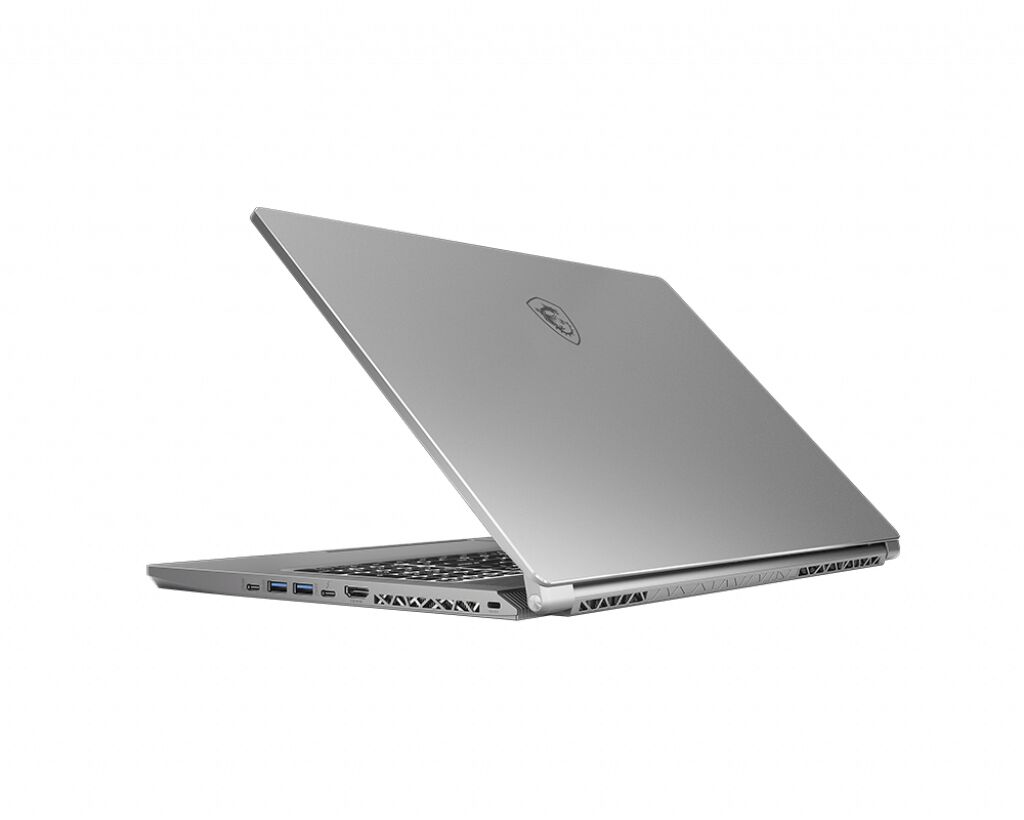
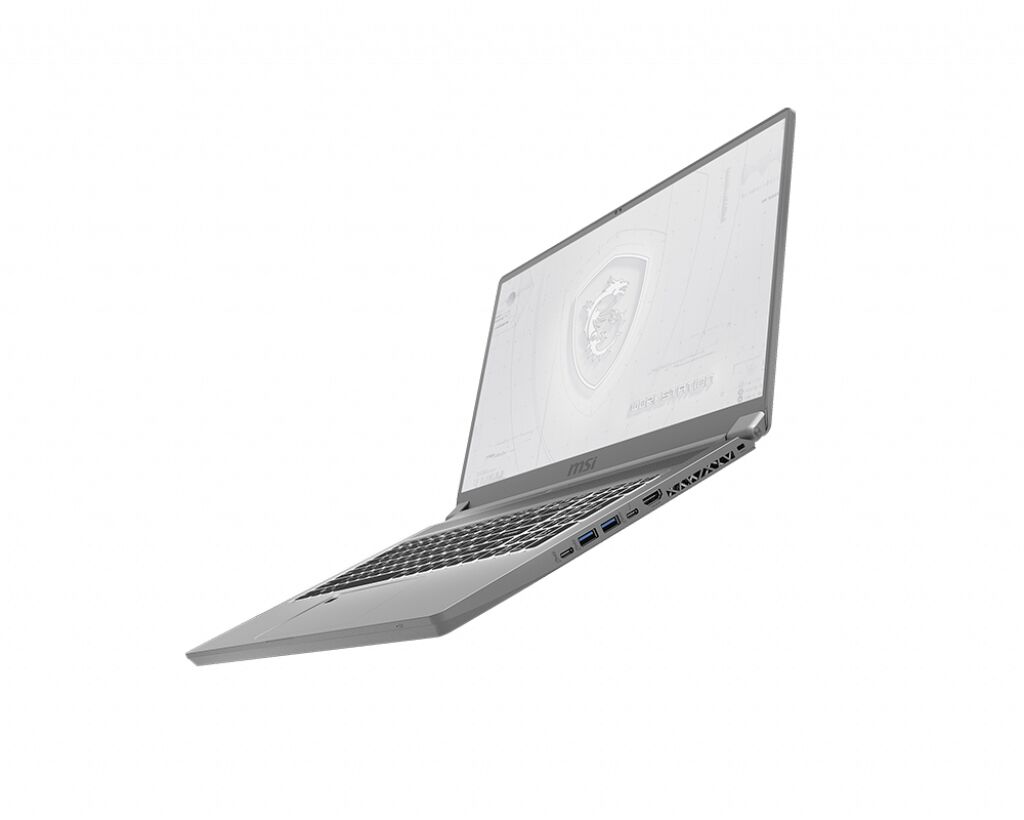
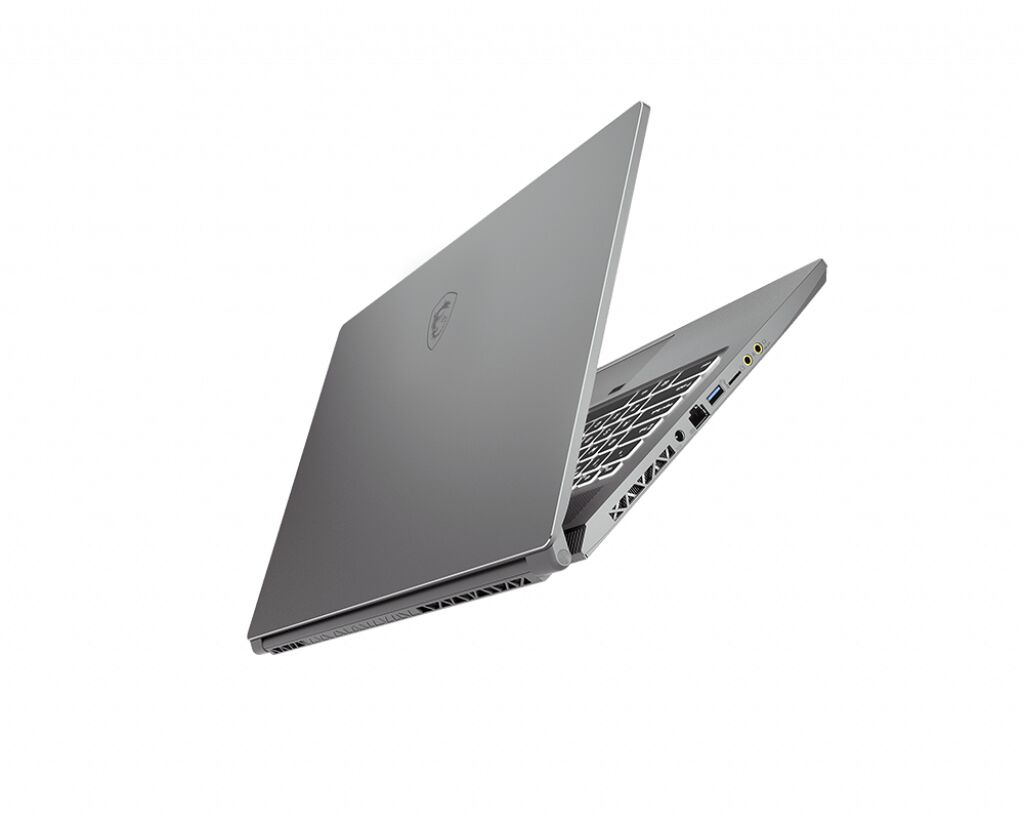
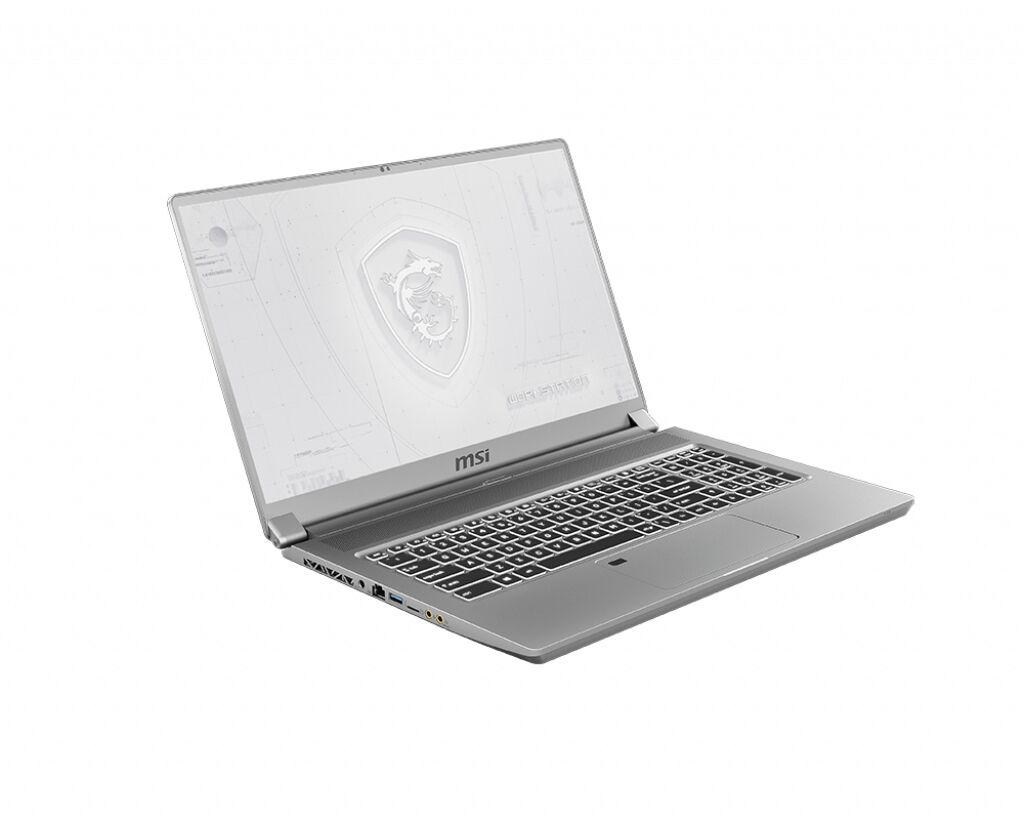
The MSI WS75 10TL-463 workstation features DDR4-SDRAM memory upgrade specifications with 2x SO-DIMM slots supporting a maximum RAM capacity of 64 GB. Compatible memory modules operate at 2666 MHz frequency using SO-DIMM form factor. Upgrade options allow for expanded memory capacity to enhance workstation performance for professional applications requiring substantial RAM resources.
Memory Upgrade Specifications
| Specification | Value |
|---|---|
| Memory slots | 2x SO-DIMM |
| Form factor | SO-DIMM |
| Memory type | DDR4-SDRAM |
| Frequency | 2666 MHz |
| Maximum RAM | 64 GB |
| Voltage | 1.2V |
| Number of pins | 260-pin |
| Interface | PC4 |
| PC Speed Rating | PC4-2666 (PC4-21328) |
| Bandwidth | 21.3 GB/s |
| Laptop Release date | 22 July 2020 |
Additional Notes
- The MSI WS75 10TL-463 workstation supports a maximum of 64 GB through 2 memory slots, meaning each slot accommodates 32 GB modules at maximum capacity.
- DDR4-2666 MHz operates below current standard frequencies (3200 MHz+), creating a performance ceiling that limits gains from faster memory modules even if installed, as the controller locks to 2666 MHz specification.
- SO-DIMM form factor restricts module availability to laptop-class memory; desktop DDR4 DIMMs are physically incompatible and cannot be forced into the slots without equipment damage.
- The 2-slot configuration means a single point of failure exists for each memory bank; system stability depends entirely on module quality since redundancy options are unavailable at this capacity limit.
- Upgrading from factory configuration to 64 GB requires both slots populated with matching 32 GB modules; mismatched capacities or speeds may trigger automatic downclocking or operational errors depending on firmware behavior.
- Memory bandwidth capacity is constrained by the dual-channel architecture and 2666 MHz clock; sustained workloads exceeding L3 cache will experience latency penalties compared to systems with faster memory subsystems.
- Warranty preservation typically requires purchasing memory from the OEM parts list or approved vendors; third-party modules, while often compatible, may void coverage if memory-related failure claims arise.