MSI Workstation WS75 10TL-634IT RAM upgrade specifications
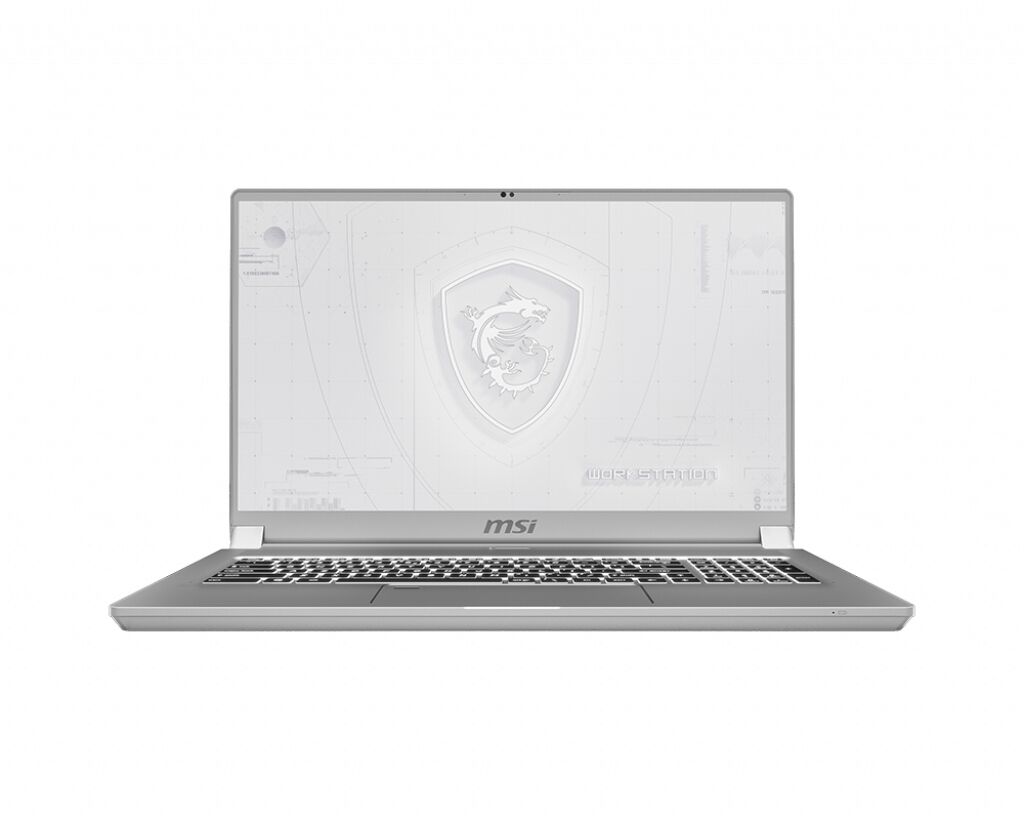



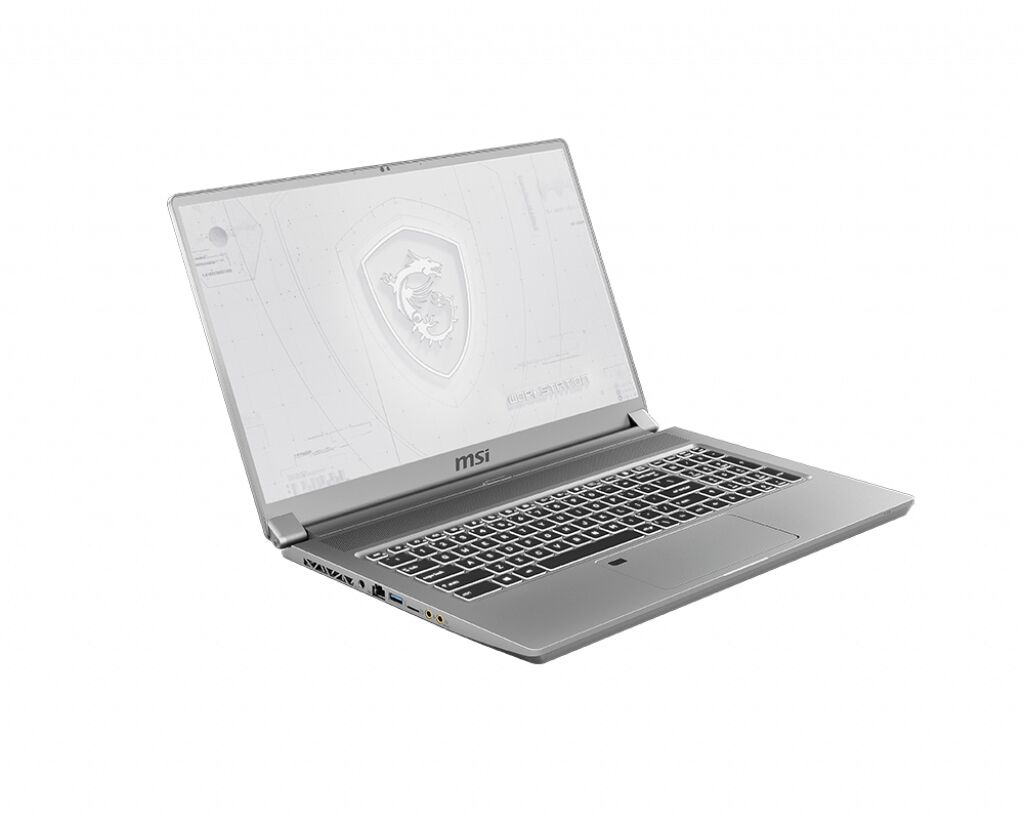
MSI WS75 10TL-634IT workstation memory upgrade specifications include DDR4-SDRAM support with two SO-DIMM slots. Maximum RAM capacity reaches 64 GB. Compatible memory operates at 2666 MHz frequency. Upgrade slots accommodate SO-DIMM form factor modules. Specifications support professional workstation performance requirements with dual memory slot configuration for expandable storage capacity.
Memory Upgrade Specifications
| Specification | Value |
|---|---|
| Memory slots | 2x SO-DIMM |
| Form factor | SO-DIMM |
| Memory type | DDR4-SDRAM |
| Frequency | 2666 MHz |
| Maximum RAM | 64 GB |
| Voltage | 1.2V |
| Number of pins | 260-pin |
| Interface | PC4 |
| PC Speed Rating | PC4-2666 (PC4-21328) |
| Bandwidth | 21.3 GB/s |
| Laptop Release date | 28 July 2020 |
Additional Notes
- The 64 GB ceiling represents a dual-channel configuration requiring 2 modules of 32 GB each, as only 2 slots exist on the motherboard.
- DDR4-2666 operates at a lower bandwidth than DDR4-3200, delivering approximately 21.3 GB/s per channel compared to 25.6 GB/s, which may impact workstation tasks involving large dataset transfers.
- SO-DIMM modules measure 67.6 mm in length versus standard DIMM at 133.35 mm, limiting compatibility to laptop-specific memory components sold at higher per-gigabyte costs.
- The 2666 MHz specification reflects JEDEC standard rather than XMP profiles, meaning higher-frequency modules will downclock to this speed regardless of rated capability.
- Accessing both memory slots in this MSI Workstation WS75 10TL-634IT typically requires bottom panel removal, which may void certain regional warranty provisions if unauthorized service seals are broken.
- Mixing memory modules with different densities across the 2 slots forces single-channel operation for capacities exceeding the smaller module, effectively halving theoretical bandwidth.
- Operating voltage for DDR4-2666 SO-DIMM defaults to 1.2V, and installing modules rated for 1.35V XMP profiles may cause POST failures or force fallback to lower frequencies.
- The Intel 10th generation platform supports ECC unbuffered SO-DIMM physically, but activation depends on chipset variant and BIOS implementation not specified in base memory parameters.
- Dual-rank modules provide marginal performance gains over single-rank at identical capacities due to interleaved access patterns, though thermal constraints in mobile chassis may limit sustained operation.
- CAS latency tolerance extends from CL17 to CL19 at 2666 MHz without stability loss, but tighter timings require manual BIOS configuration unavailable on locked workstation firmware builds.