MSI Workstation WS75 10TM-475IT RAM upgrade specifications
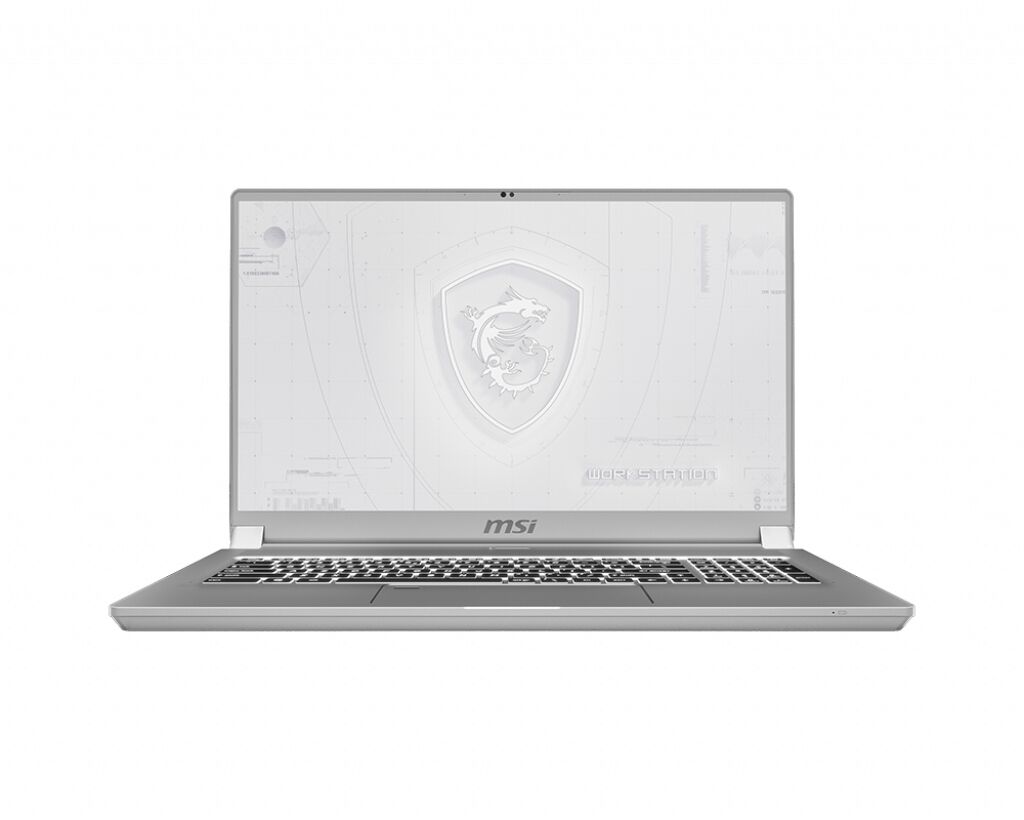
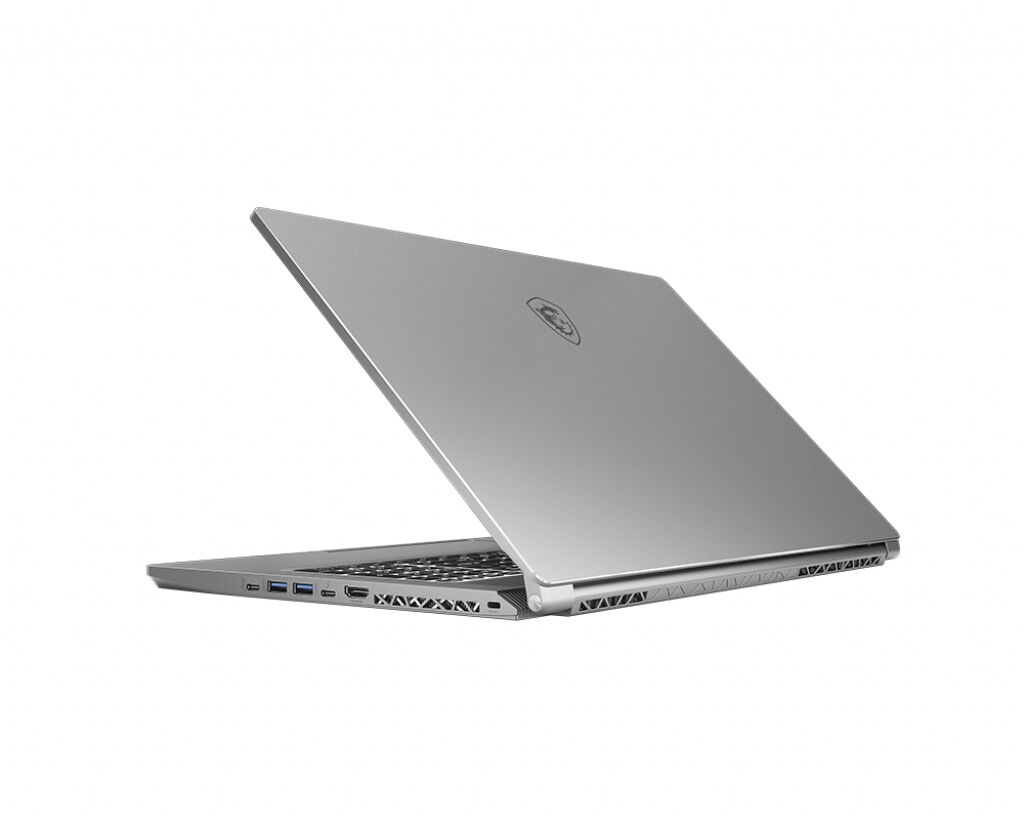
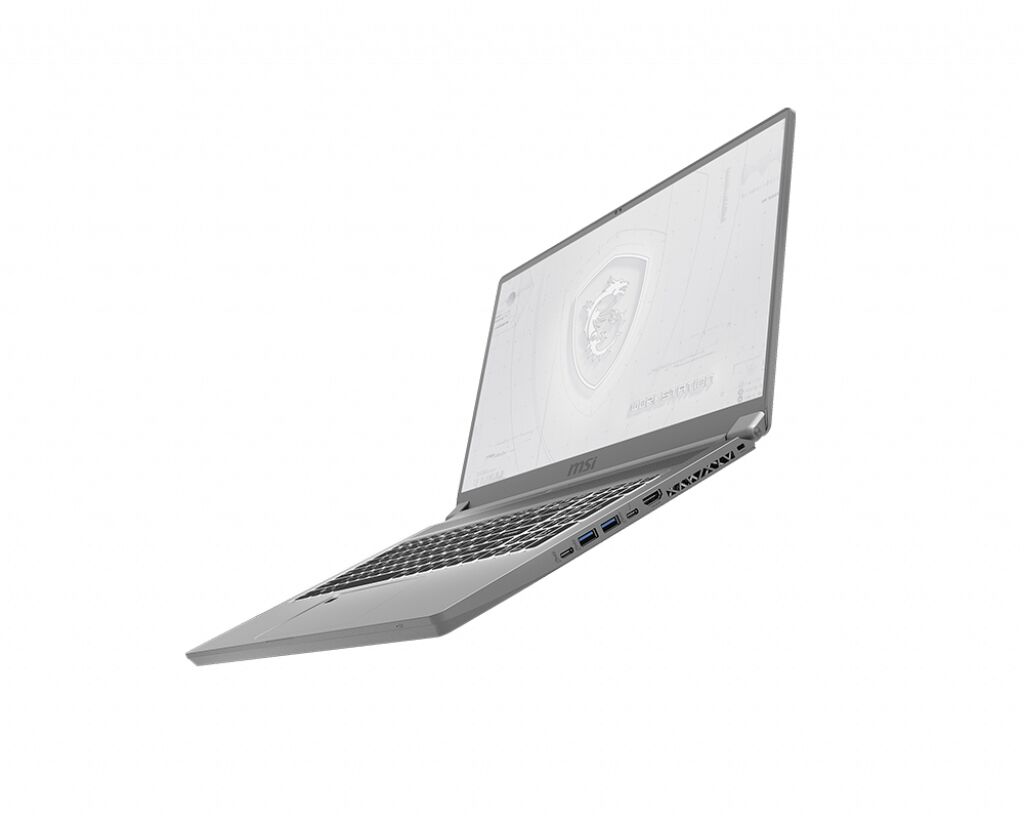
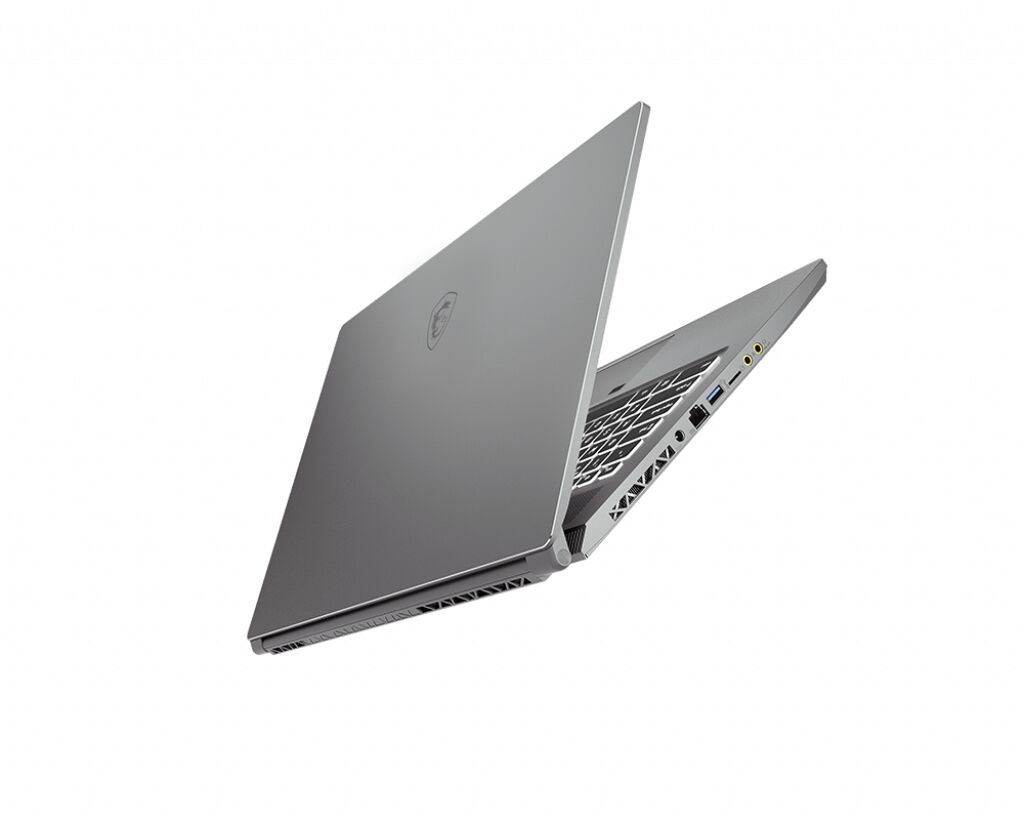
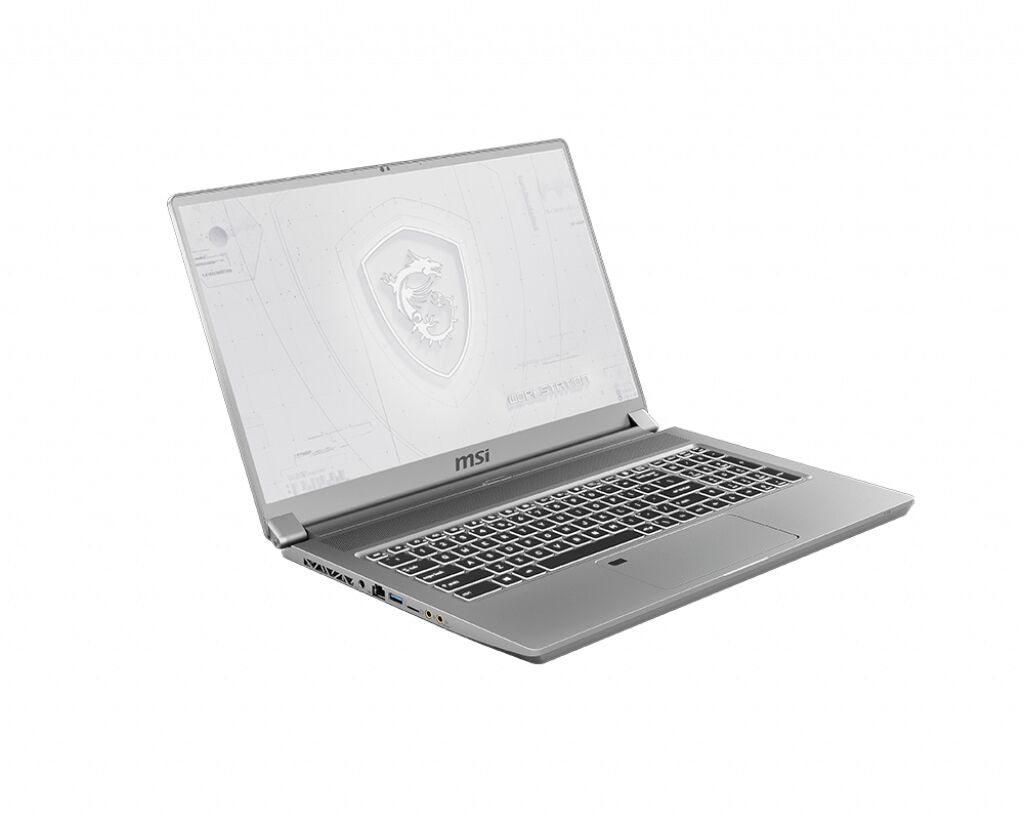
MSI WS75 10TM-475IT workstation series memory upgrade specifications include two SO-DIMM slots supporting DDR4-SDRAM modules at 2666 MHz frequency. Maximum RAM capacity reaches 64 GB total. Compatible memory upgrades utilize SO-DIMM form factor specifications for the WS75 series platform. Current configuration and available slots determine upgrade capacity options for the 10TM-475IT model.
Memory Upgrade Specifications
| Specification | Value |
|---|---|
| Memory slots | 2x SO-DIMM |
| Form factor | SO-DIMM |
| Memory type | DDR4-SDRAM |
| Frequency | 2666 MHz |
| Maximum RAM | 64 GB |
| Voltage | 1.2V |
| Number of pins | 260-pin |
| Interface | PC4 |
| PC Speed Rating | PC4-2666 (PC4-21328) |
| Bandwidth | 21.3 GB/s |
| Laptop Release date | 28 July 2020 |
Additional Notes
- The MSI WS75 10TM-475IT workstation uses SO-DIMM memory modules, which are physically smaller than standard DIMM slots and limit the system to laptop-class memory density. This constraint restricts maximum capacity to 64 GB across 2 slots, meaning each module cannot exceed 32 GB.
- DDR4-2666 MHz frequency operates below contemporary workstation standards (2933 MHz and higher became prevalent in 2019), creating potential bandwidth bottlenecks when processing large datasets or running parallel compute tasks that benefit from higher memory throughput.
- The 2-slot configuration eliminates redundancy options; a single memory module failure renders the system inoperable, unlike workstations with 4 or more slots that can sustain operation with partial capacity.
- SO-DIMM modules cost approximately 20-30 percent more per gigabyte than standard DIMM equivalents, making capacity upgrades financially inefficient compared to desktop workstation alternatives with the same budget.
- Warranty-safe upgrades require DDR4 SO-DIMM modules rated for 2666 MHz or lower. Mixing memory of different speeds defaults the system to the slowest module's frequency, negating performance gains from faster modules.
- The 64 GB ceiling requires assessment against planned workloads. Machine learning frameworks, CAD simulations, and 3D rendering that commonly demand 128 GB or higher will encounter memory swap operations and performance degradation on this system.