MSI Workstation WS75 10TM-492 RAM upgrade specifications
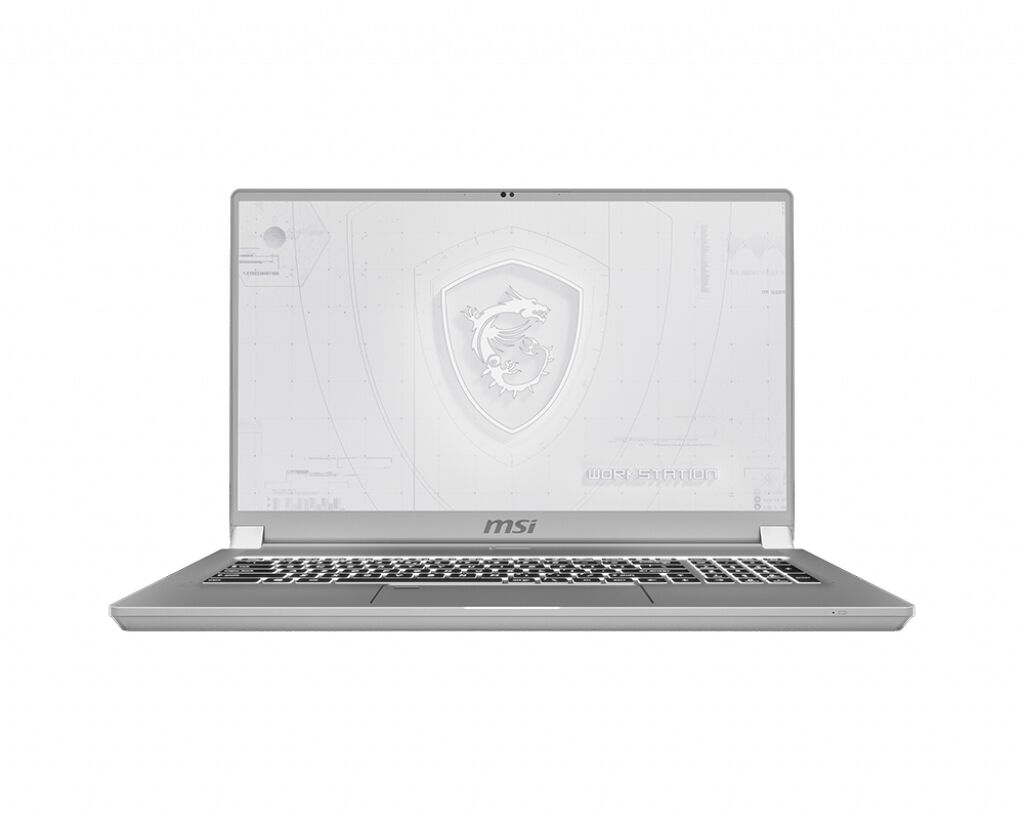
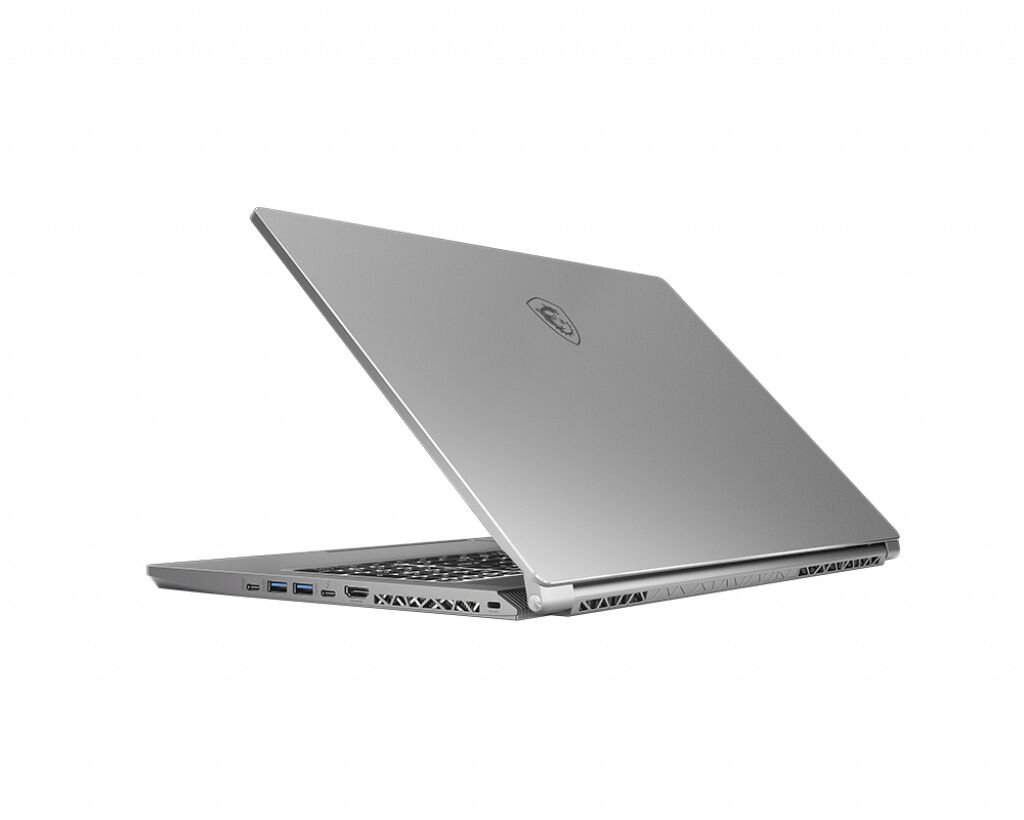
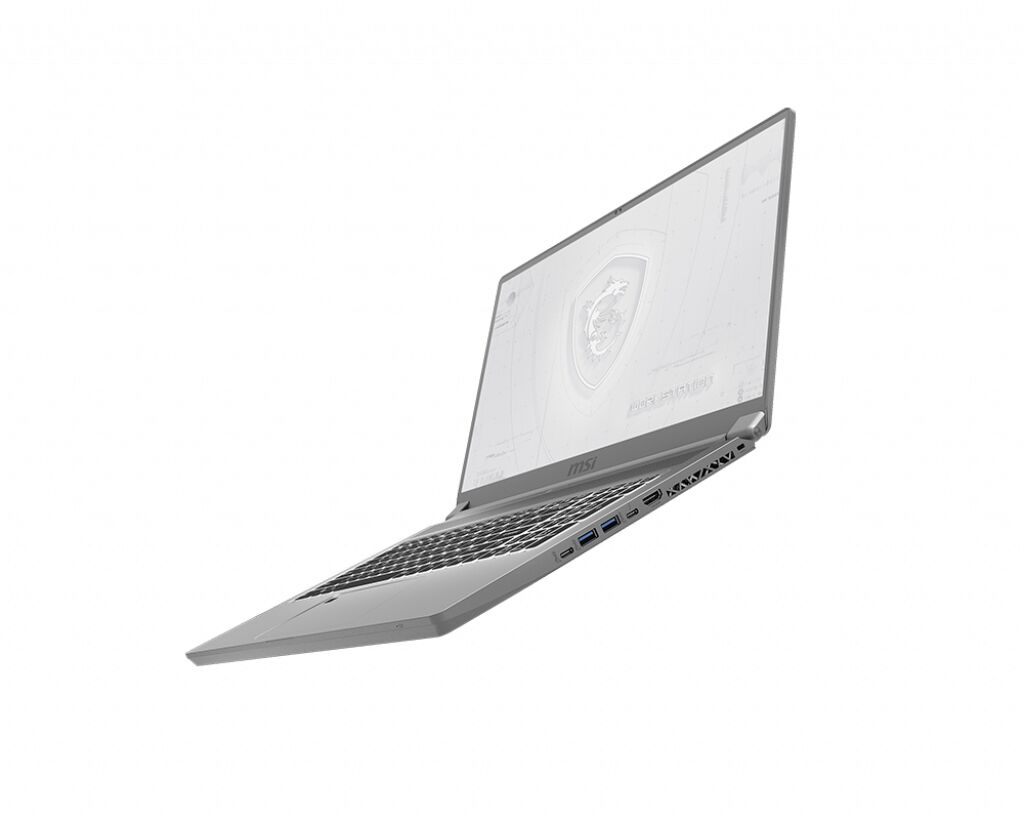
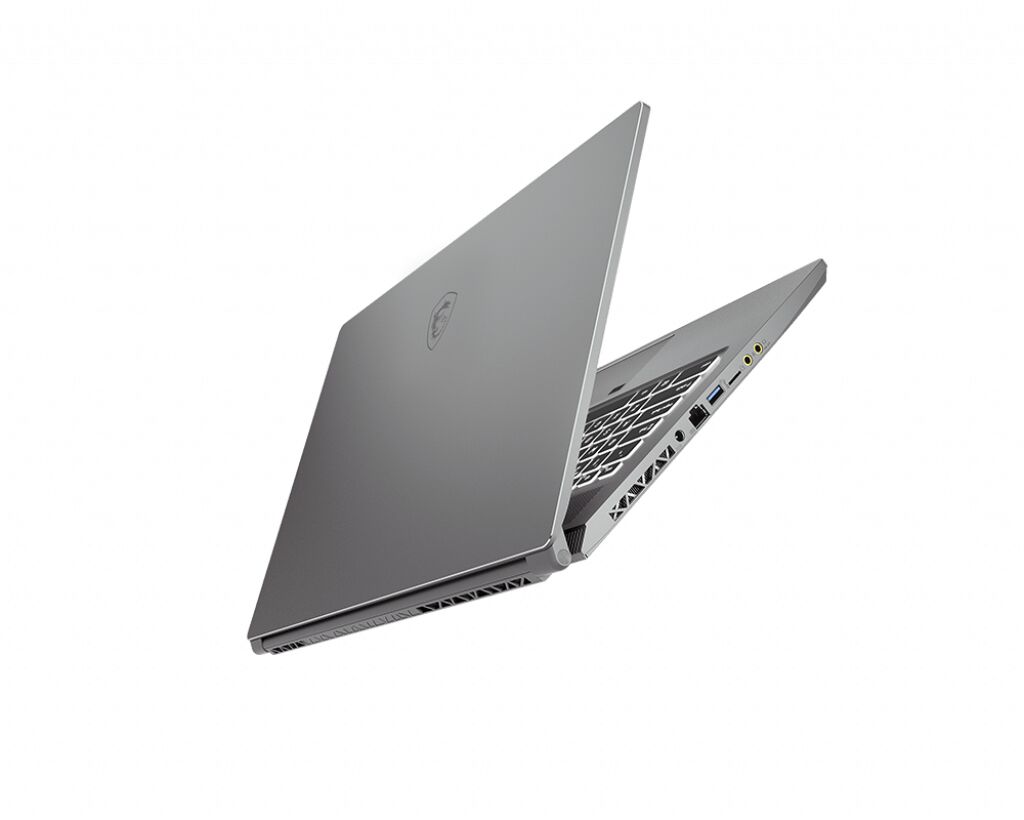
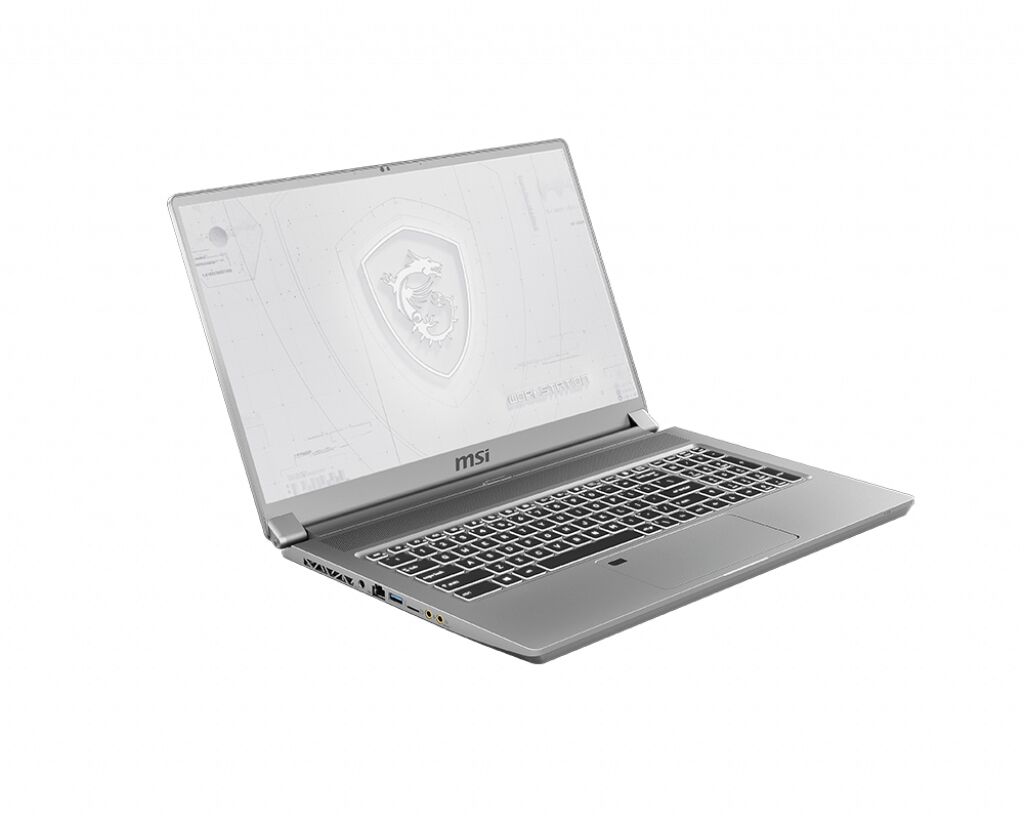
MSI WS75 10TM-492 workstation features two SO-DIMM memory slots supporting DDR4-SDRAM upgrade capacity. Maximum RAM specifications allow installation up to 64 GB total memory at 2666 MHz frequency. Compatible memory upgrades use SO-DIMM form factor modules. Existing memory configuration can be expanded through available slots to achieve maximum supported capacity specifications for enhanced workstation performance.
Memory Upgrade Specifications
| Specification | Value |
|---|---|
| Memory slots | 2x SO-DIMM |
| Form factor | SO-DIMM |
| Memory type | DDR4-SDRAM |
| Frequency | 2666 MHz |
| Maximum RAM | 64 GB |
| Voltage | 1.2V |
| Number of pins | 260-pin |
| Interface | PC4 |
| PC Speed Rating | PC4-2666 (PC4-21328) |
| Bandwidth | 21.3 GB/s |
| Laptop Release date | 28 March 2021 |
Additional Notes
- The MSI WS75 10TM-492 accommodates DDR4 modules rated for 2666 MHz, which represents the upper frequency boundary for 10th-generation Intel Core processors in this workstation class. Modules rated above this frequency will operate at 2666 MHz due to JEDEC standard enforcement, resulting in no performance gain from higher-speed specifications.
- With 2 SO-DIMM slots and a 64 GB maximum capacity ceiling, each slot accepts 32 GB modules maximum. Upgrading to full capacity requires replacing both original modules rather than adding to existing memory, as SO-DIMM slots do not support mixed capacities within the same upgrade path without creating asymmetrical configurations.
- SO-DIMM memory modules occupy considerably less physical space than standard DIMM variants, which limits the thermal mass available for heat dissipation during sustained workloads. Workstation applications executing long-render cycles or data-processing tasks may generate measurable temperature increases in memory modules, particularly during memory-intensive operations exceeding 48 GB utilization.
- The 2666 MHz specification indicates compatibility with official DDR4 JEDEC standards current through the 10th-generation Intel Xeon processor generation. Sourcing replacement or additional modules outside vendor-certified lists introduces compatibility risk with workstation-class software licensing verification, which may flag non-approved hardware configurations during initialization.
- Thermal design considerations within the MSI workstation chassis may require clearance verification if replacement modules incorporate taller heat spreaders. Some aftermarket SO-DIMM variants exceed standard height specifications, potentially creating contact interference with internal cooling ducts or chassis components.