ACER TravelMate P259-G2-MG-57K1 RAM upgrade specifications
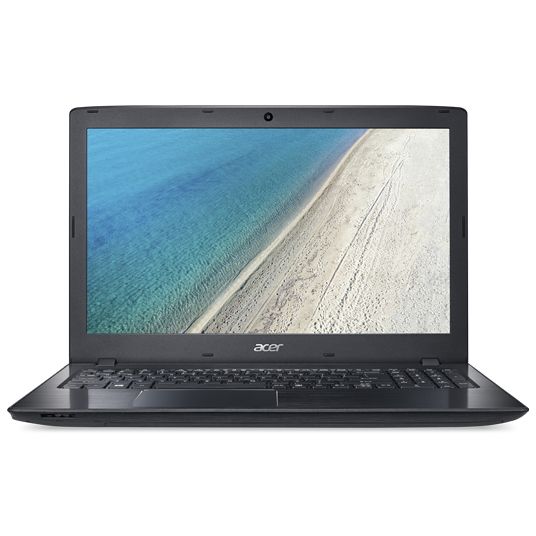
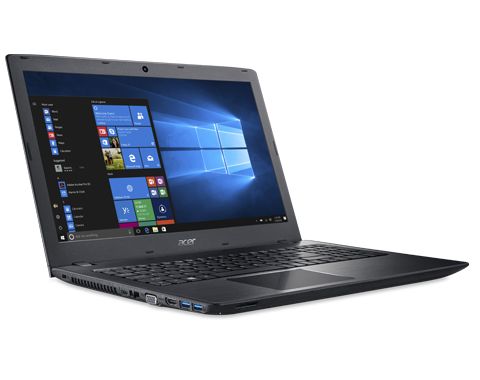
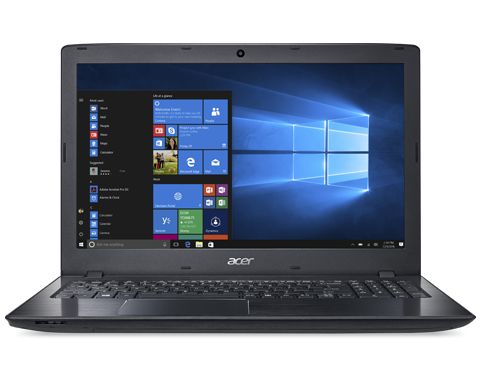
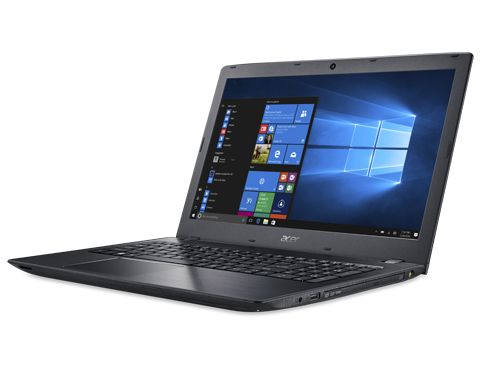
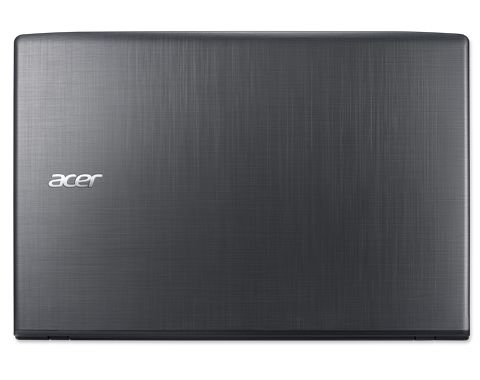
Acer TravelMate P2 Series P259-G2-MG-57K1 laptop RAM upgrade specifications include DDR4-SDRAM memory type with 2x SO-DIMM slots supporting maximum capacity of 32 GB. Memory operates at 2133 MHz frequency with SO-DIMM form factor. Compatible RAM upgrades available for this model enable users to expand memory capacity beyond factory-installed configuration for enhanced system performance and multitasking capabilities.
Memory Upgrade Specifications
| Specification | Value |
|---|---|
| Memory slots | 2x SO-DIMM |
| Form factor | SO-DIMM |
| Memory type | DDR4-SDRAM |
| Frequency | 2133 MHz |
| Maximum RAM | 32 GB |
| Voltage | 1.2V |
| Number of pins | 260-pin |
| Interface | PC4 |
| PC Speed Rating | PC4-2133 (PC4-17064) |
| Bandwidth | 17.1 GB/s |
| Laptop Release date | 10 August 2017 |
Additional Notes
- SO-DIMM slot configuration limits concurrent capacity to 16 GB per module, requiring matched pairs to achieve the 32 GB maximum without creating bandwidth asymmetry between slots.
- 2133 MHz native frequency indicates DDR4 generation 1 specification, constraining compatibility to first-generation DDR4 stock; newer DDR4-3200 modules will operate at reduced 2133 MHz speeds due to JEDEC downclocking, eliminating performance advantages of higher-frequency memory.
- Single-channel operation occurs if asymmetric capacities populate the 2 slots, reducing memory bandwidth efficiency by 50 percent compared to dual-channel configuration and degrading CPU-to-memory latency response.
- Laptop thermal constraints in the TravelMate P2 chassis may limit stable operation of high-capacity modules (16 GB SO-DIMMs) during sustained workloads, as SO-DIMM packages dissipate heat in confined spaces with minimal airflow.
- BIOS-level memory validation requirements mean non-validated third-party modules risk boot failures or data corruption; obtaining Acer's qualified parts list before purchasing aftermarket modules mitigates compatibility risk.
- DDR4-2133 specification predates widespread adoption of XMP/DOCP profiles, eliminating overclocking upgrade paths; sustained operation at rated frequency represents the practical ceiling for performance headroom.