ASUS ASUSPRO P2540FB-DM0037R RAM upgrade specifications
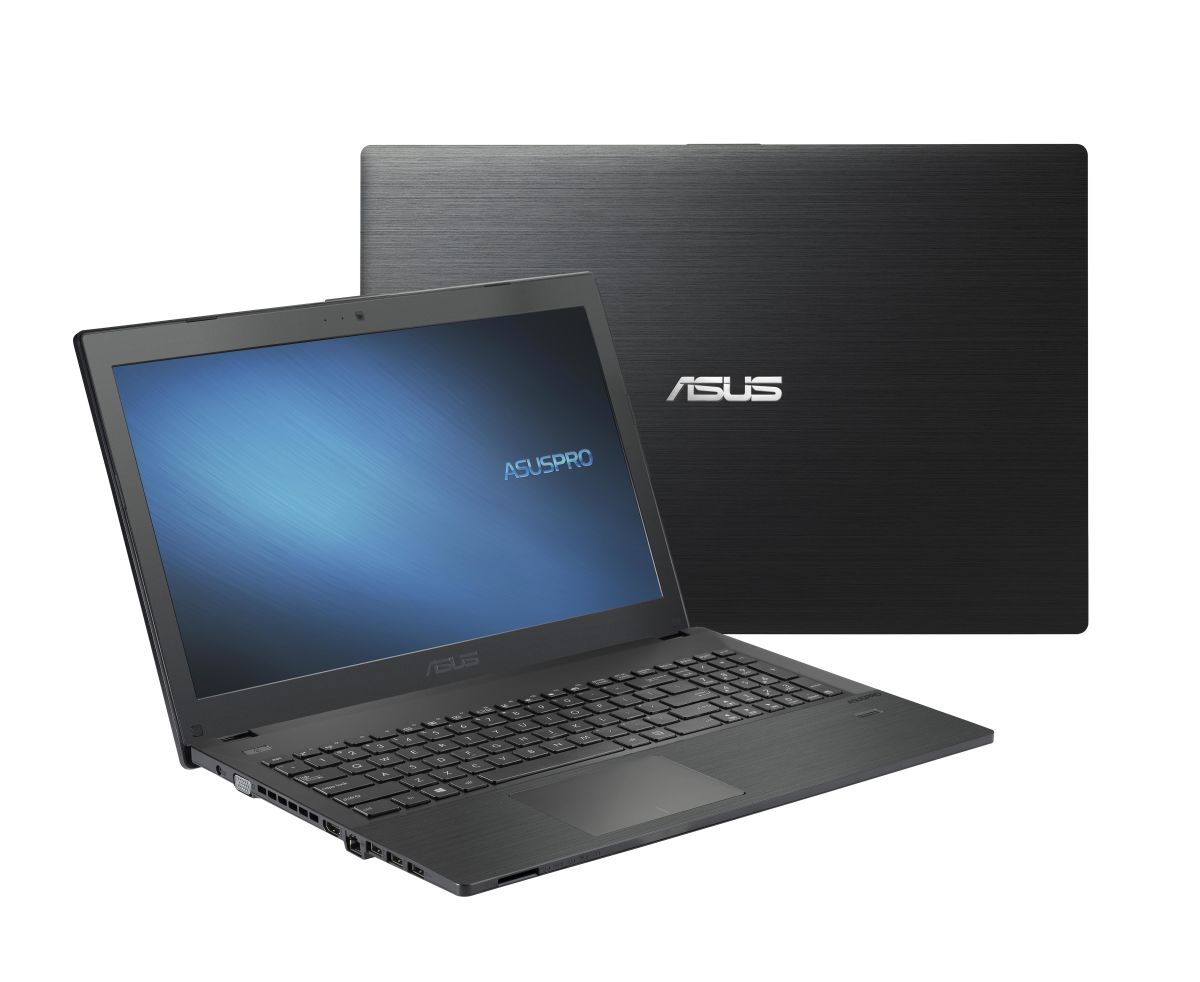
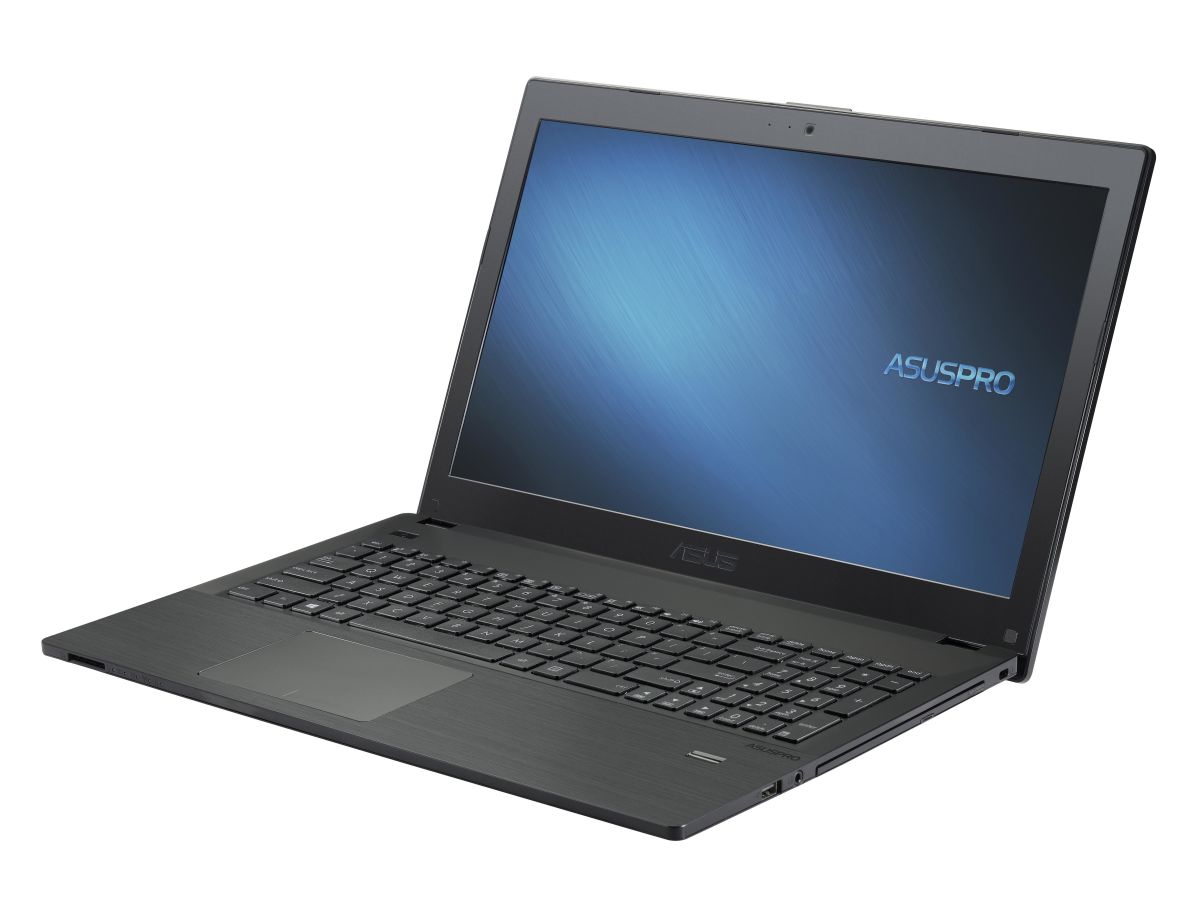
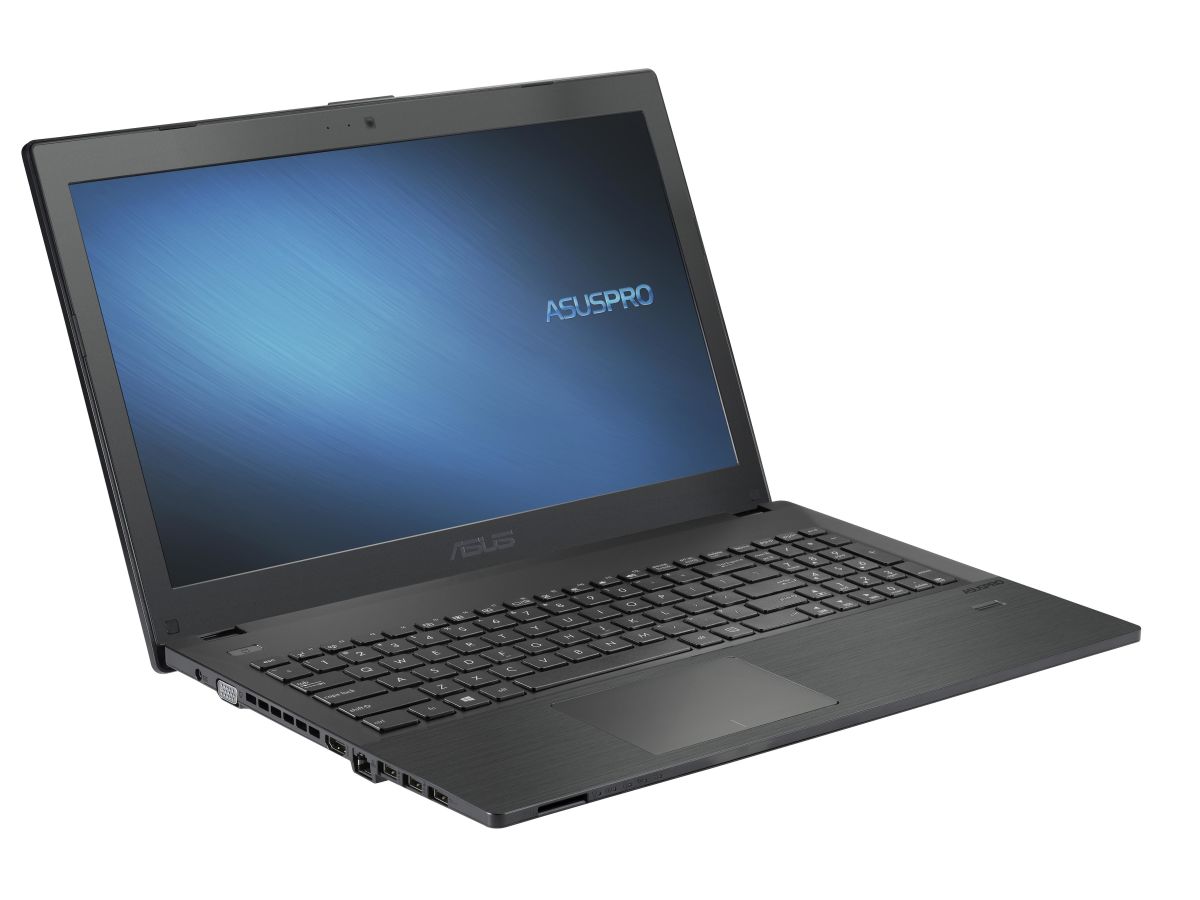
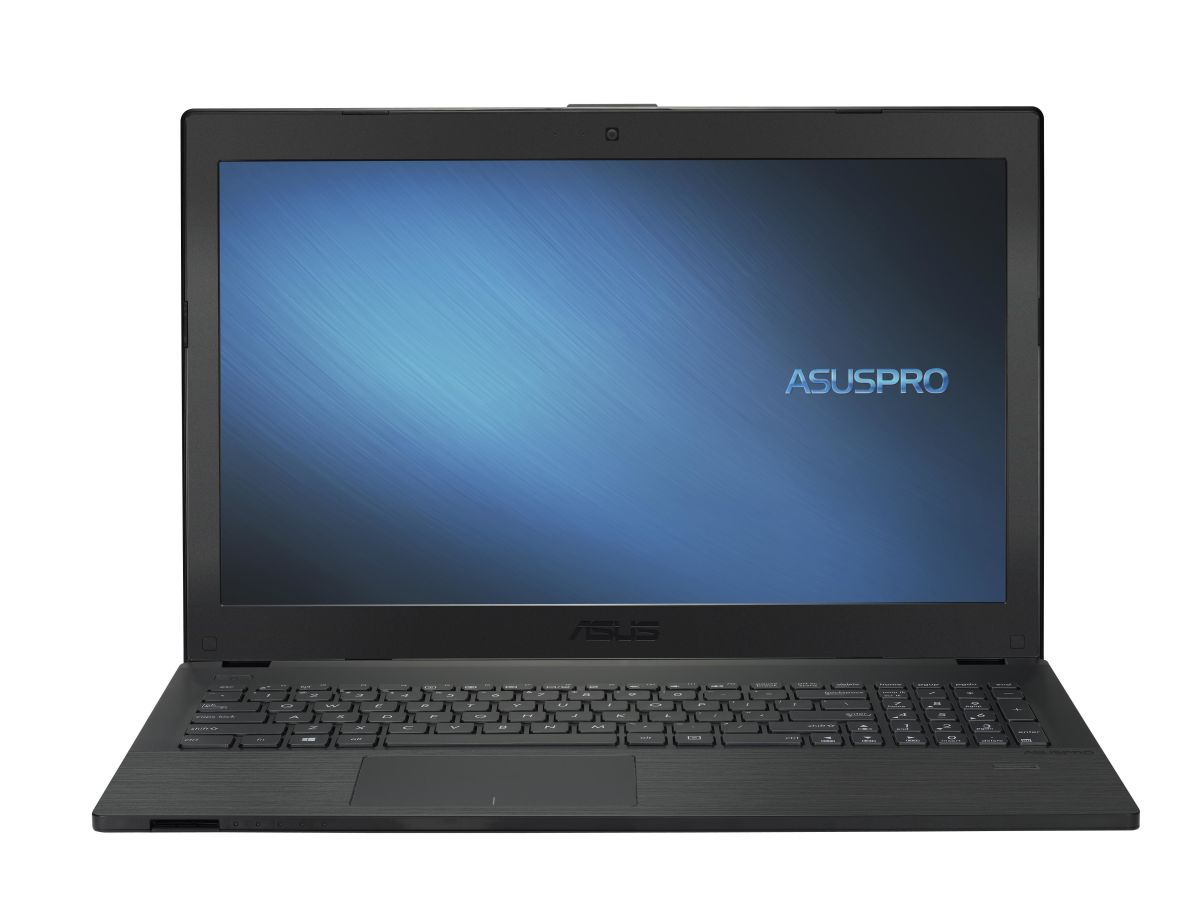

ASUS ASUSPRO P Series P2540FB-DM0037R laptop features DDR4-SDRAM memory upgrade specifications with one SO-DIMM slot for additional capacity. Maximum RAM compatibility reaches 20 GB total, combining on-board memory with expandable SO-DIMM slot. Memory operates at 2400 MHz frequency. Upgrade specifications identify compatible DDR4 modules for this business-class laptop model.
Memory Upgrade Specifications
| Specification | Value |
|---|---|
| Memory slots | 1x SO-DIMM |
| Form factor | On-board + SO-DIMM |
| Memory type | DDR4-SDRAM |
| Frequency | 2400 MHz |
| Maximum RAM | 20 GB |
| Voltage | 1.2V |
| Number of pins | 260-pin |
| Interface | PC4 |
| PC Speed Rating | PC4-2400 (PC4-19200) |
| Bandwidth | 19.2 GB/s |
| Laptop Release date | 01 March 2019 |
Additional Notes
- The ASUS ASUSPRO P2540FB-DM0037R features a hybrid memory architecture with soldered RAM permanently integrated on the motherboard alongside a single accessible slot.
- The 20 GB maximum capacity indicates 4 GB of non-removable onboard memory, allowing installation of a single 16 GB SO-DIMM module to reach the system limit.
- Dual-channel memory operation remains possible when pairing the soldered memory with a matching SO-DIMM module, though asymmetric configurations may trigger flex mode operation with reduced performance benefits.
- The 2400 MHz frequency specification represents the maximum supported speed, meaning faster modules will automatically downclock to this rate when installed.
- Single-slot accessibility limits future expansion strategies, requiring complete replacement of any installed module rather than incremental capacity additions.
- Systems utilizing onboard memory configurations typically reserve warranty protection for the soldered components regardless of aftermarket SO-DIMM installations.
- DDR4 SO-DIMM modules operate at 1.2V standard voltage, ensuring compatibility across manufacturers when matching the specified frequency ceiling.
- The memory controller's bandwidth allocation will split asymmetrically in configurations exceeding an 8 GB total, potentially creating interleaving inefficiencies during intensive workloads.
- Physical access to the single SO-DIMM slot typically requires bottom panel removal, though the soldered memory eliminates any risk of improper seating for that portion of total capacity.
- Memory testing procedures must account for the permanent onboard allocation when diagnosing failures, as slot-based modules can be isolated while soldered components cannot be individually replaced.