ASUS TUF Dash FX516PM-HN024T RAM upgrade specifications

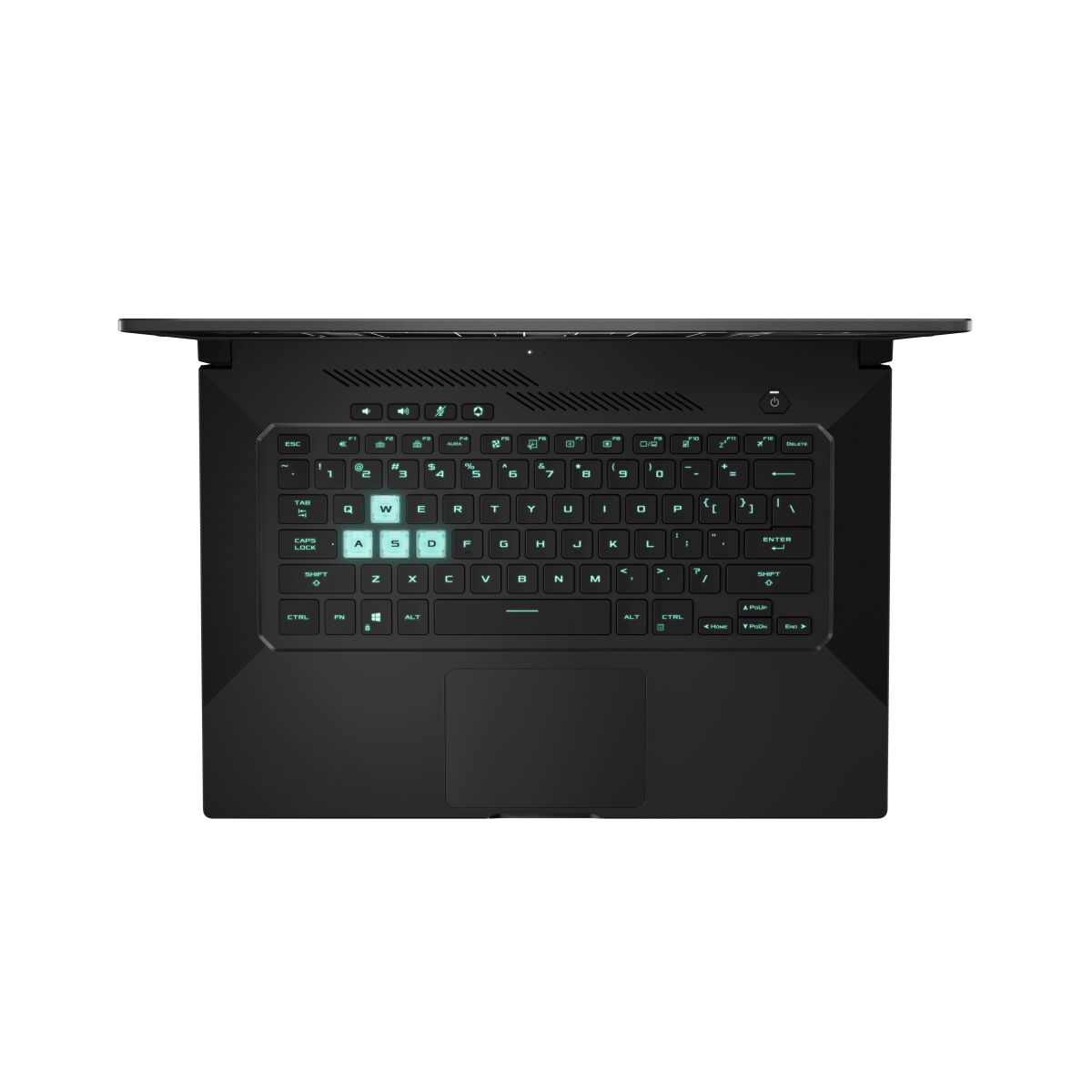
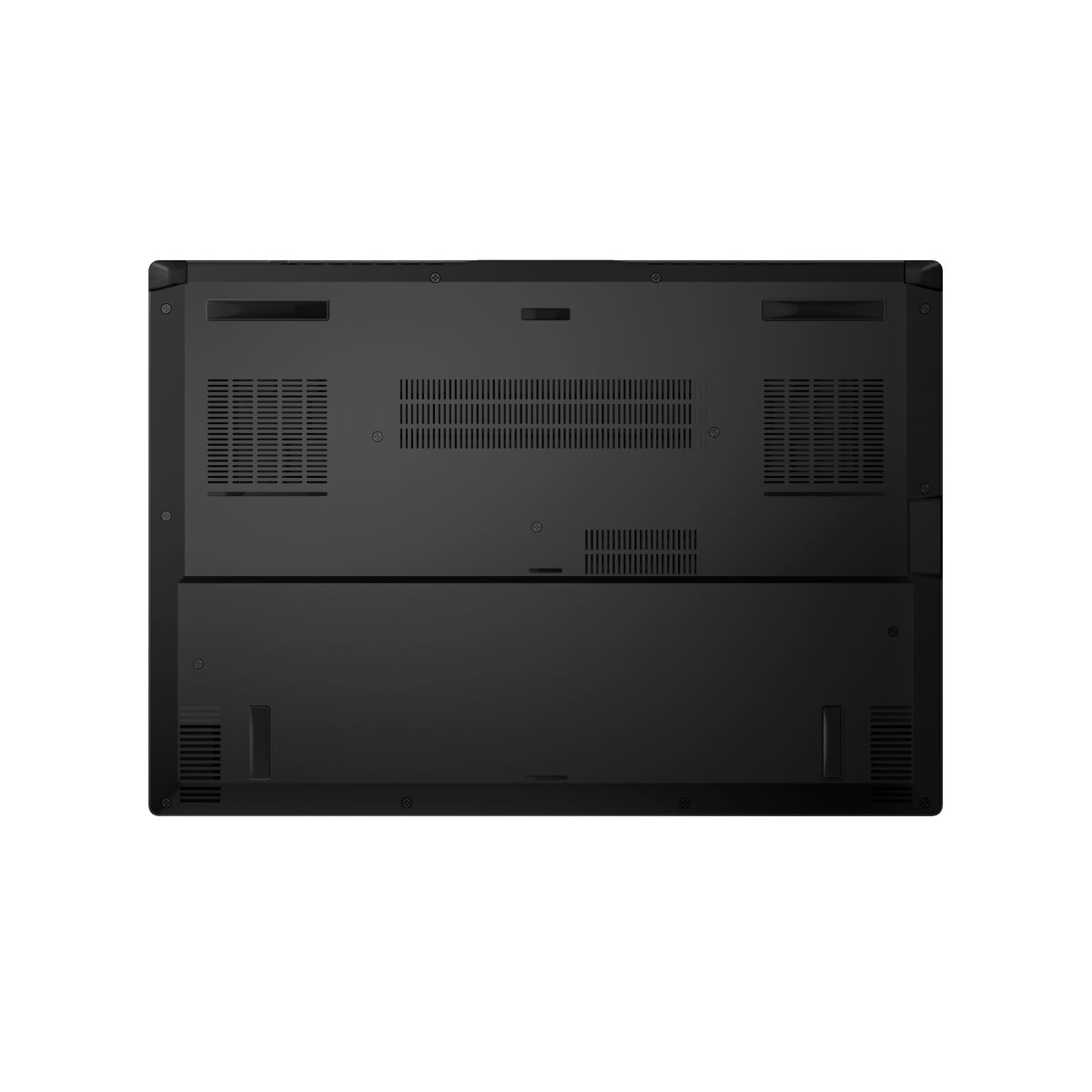
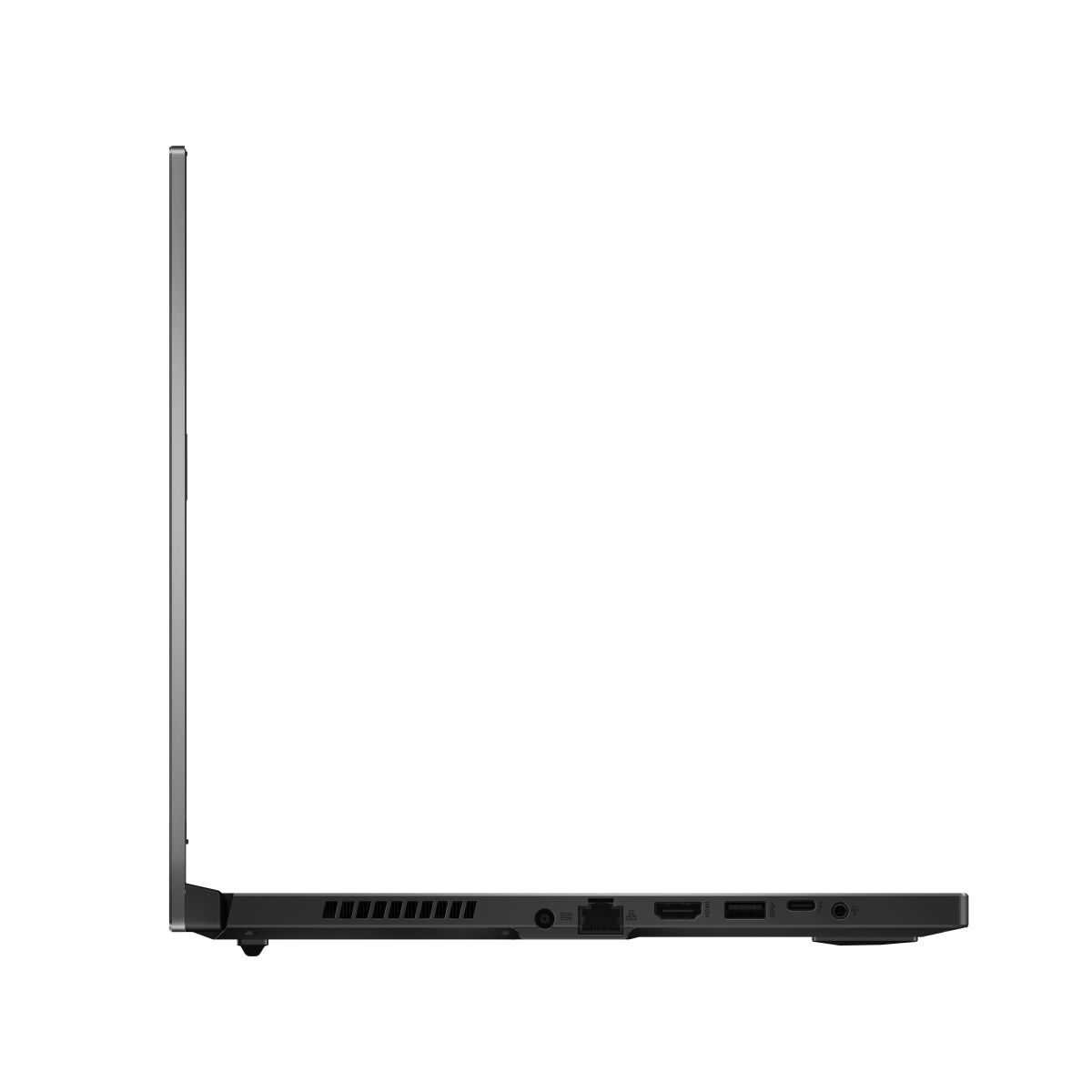
ASUS TUF Dash F15 FX516PM-HN024T supports DDR4-SDRAM memory upgrade via 1x SO-DIMM slot. The laptop features on-board memory combined with a single expandable slot for RAM upgrade. Maximum compatible memory capacity reaches 32 GB at 3200 MHz frequency. Specifications indicate one available SO-DIMM slot for memory expansion, allowing users to upgrade the existing RAM configuration to the maximum supported capacity through compatible DDR4 modules operating at 3200 MHz specifications.
Memory Upgrade Specifications
| Specification | Value |
|---|---|
| Memory slots | 1x SO-DIMM |
| Form factor | On-board + SO-DIMM |
| Memory type | DDR4-SDRAM |
| Frequency | 3200 MHz |
| Maximum RAM | 32 GB |
| Voltage | 1.2V |
| Number of pins | 260-pin |
| Interface | PC4 |
| PC Speed Rating | PC4-3200 (PC4-25600) |
| Bandwidth | 25.6 GB/s |
| Laptop Release date | 22 March 2021 |
Additional Notes
- The ASUS TUF Dash FX516PM-HN024T features a hybrid memory architecture with one portion soldered directly to the motherboard and one accessible SO-DIMM slot, limiting upgradability compared to systems with dual removable slots.
- The single upgradeable slot restricts memory configurations to asymmetric capacities unless the soldered module capacity is known, potentially preventing dual-channel operation at full installed capacity if modules are mismatched.
- Achieving the 32 GB maximum requires determining the soldered memory capacity first, as the user-replaceable module must complement rather than match the fixed onboard amount.
- DDR4-3200 represents the JEDEC standard specification, meaning modules rated above this frequency may default to 3200 MHz unless XMP profiles are supported and enabled in BIOS, which varies by manufacturer implementation.
- Mixing modules with different latency timings or voltage specifications can force the memory controller to operate at the slower module's parameters, potentially degrading performance below the rated 3200 MHz effective speed.
- SO-DIMM modules physically differ from standard DIMM desktop memory through reduced pin count and physical dimensions, requiring laptop-specific modules that typically cost more per gigabyte than desktop equivalents.
- The onboard component makes warranty-safe upgrades dependent on accessing only the user-serviceable SO-DIMM slot, as soldered memory cannot be replaced without board-level repair that voids manufacturer coverage.
- Single-channel bandwidth limitations may occur when total installed capacity exceeds twice the soldered module size, as memory controllers typically interleave data across matched capacity pairs for optimal dual-channel throughput.
- Operating temperatures in gaming laptops can affect module stability at rated speeds, particularly with higher density modules approaching the 32 GB ceiling in the confined SO-DIMM slot positioning.