ASUS TUF Dash FX516PM-HN026T RAM upgrade specifications

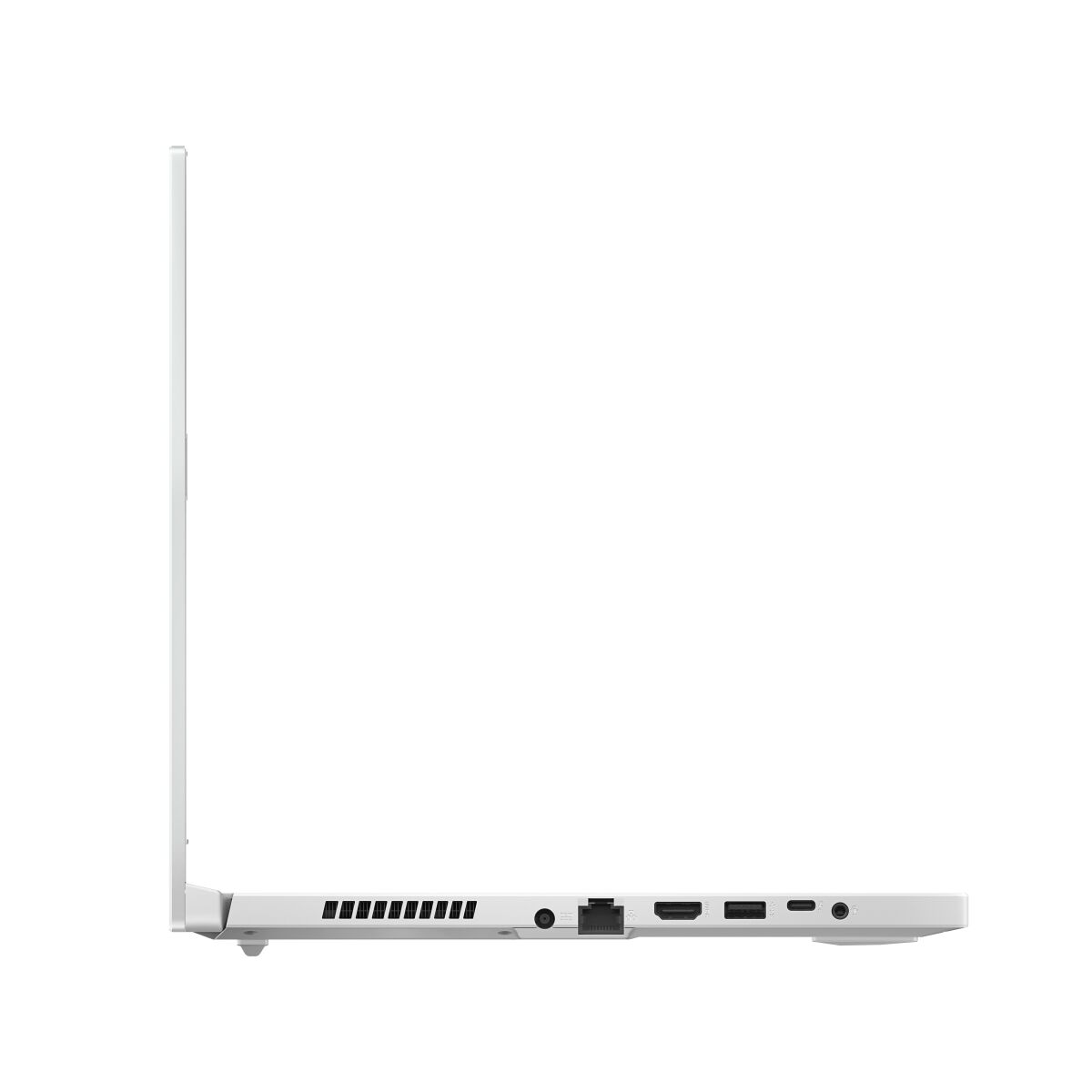
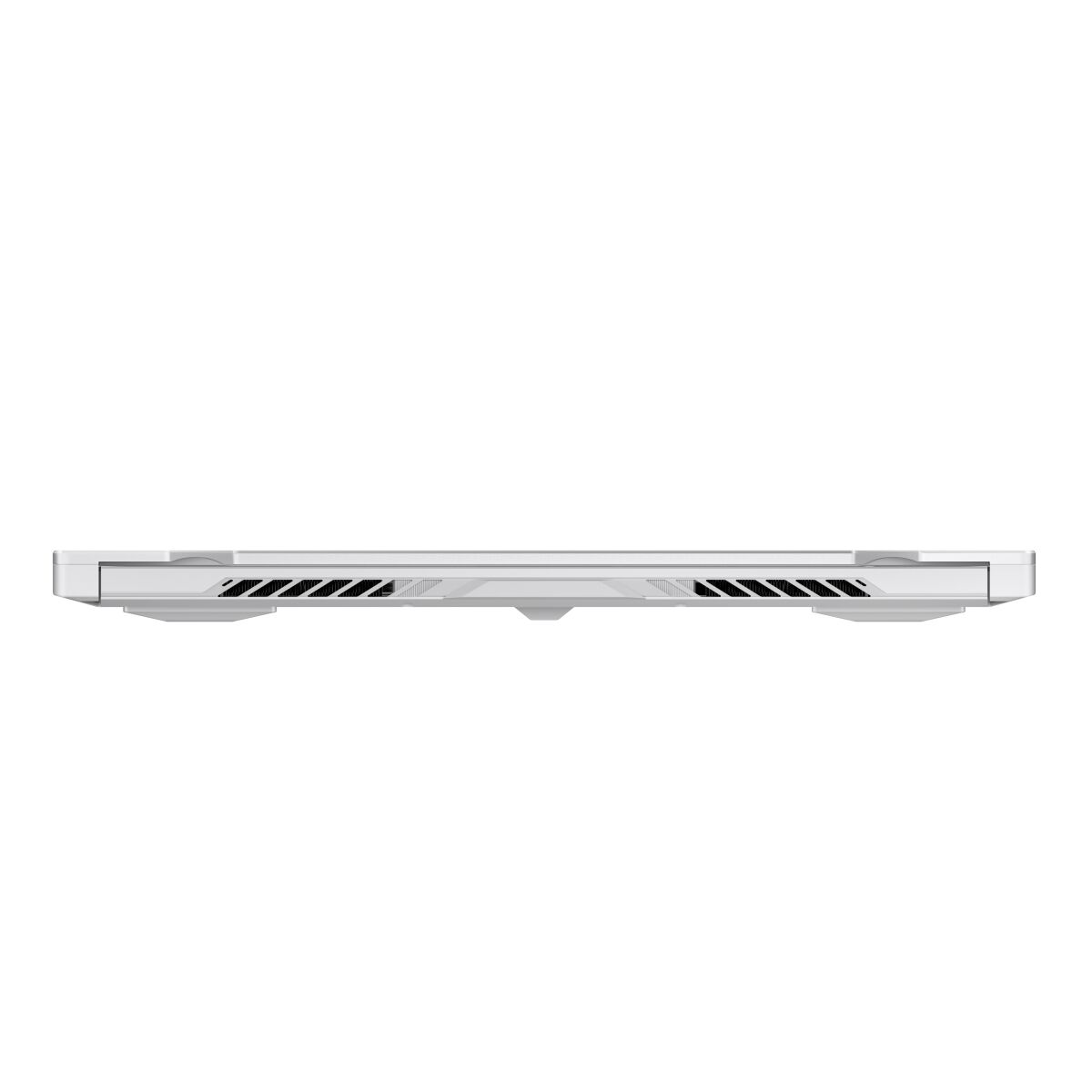
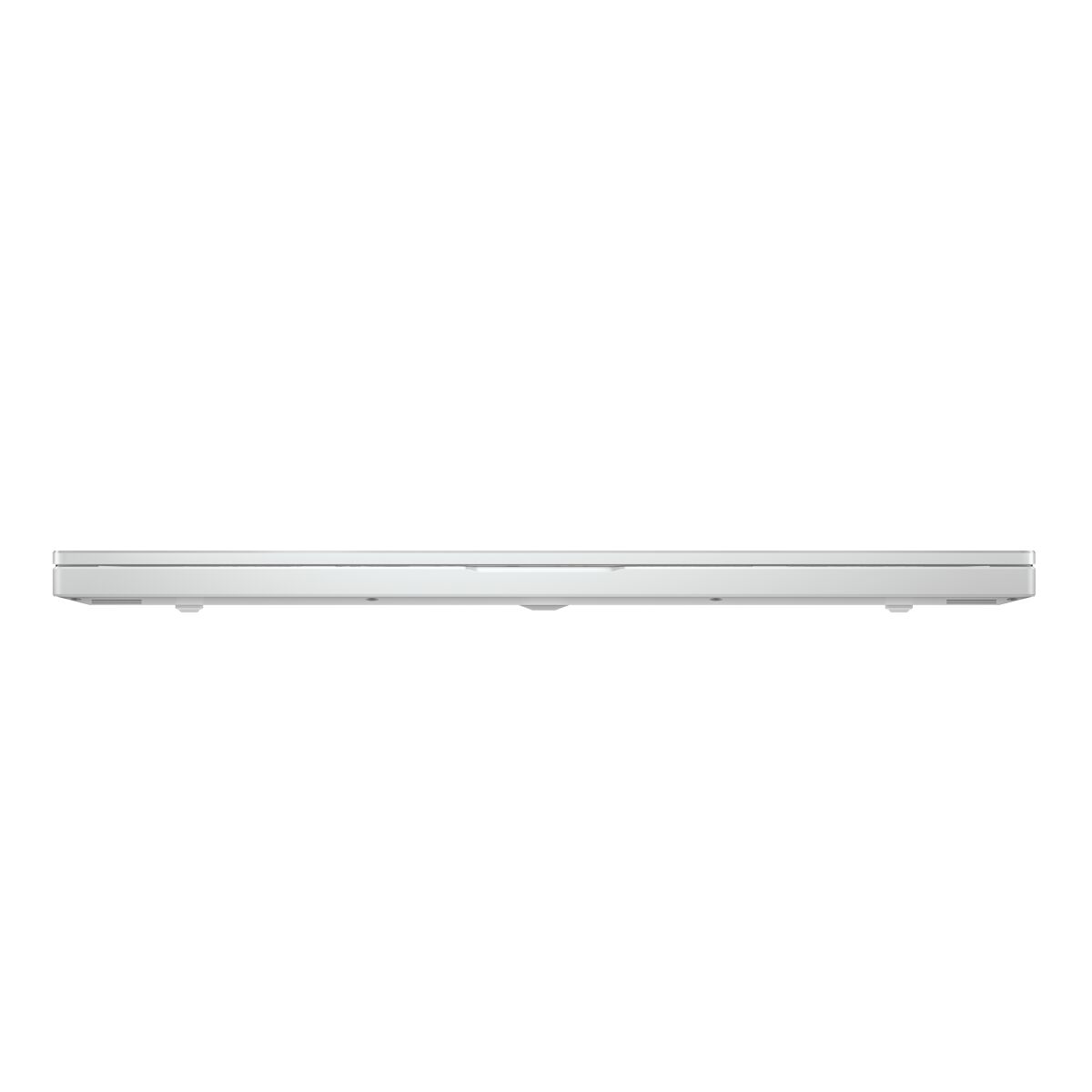
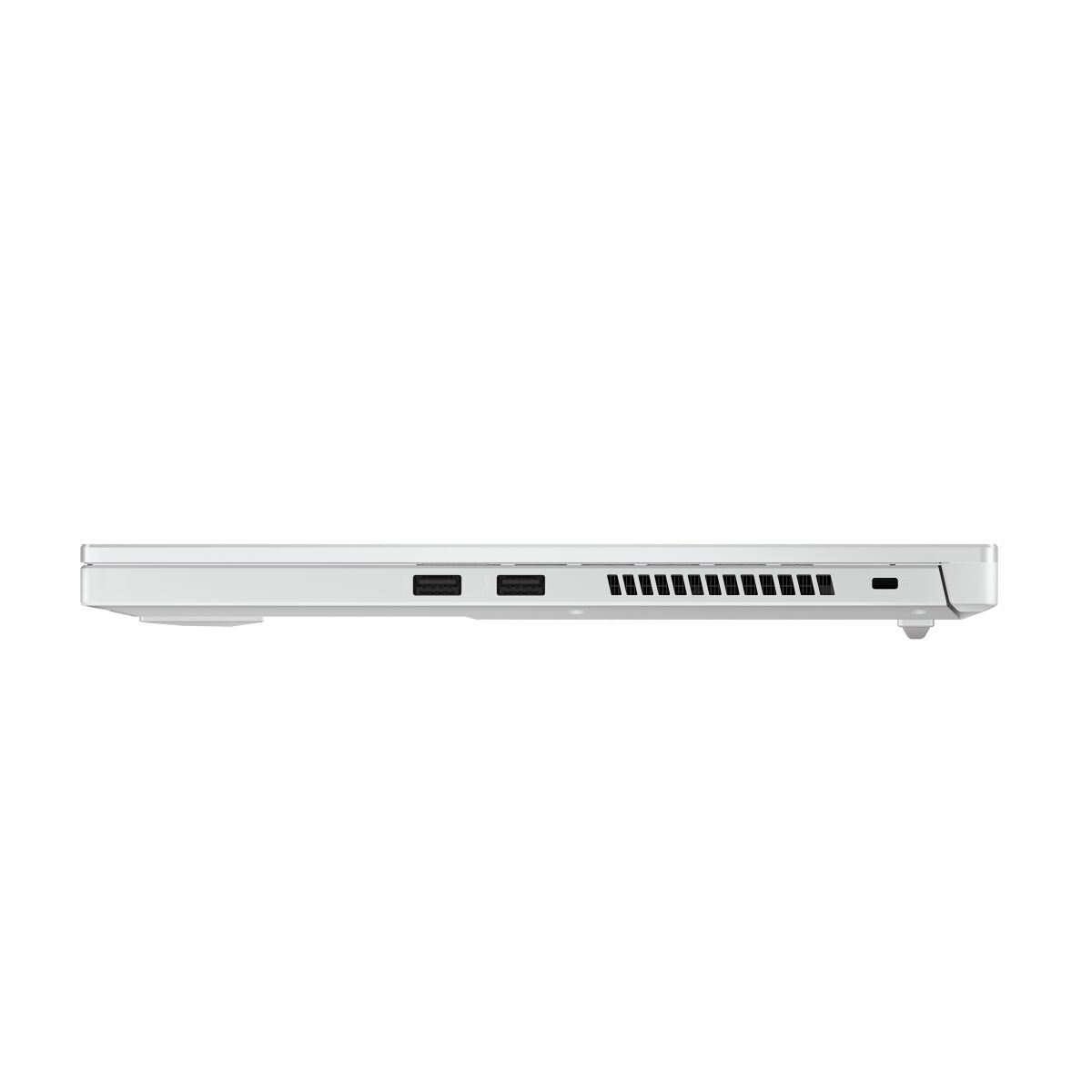
The ASUS TUF Dash F15 FX516PM-HN026T features DDR4-SDRAM memory specifications with a maximum RAM capacity of 32 GB. The laptop includes one SO-DIMM slot available for upgrade, supporting memory modules operating at 3200 MHz frequency. The memory configuration utilizes on-board integrated memory combined with the expandable SO-DIMM slot. Compatible RAM upgrades must meet DDR4-SDRAM specifications to ensure proper functionality with the FX516PM-HN026T platform.
Memory Upgrade Specifications
| Specification | Value |
|---|---|
| Memory slots | 1x SO-DIMM |
| Form factor | On-board + SO-DIMM |
| Memory type | DDR4-SDRAM |
| Frequency | 3200 MHz |
| Maximum RAM | 32 GB |
| Voltage | 1.2V |
| Number of pins | 260-pin |
| Interface | PC4 |
| PC Speed Rating | PC4-3200 (PC4-25600) |
| Bandwidth | 25.6 GB/s |
| Laptop Release date | 25 January 2021 |
Additional Notes
- The ASUS TUF Dash FX516PM-HN026T features a hybrid memory architecture with soldered RAM complementing the single SO-DIMM slot, limiting total expansion to one additional module.
- Maximum system capacity of 32 GB indicates the soldered memory component occupies either 8 GB or 16 GB, restricting the SO-DIMM upgrade to 16 GB or 24 GB respectively to avoid exceeding the controller's addressing limit.
- Single-channel operation occurs when only the onboard memory is active, creating a performance penalty in memory-intensive applications until a matching SO-DIMM module is installed to enable dual-channel mode.
- Achieving dual-channel configuration requires purchasing a SO-DIMM module identical in capacity to the soldered component, as asymmetric capacities force the memory controller into flex mode with reduced bandwidth on the larger module.
- DDR4-3200 specification at JEDEC standard represents a baseline speed, with actual performance dependent on motherboard support for XMP profiles and thermal conditions within the chassis during sustained workloads.
- SO-DIMM form factor restricts module height to 30 mm, eliminating compatibility concerns with heat spreaders that plague desktop DIMM installations, though thickness variations above 3.5 mm may interfere with bottom panel reassembly.
- The onboard memory configuration permanently eliminates one upgrade path, as soldered components cannot be replaced without board-level rework that voids manufacturer warranty coverage.
- Memory controller integrated within the CPU determines compatibility with CL22 or CL19 latency timings at 3200 MHz, with tighter timings providing marginal gains in latency-sensitive operations but requiring validation against the specific processor model installed.
- Total memory bandwidth peaks at 51.2 GB/s in dual-channel mode, establishing the theoretical ceiling for data transfer between system RAM and the processor cache hierarchy.
- Non-ECC unbuffered modules represent the only compatible SO-DIMM type, as the mobile platform lacks support for error-correcting code memory found in workstation-class systems.
- Voltage specification locked at 1.2V for DDR4-3200 operation prevents undervolting or overvolting attempts, protecting the memory controller from electrical damage at the cost of eliminating low-power tuning options.
- Access to the SO-DIMM slot requires complete bottom panel removal, exposing warranty seals that may need preservation through careful disassembly to maintain coverage eligibility.