ASUS TUF Dash FX516PM-HN181W RAM upgrade specifications


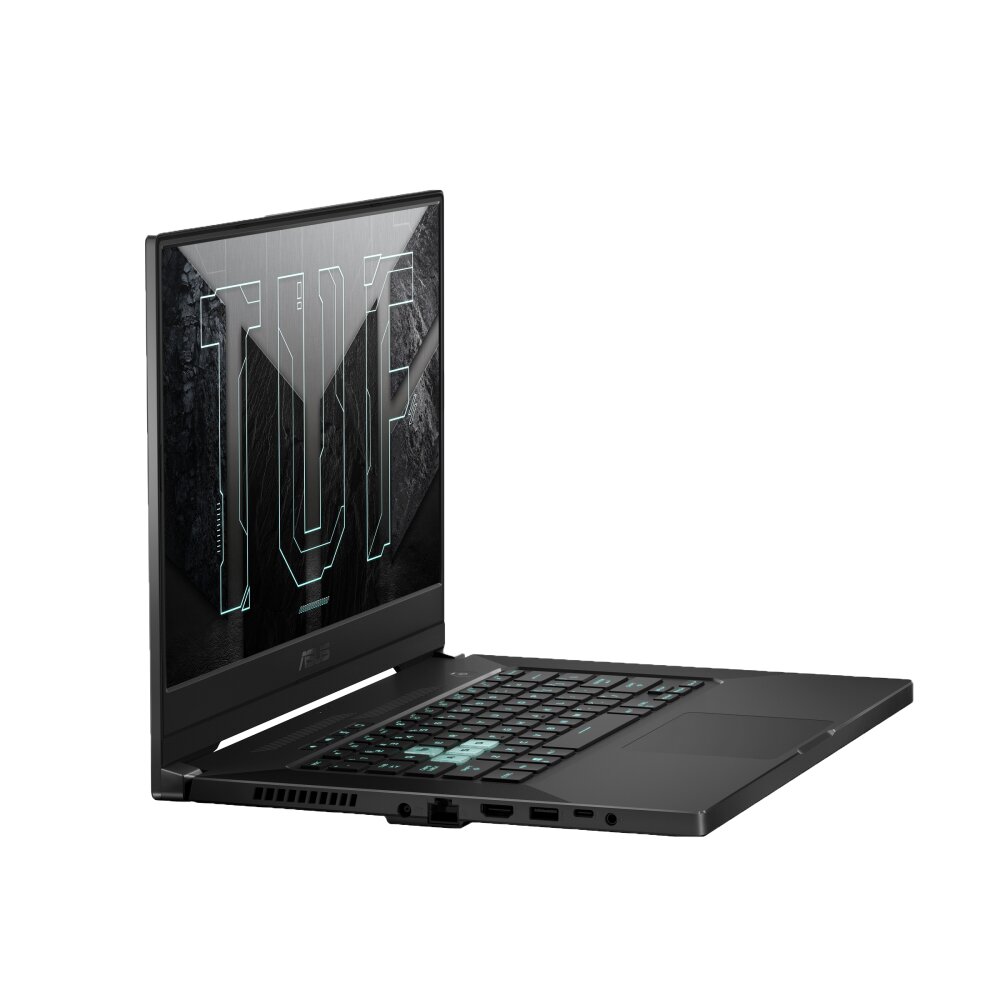
The ASUS TUF Dash F15 FX516PM-HN181W features DDR4-SDRAM memory upgradeable through a single SO-DIMM slot. The laptop supports maximum RAM capacity of 32 GB, with compatible memory operating at 3200 MHz frequency. Specifications indicate the memory form factor is SO-DIMM, enabling users to expand existing memory configurations. The upgrade slot accommodates DDR4 modules meeting the specified frequency and capacity requirements for this gaming laptop model.
Memory Upgrade Specifications
| Specification | Value |
|---|---|
| Memory slots | 1x SO-DIMM |
| Form factor | SO-DIMM |
| Memory type | DDR4-SDRAM |
| Frequency | 3200 MHz |
| Maximum RAM | 32 GB |
| Voltage | 1.2V |
| Number of pins | 260-pin |
| Interface | PC4 |
| PC Speed Rating | PC4-3200 (PC4-25600) |
| Bandwidth | 25.6 GB/s |
| Laptop Release date | 25 April 2022 |
Additional Notes
- The ASUS TUF Dash FX516PM-HN181W features soldered onboard memory alongside a single SO-DIMM slot, creating an asymmetric dual-channel configuration that affects memory interleaving and bandwidth distribution.
- Upgrading to 32 GB total capacity requires replacing the existing SO-DIMM module, as the single slot design prevents incremental expansion through module addition.
- Achieving optimal dual-channel performance demands matching the soldered memory's specifications, including capacity per module, speed grade, and latency timings to prevent frequency downclocking.
- Mismatched memory capacities between the soldered chip and SO-DIMM slot will cause the system to operate in flex mode, where only matching portions run in dual-channel while excess capacity defaults to slower single-channel operation.
- The 3200 MHz specification represents JEDEC standard DDR4-3200 operation, eliminating the need for XMP profile support or BIOS configuration for rated performance.
- SO-DIMM installation requires accessing the bottom panel, where warranty seals may be present depending on regional market and manufacturing date.
- Thermal considerations become relevant at maximum capacity, as denser memory modules generate additional heat in the confined laptop chassis during sustained workloads.
- Voltage compatibility is limited to standard 1.2V DDR4 modules, as low-voltage or overclocking variants may cause instability or void compatibility with the soldered memory subsystem.
- The chipset memory controller dictates actual operational frequency, potentially running modules below their rated speed if system firmware implements conservative memory training algorithms.
- Single-rank versus dual-rank module architecture impacts interleaving efficiency differently when paired with unknown soldered memory rank configuration.