ASUS TUF Dash TUF516PR-DB71-CA RAM upgrade specifications

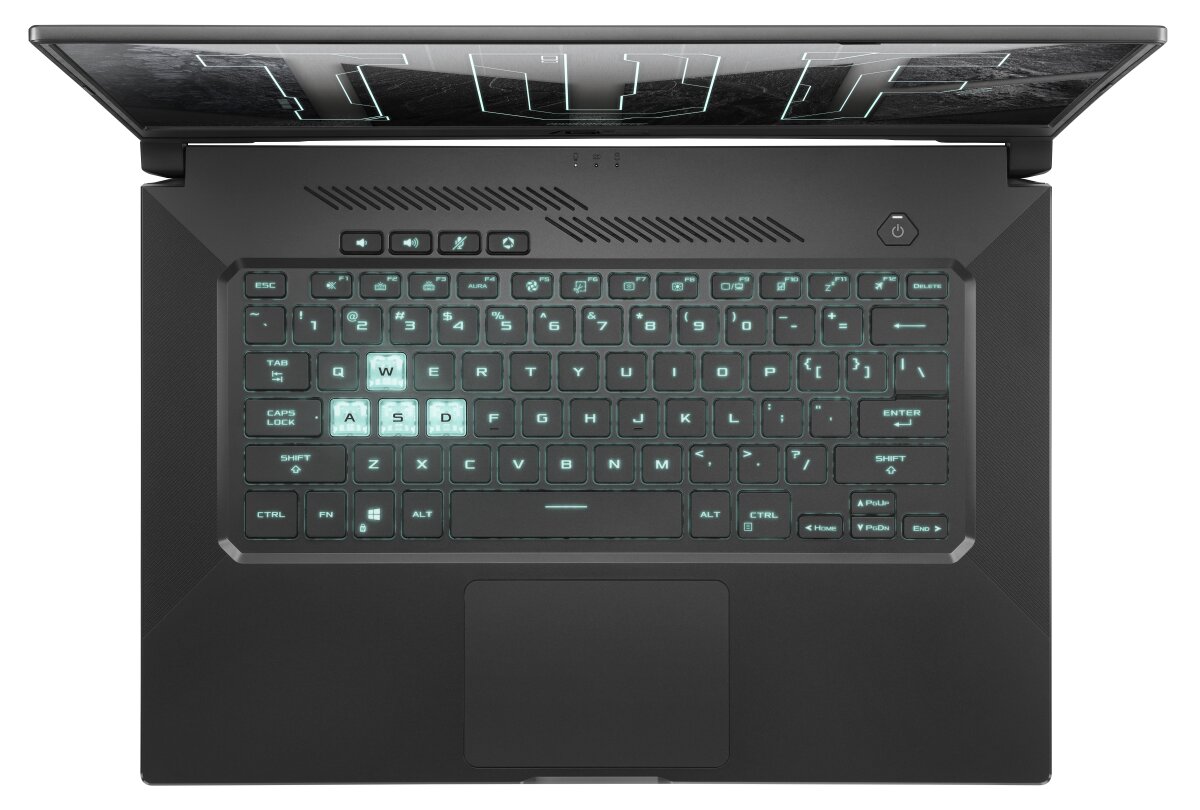



ASUS TUF Dash F15 series model TUF516PR-DB71-CA supports DDR4-SDRAM memory upgrades. The laptop features one SO-DIMM slot with maximum RAM capacity of 32 GB. Memory specifications include 3200 MHz frequency and on-board plus SO-DIMM configuration. Compatible upgrade modules must match DDR4-SDRAM specifications for optimal performance. The single upgrade slot allows users to increase overall memory capacity beyond pre-installed on-board RAM configurations.
Memory Upgrade Specifications
| Specification | Value |
|---|---|
| Memory slots | 1x SO-DIMM |
| Form factor | On-board + SO-DIMM |
| Memory type | DDR4-SDRAM |
| Frequency | 3200 MHz |
| Maximum RAM | 32 GB |
| Voltage | 1.2V |
| Number of pins | 260-pin |
| Interface | PC4 |
| PC Speed Rating | PC4-3200 (PC4-25600) |
| Bandwidth | 25.6 GB/s |
| Laptop Release date | 04 October 2021 |
Additional Notes
- The presence of on board memory means a portion of the total system RAM is non removable and cannot be replaced if a module failure occurs.
- Operating in dual channel mode requires matching the density of the single SO DIMM slot with the soldered capacity to ensure optimal memory controller bandwidth.
- The ASUS TUF Dash TUF516PR-DB71-CA uses a hybrid architecture where exceeding the total 32 GB threshold will result in the system failing to POST or downclocking the memory frequency.
- Single slot availability restricts memory expansion to a one time replacement of the existing module rather than adding a second module.
- Matching the 3200 MHz frequency is critical because the system BIOS lacks XMP support to overclock slower modules or stabilize aggressive sub timings.
- Physical access to the SO DIMM slot involves removing the entire bottom chassis cover which exposes internal components to potential electrostatic discharge risks.
- Any memory capacity installed beyond the synchronous dual channel limit will operate in single channel mode via Intel Flex Memory technology resulting in lower performance for the overflow block.