ASUS TUF Dash TUF516PR-DS77-WH RAM upgrade specifications



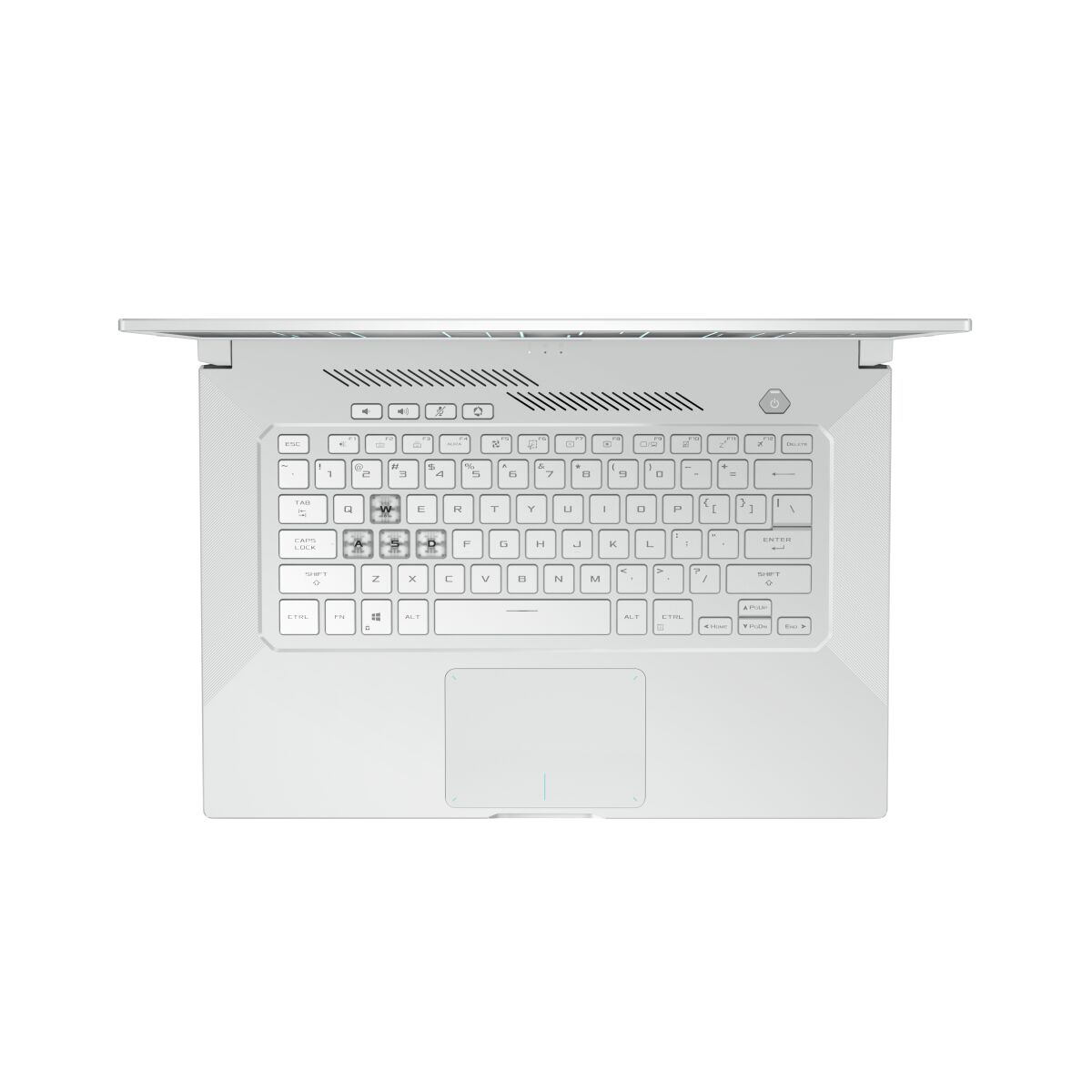
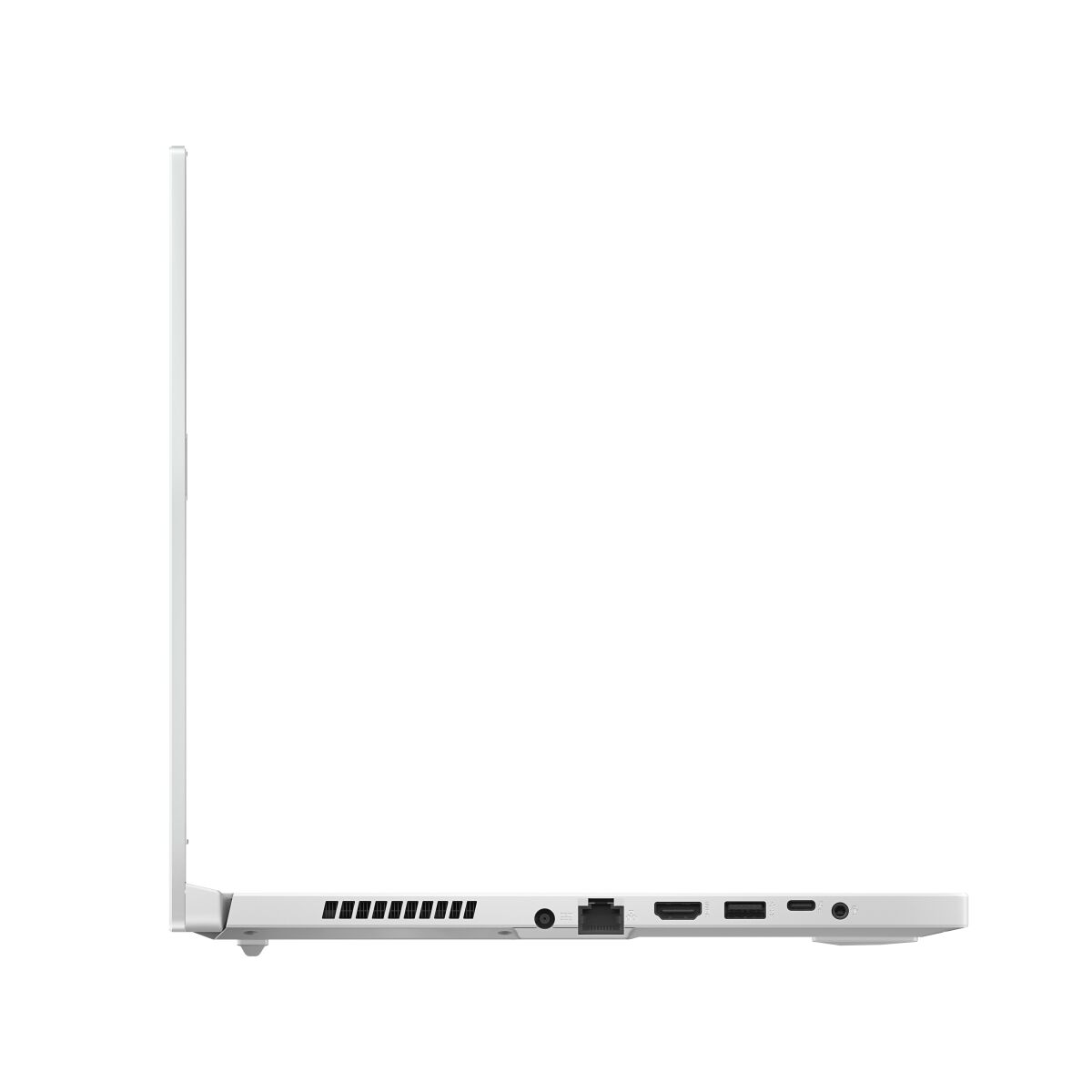
ASUS TUF Dash F15 TUF516PR-DS77-WH RAM upgrade specifications include DDR4-SDRAM memory operating at 3200 MHz. The laptop features one SO-DIMM slot for memory expansion, with on-board memory configuration. Maximum compatible RAM capacity reaches 32 GB, enabling users to enhance system performance through memory module replacement or addition within the available upgrade slot.
Memory Upgrade Specifications
| Specification | Value |
|---|---|
| Memory slots | 1x SO-DIMM |
| Form factor | On-board + SO-DIMM |
| Memory type | DDR4-SDRAM |
| Frequency | 3200 MHz |
| Maximum RAM | 32 GB |
| Voltage | 1.2V |
| Number of pins | 260-pin |
| Interface | PC4 |
| PC Speed Rating | PC4-3200 (PC4-25600) |
| Bandwidth | 25.6 GB/s |
| Laptop Release date | 25 February 2021 |
Additional Notes
- The single SO-DIMM slot configuration with onboard memory creates an asymmetric dual-channel architecture where both channels must run at the speed of the slower module to maintain stability.
- The 32 GB maximum capacity suggests 16 GB is soldered permanently, limiting the accessible slot to a maximum 16 GB module for full capacity utilization.
- DDR4-3200 represents the JEDEC standard speed, though actual performance depends on whether XMP profiles can be enabled without voiding coverage terms.
- Mixing modules with different densities or timings between the soldered and socketed memory creates potential latency penalties in interleaved access patterns.
- The ASUS TUF Dash TUF516PR-DS77-WH's hybrid memory architecture prevents complete memory replacement, meaning the soldered component's specifications permanently define baseline performance characteristics.
- SO-DIMM installation requires verifying the module height does not exceed the chassis clearance, particularly with heat spreader designs that add vertical dimension.
- The 3200 MHz specification indicates PC4-25600 bandwidth, though mixing this with slower rated modules will downclock the entire memory subsystem.
- Thermal throttling becomes relevant when the single upgradeable slot reaches higher capacities, as heat dissipation relies on limited airflow in compact gaming chassis designs.
- Single-rank versus dual-rank architecture on the replacement module affects interleaving efficiency with the unknown rank configuration of the soldered memory.
- Warranty preservation requires avoiding physical damage to the SO-DIMM slot retention clips during installation, as these plastic components fracture under excessive lateral force.
- The onboard memory cannot be diagnosed or replaced independently, making the soldered component a permanent single point of failure for half the memory subsystem.