ASUS TUF Dash TUF517ZE-HN051 RAM upgrade specifications


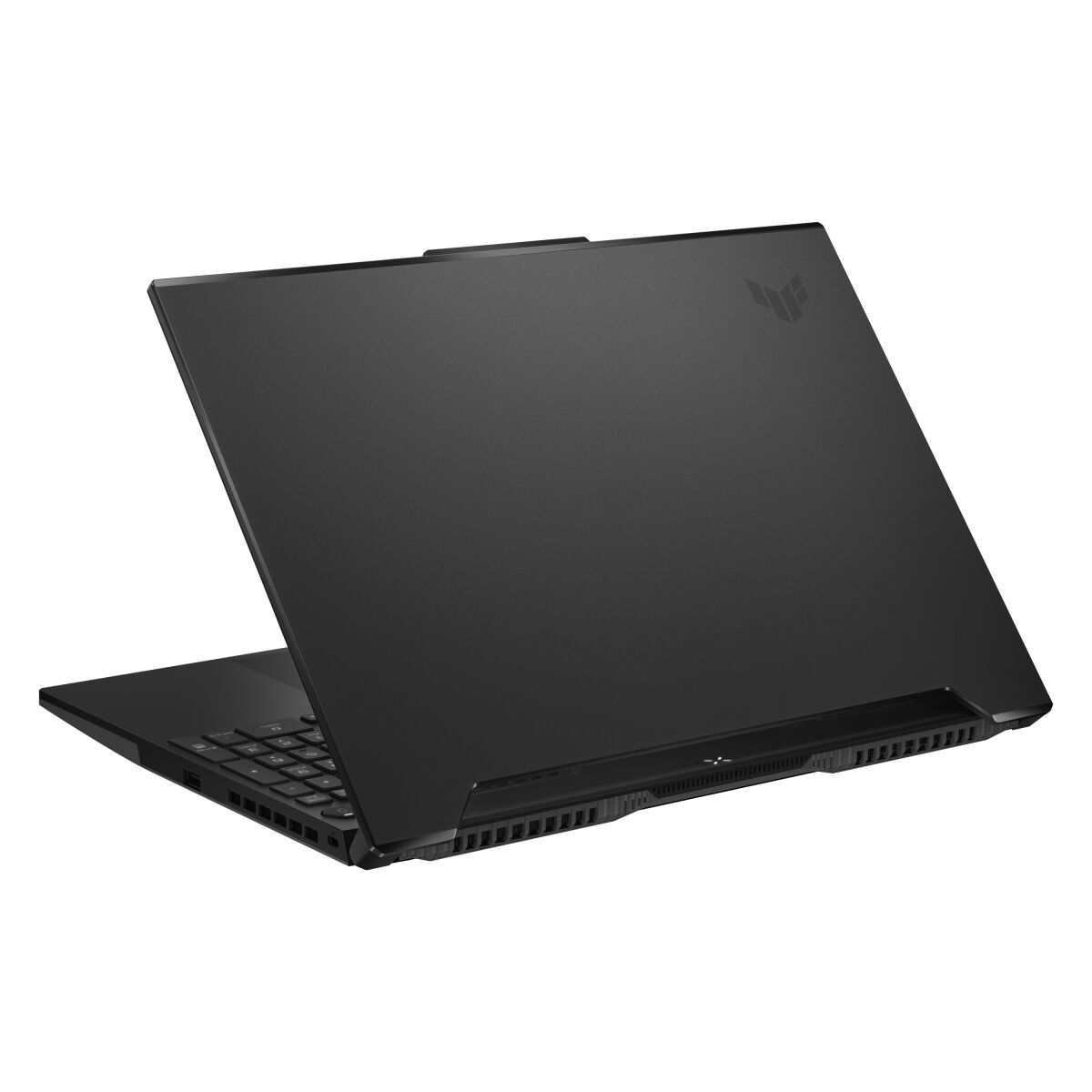


ASUS TUF Dash F15 model TUF517ZE-HN051 supports DDR5-SDRAM memory upgrades with two SO-DIMM slots. Maximum RAM capacity reaches 32 GB total. Compatible memory operates at 4800 MHz frequency. Specifications indicate SO-DIMM form factor for upgrade modules. Current memory configuration allows for expansion within maximum capacity limits. RAM upgrade slots accommodate standard DDR5 SO-DIMM modules meeting specifications outlined for TUF Dash F15 series compatibility.
Memory Upgrade Specifications
| Specification | Value |
|---|---|
| Memory slots | 2x SO-DIMM |
| Form factor | SO-DIMM |
| Memory type | DDR5-SDRAM |
| Frequency | 4800 MHz |
| Maximum RAM | 32 GB |
| Voltage | 1.1V |
| Number of pins | 262-pin |
| Interface | PC5 |
| PC Speed Rating | PC5-4800 (PC5-38400) |
| Bandwidth | 38.4 GB/s |
| Laptop Release date | 08 April 2022 |
Additional Notes
- The ASUS TUF Dash TUF517ZE-HN051 operates on a DDR5 platform, which prevents the use of any DDR4 modules due to incompatible physical notch positioning and voltage requirements.
- The 32 GB ceiling reflects a chipset or board-level limitation rather than a DDR5 theoretical maximum, restricting configurations to either 2x16 GB or a single 32 GB module if only one slot is populated.
- DDR5 architecture requires on-die ECC functionality in all modules, meaning third-party replacements must include this feature to maintain system stability regardless of marketing labels.
- The 4800 MHz specification represents the JEDEC baseline speed for DDR5, indicating the system will downclock faster modules to this frequency unless XMP/EXPO profiles are supported and enabled in BIOS.
- SO-DIMM packaging demands verification of module height clearance beneath the keyboard assembly, as some high-density aftermarket kits exceed the internal z-height tolerance of compact laptop chassis.
- Dual-channel population requires matched module ranks and density for optimal interleaving, as mixing asymmetric capacities forces the controller into flex mode with reduced bandwidth on the larger module.
- DDR5's dual-channel-per-module design means each SO-DIMM operates two independent 32-bit channels, making single-slot configurations less penalizing than with DDR4 but still suboptimal for integrated graphics workloads.
- Voltage regulation occurs on the DDR5 module itself rather than the motherboard, so replacing RAM with components from non-tier-one manufacturers may introduce power delivery inconsistencies under sustained loads.
- Warranty preservation typically requires non-destructive installation, meaning upgrades should avoid breaking factory seals on compartments unrelated to the designated RAM access panel.
- The 4800 MHz baseline yields approximately 38.4 GB/s theoretical bandwidth per module in dual-channel mode, though real-world throughput depends heavily on latency timings not specified in the base frequency rating.