ASUS TUF Dash TUF517ZC-DS51-CA RAM upgrade specifications
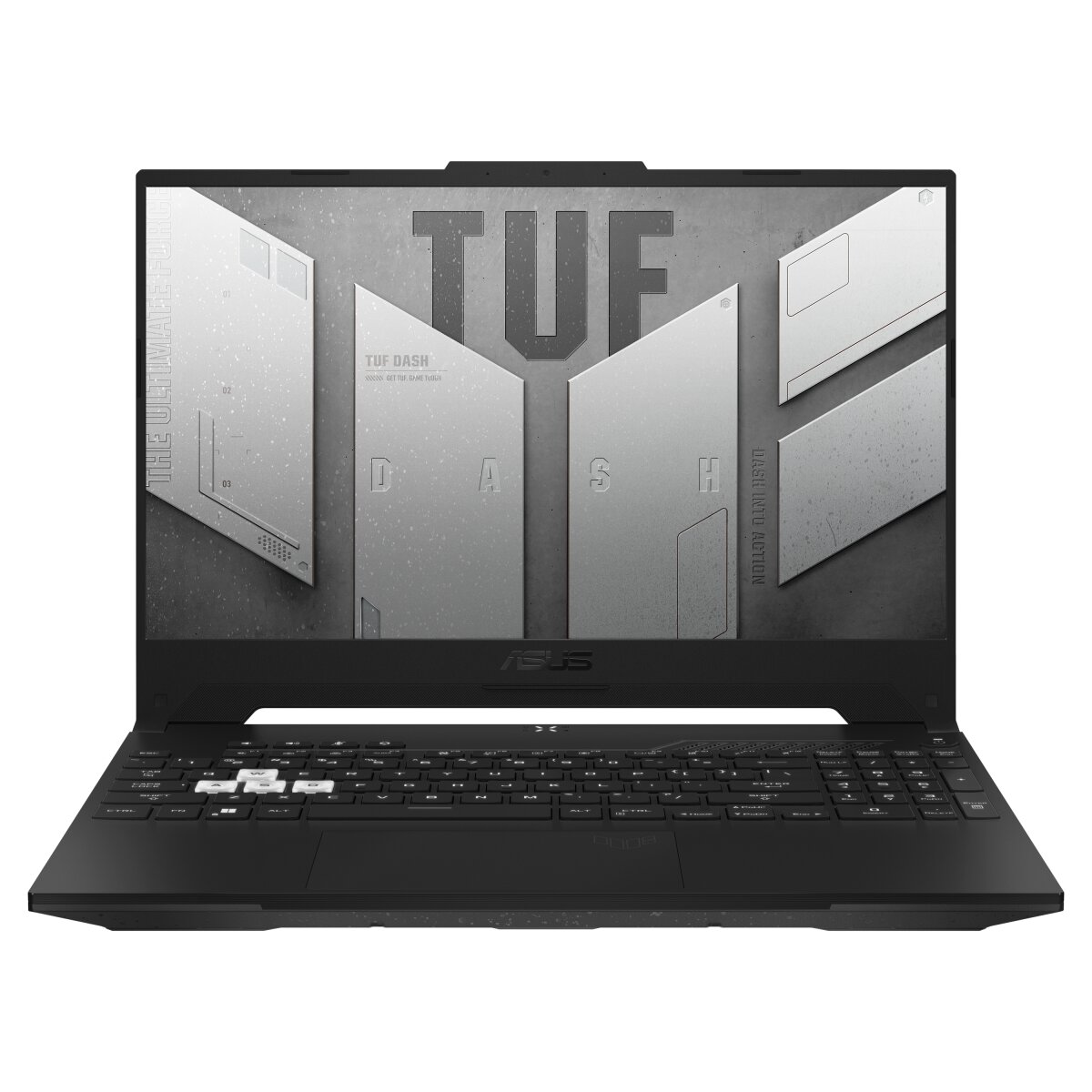

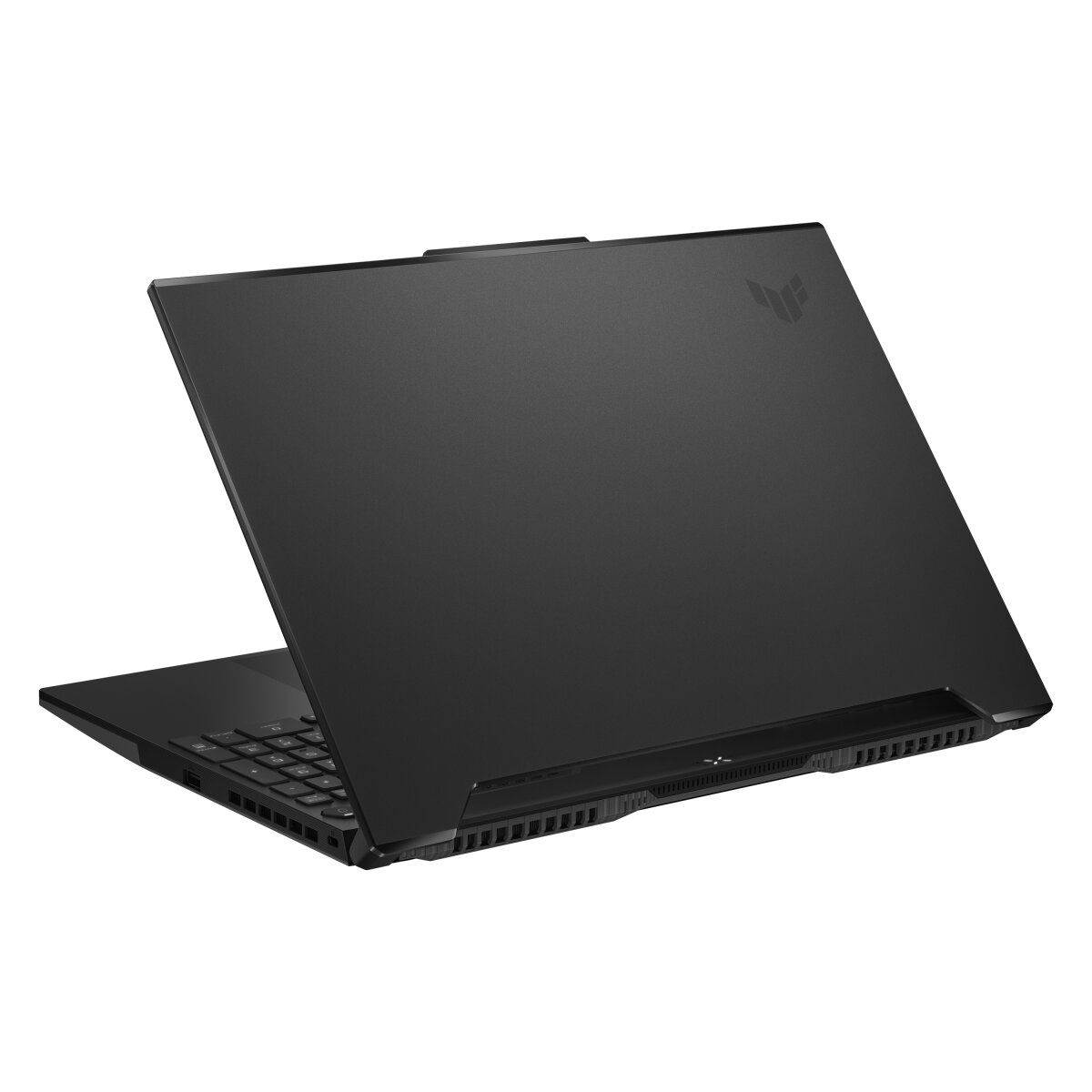


ASUS TUF Dash F15 Series model TUF517ZC-DS51-CA supports DDR5-SDRAM memory upgrades. The laptop features 2x SO-DIMM slots for RAM expansion, accommodating a maximum capacity of 32 GB total memory. Compatible memory modules operate at 4800 MHz frequency and utilize the SO-DIMM form factor. Specifications indicate upgrade capability through standard dual-channel memory configuration.
Memory Upgrade Specifications
| Specification | Value |
|---|---|
| Memory slots | 2x SO-DIMM |
| Form factor | SO-DIMM |
| Memory type | DDR5-SDRAM |
| Frequency | 4800 MHz |
| Maximum RAM | 32 GB |
| Voltage | 1.1V |
| Number of pins | 262-pin |
| Interface | PC5 |
| PC Speed Rating | PC5-4800 (PC5-38400) |
| Bandwidth | 38.4 GB/s |
| Laptop Release date | 15 June 2022 |
Additional Notes
- The dual-channel architecture utilizes 2 slots to spread data transfers across two 64-bit buses, which doubles the effective peak bandwidth compared to a single-module configuration.
- Upgrading the ASUS TUF Dash TUF517ZC-DS51-CA to 32 GB requires the physical removal of existing modules because the system lacks empty expansion bays.
- The DDR5 architecture incorporates on-die ECC and integrated power management circuits directly on the module, which shifts voltage regulation away from the motherboard to improve power efficiency.
- Installation of memory modules with frequencies exceeding 4800 MHz results in automatic downclocking to match the hard-coded limits of the integrated memory controller.
- Accessing the SO-DIMM slots involves removing the base panel, which allows for hardware maintenance without voiding the standard manufacturer warranty as long as no internal components suffer physical damage.
- The transition to 4800 MHz DDR5 technology introduces significantly higher CAS latency compared to previous DDR4 generations, though this is offset by increased burst lengths and improved sub-channel efficiency.
- System stability depends on using matched pairs of modules to ensure identical timings and voltage requirements across both memory channels.